As a financially savvy homeowner, you don’t just make your remodeling decisions based on upfront costs. You think about what the cost per year of use will look like, as well as the cost of maintenance. You’re not interested in spending thousands of dollars on something that you’ll need to replace or repair in a decade or less.
At ZINTEX Remodeling Group, we specialize in acrylic showers and tubs because we believe in modern acrylic. That said, we understand that tile is still an appealing material due to its classic style and design versatility. Today, we’re going to compare the year-over-year cost of acrylic vs. tile showers. Read on to learn:
- Acrylic vs. Tile Shower Costs (Upfront)
- Acrylic vs. Tile Shower Costs (Year Over Year)
- Tile vs. Acrylic Maintenance Costs
- Water Damage and Mold Remediation Costs
How Much Do Acrylic vs. Tile Showers Cost Upfront?
As we compare the cost of tile and acrylic showers, we’re looking specifically at professionally designed and installed shower systems. Cheap or DIY alternatives are more likely to develop problems early due to quality or installation errors, so we’re leaving them out of this analysis.
On average, acrylic showers will cost between $11,000-$22,000+, while tile showers will cost between $11,000-$30,000.
|
Shower Type |
Material Cost Range |
Labor and Additional Costs |
|
Acrylic |
$8,000-$15,000 |
$3,000-$7,000+ |
|
Tile |
$4,000-$20,000 |
$4,000-$10,000 |
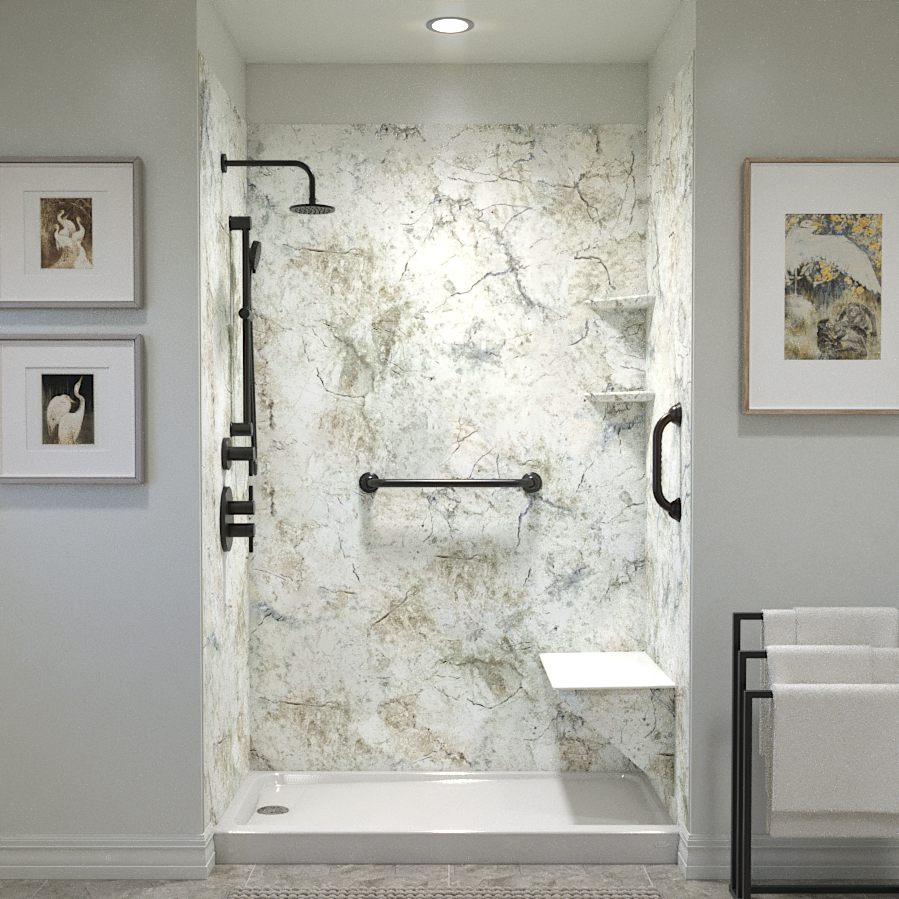
On the low end of both price ranges, you’re looking at basic materials (e.g., white acrylic panels or ceramic tile) and fewer customizations. On the high end of both price ranges, you’re looking at premium materials (e.g., Champagne Travertine acrylic panels or natural stone tile) and custom accessories and designs.
Tile tends to cost more overall because it involves more materials per square foot and the installation takes longer to complete. Because there is such a wide range of tile to choose from, you’ll also see a bigger price range when designing a tile shower.
What Is the Cost Per Years of Use of Tile vs. Acrylic Showers?
When you’re investing in your home, you want to know that your investment will last. Comparing upfront shower remodel prices can be useful, but it’s also important to compare those prices based on the length of time you’ll be able to enjoy that shower before having to replace it.
Acrylic showers predictably last 15-20 years on average before homeowners decide to replace them. Tile is a little less predictable because the waterproofing system requires more hands-on maintenance (which we’ll discuss below). As a result, some homeowners are replacing tile showers in as little as 10 years, while others might get up to 25 years of use.
|
Shower Type |
Average Lifespan |
Cost Per Year of Use* |
|
Acrylic |
15-20 years |
$825-$1,100 |
|
Tile |
10-25 years |
$820-$2,050 |
*The cost per year of use was calculated using the median cost of each material: $16,500 for acrylic showers and $20,500 for tile
Acrylic vs. Tile Maintenance Needs and Cost
Your upfront cost is not the only thing you’ll need to consider when preparing for long-term costs. To get the most out of your new shower, you’ll need to invest in as-needed maintenance–and there are potential pros and cons to both acrylic and tile in this category.
Acrylic is much easier (and marginally cheaper) to clean than tile. You can keep your acrylic shower clean with cheap household ingredients like distilled white vinegar or dish soap. With no exposed grout lines, you won’t need any specialty cleaning supplies or sealants. Acrylic is durable and difficult to crack. That said, if an acrylic wall panel does crack, you’ll have to replace the entire panel.
|
Shower Type |
Maintenance Pros |
Maintenance Cons |
Acrylic |
✅Easy to clean with no specialty supplies needed ✅100% waterproof ✅No resealing or regrouting necessary ✅Difficult to crack or damage |
❌Caustic chemicals or abrasive cleaners could cause mild surface damage or discoloration ❌Will require full panel replacement if the acrylic cracks or otherwise breaks |
Tile |
✅Easy to clean individual tiles ✅Easy to replace damaged tiles as needed |
❌Grout requires a lot of elbow grease to clean and frequent resealing ❌Grout and tile are not a 100% waterproof system and can cause water damage and mold growth |
Tile does require some specialty products to keep clean, even if you use an all purpose cleaner for the tile itself. Plus, you’ll need to reseal your grout lines a minimum of every seven years to prevent water from seeping behind your tile walls, where it will cause water damage and mold growth. If individual tiles crack or become loose, you can often get away with replacing only the affected tiles, which is cheaper than replacing a an acrylic wall panel.
The Cost of Water and Mold Remediation
There is one potential long-term cost that can’t be predicted from the outset, and that’s water damage and/or mold remediation. If the waterproofing system in your shower breaks down, you won’t just need to pay for a new shower. You’ll also need to pay to:
- Replace rotted support beams and subflooring
- Remove any structural materials that have mold growth
- Kill all remaining mold
Many companies, ZINTEX included, will include these kinds of repairs in the total cost of your shower remodel. However, other companies may require you to hire mold professionals for severe mold growth, which will cost an average of $1,200-$3,700.
Because acrylic is a solid, non-porous material that requires only a handful of exposed seams, it is excellent at containing water with minimal upkeep.
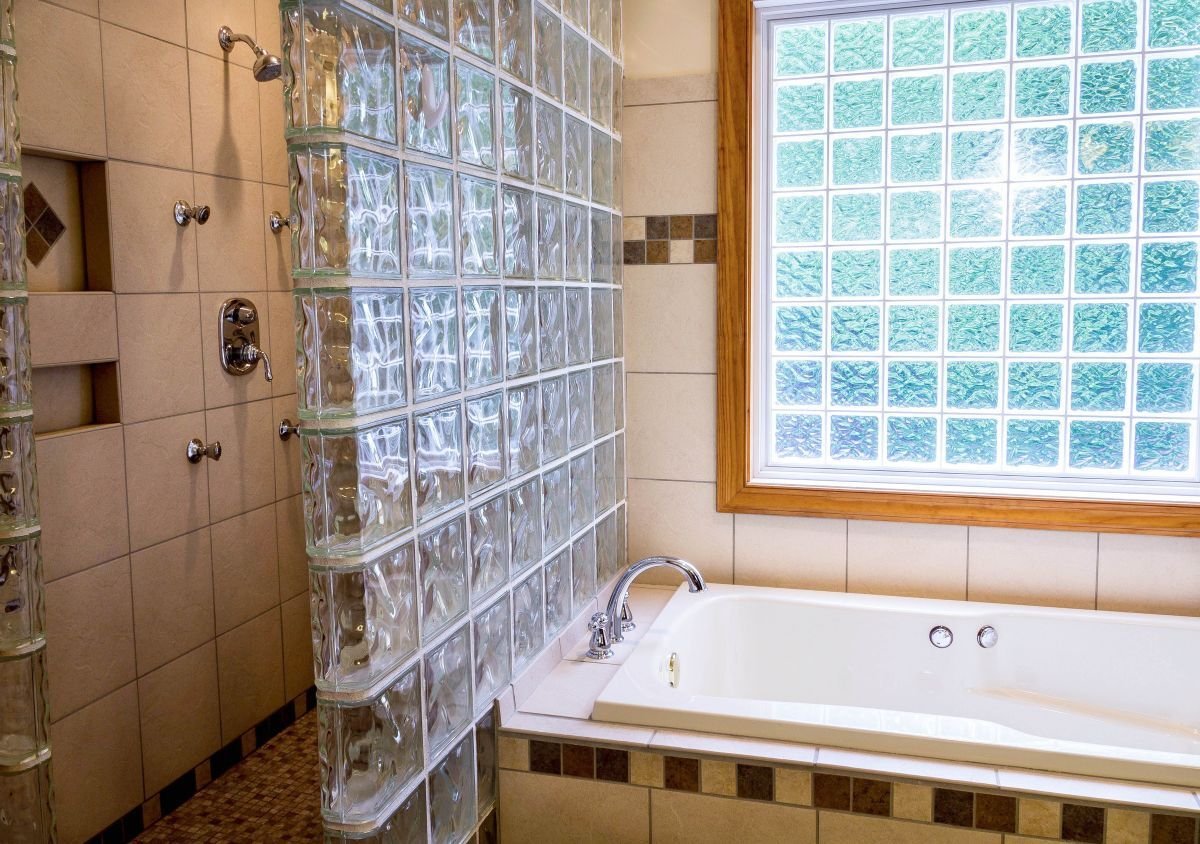
Tile, and the other hand, creates a grid of exposed grout. Grout is extremely porous, and without frequent resealing, it will start to absorb moisture, allowing it to enter the space behind the tile. This is why you’ll see so many tile showers with mold and mildew growing along the grout lines.
Learn More About ZINTEX Acrylic Walk-In Shower Costs
Tile doesn't just have the capacity to cost more upfront. It can also cost more long-term, especially if mold growth and water damage require early remediation and shower replacement.
Does that mean acrylic is the most cost-effective shower material and the right choice for your remodel? Up next, take a look at our guide to ZINTEX acrylic walk-in shower costs.
Topics:








.png?width=1280&height=720&name=Red%20And%20Black%20Modern%20Tips%20%26%20Trick%20YouTube%20Thumbnail%20(9).png)