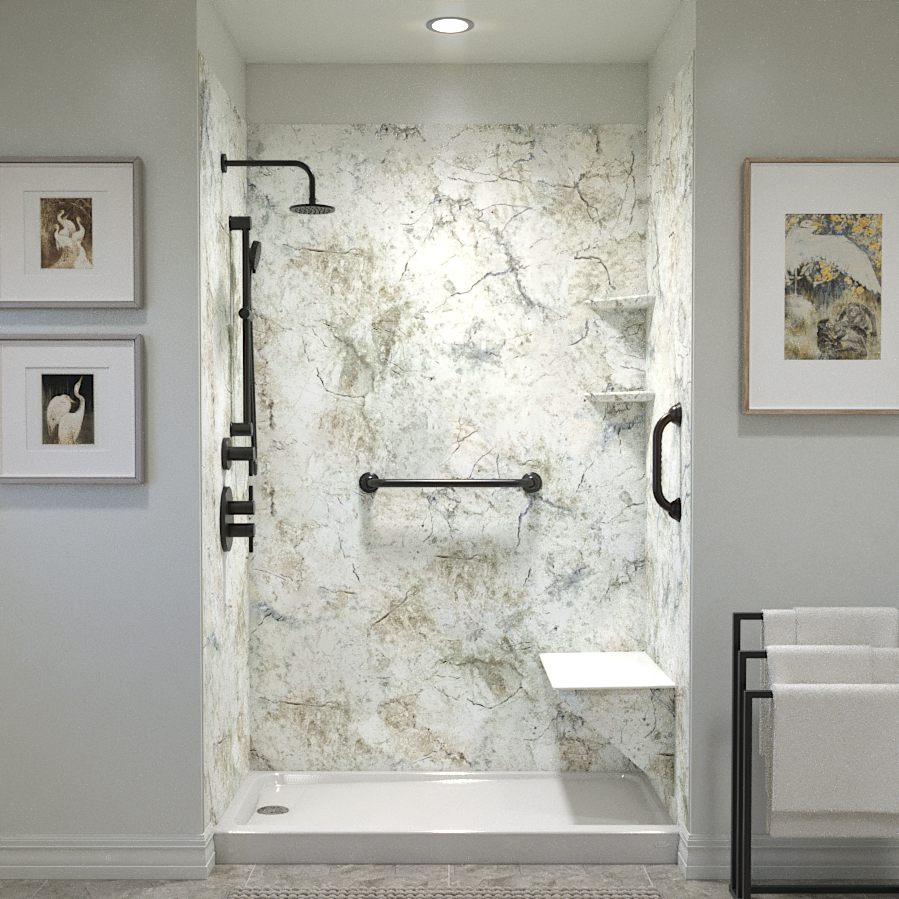
You aren’t in the market for a luxury shower made of something like quartz or marble, but you also want something nicer than a cheap shower insert kit. That means that two of your top options are going to be acrylic and fiberglass. At first glance, they might seem pretty similar, but the reality is that they couldn’t be more different. What do you need to know about acrylic vs. fiberglass to make the right choice for your bathroom?
At ZINTEX Remodeling Group, we specialize in acrylic tubs and acrylic shower panels, so we may be a little biased, but for good reason. In 25 years of bathroom remodeling, we’ve found that acrylic packs the biggest punch for the price in every category from durability to design. Read on as we share how fiberglass compares to acrylic in this guide.
Table of Contents
- Acrylic Shower and Tub Basics
- Fiberglass Shower and Tub Basics
- Acrylic vs. Fiberglass: Cost
- Acrylic vs. Fiberglass: Installation Timeline
- Acrylic vs. Fiberglass: Design Options
- Acrylic vs. Fiberglass: Durability
- Acrylic vs. Fiberglass: Maintenance
Acrylic Shower Panel 101: Basic Qualities and Uses
Acrylic shower walls are made of high-tech polymer, a non-porous material that is perfect for waterproofing a tub, shower, or tub-and-shower combo.
.jpg?width=2100&height=1484&name=JBR_Wall_MW_Carved_Stone_Midrange-2100x1484-9d930e3c-e67b-4a07-86ac-322f1341fb85%20(1).jpg)
In the past decade or so, we’ve seen a big increase in the versatility of acrylic colors, styles, and etched pattern finishes. Acrylic is easy to clean, hard to damage, and designed to last a minimum of 15 years, assuming you’re using high-quality products and have experienced installers doing the work.
Fiberglass 101: Basic Qualities and Uses
Fiberglass is a material made of reinforced plastic with a glossy gel finish. This finish is what creates a waterproof system in a fiberglass tub or shower, although it can wear down over time.
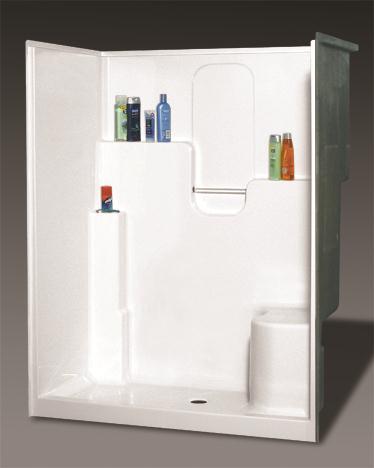
Fiberglass is generally the cheaper material, which is why you see it used in rentals, flipped properties, and vacation properties. It’s a great option if you’re working with a tight budget to renovate a bathroom that isn’t used daily.
Acrylic Shower Cost vs. Fiberglass Shower Cost
Cost is at the top of everyone’s mind when they’re planning their bathroom remodel. Cost is also the one area that fiberglass might seem more appealing at first glance.
|
Cheap Acrylic Insert Kits |
$3,000-$8,000 |
|
Quality Acrylic Tub and Shower Systems |
$11,000-$22,000+ |
|
Cheap Fiberglass Insert Kits |
$1,200-$2,500 |
|
Quality Fiberglass Tub and Shower Systems |
$3,000-$8,500 |
As you can see, even a professionally installed fiberglass tub or shower can cost around the same as an acrylic shower insert kit. However, this reflects the difference in quality, which we’ll discuss below in more detail.
Fiberglass vs. Acrylic Durability and Lifespan
There was a time when the fiberglass used in a tub or shower was considered pretty durable. The problem is that while the quality of acrylic has increased over the years, fiberglass has become a go-to for home builders and property flippers looking for a cheap option, and quality has declined.
Now, acrylic is the more durable option, with a longer lifespan and better quality throughout the years of use.
Quality acrylic is going to last 15-25 years. During that time, you’re not going to see a lot of fading, discoloration, or scratching as long as you avoid certain cleaning products. If installed correctly, it’s not going to warp.
Fiberglass is going to last about 10-15 years. During that time, the glossy gel coating will start to fade and you may notice discoloration. Because modern fiberglass is thin and brittle, it is more prone to cracking. Even with proper maintenance, fiberglass will “age” faster than acrylic.
Fiberglass vs. Acrylic Installation Timeline
The installation timeline refers primarily to the number of days needed to install your new tub or shower in your bathroom. This is the most disruptive portion of any remodel, because it means installers will need access to your home (and things can get a little loud from time to time).
Professional installation of an acrylic shower vs. a fiberglass shower is going to take about the same amount of time, which is one to three days.
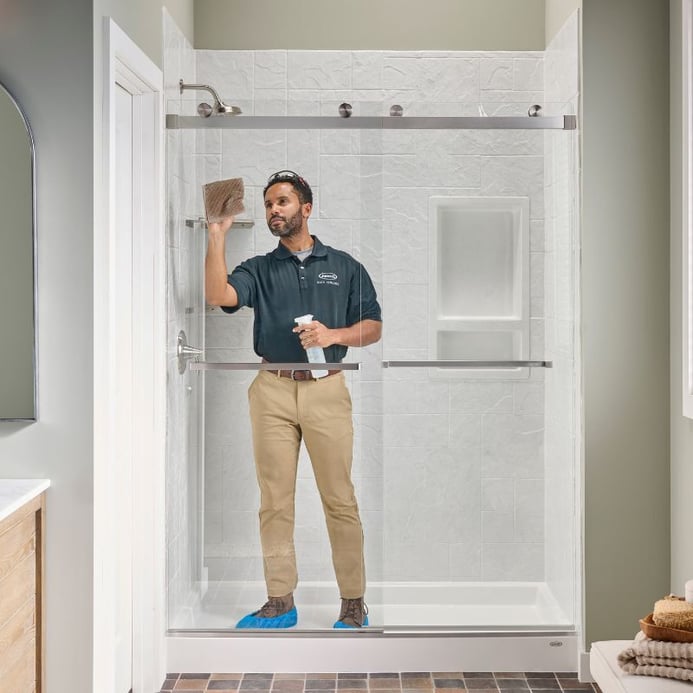
In fact, the majority of jobs can be completed in two days or less. You’re usually only looking at three days if you’re either replacing multiple showers or you need some extensive structural upgrades and repairs.
Acrylic Design Options vs. Fiberglass Design Options
If part of your objective in remodeling your tub or shower is to update the aesthetic, your design options are important. If you want a variety of colors and patterns to choose from or the freedom to customize your shower accessories, acrylic is the winner.
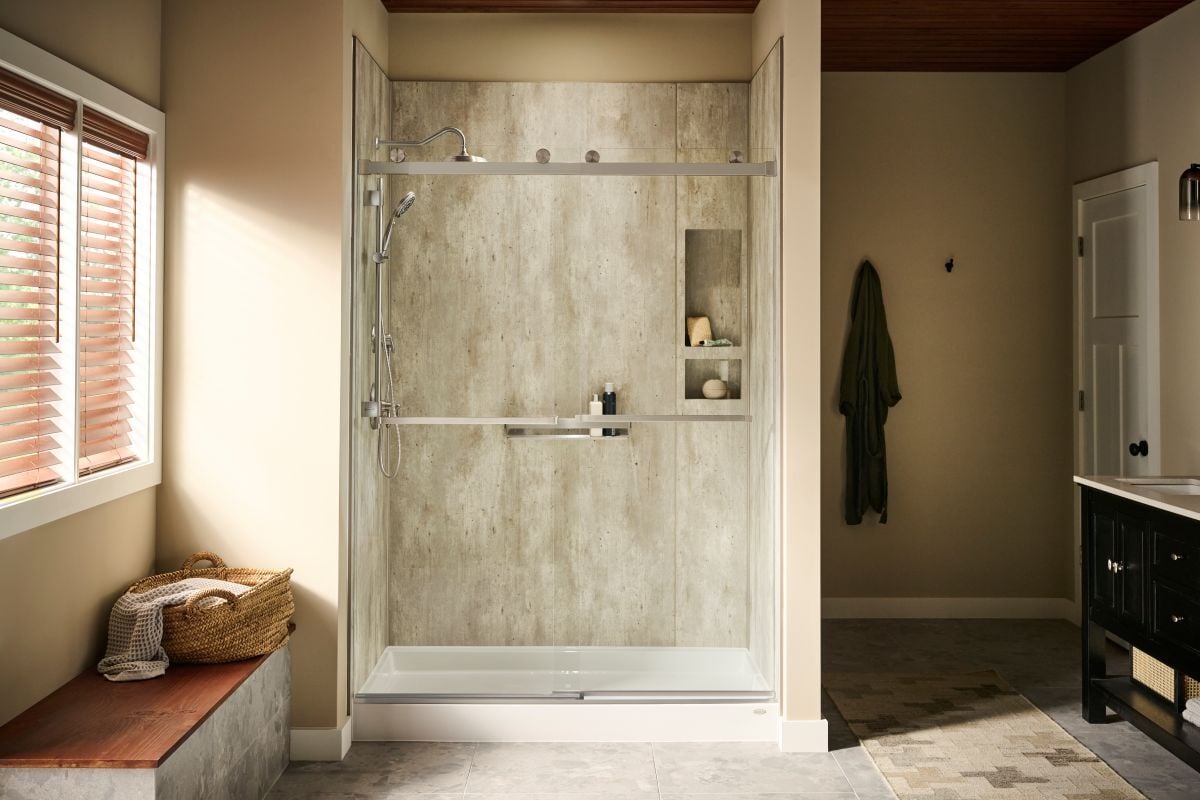
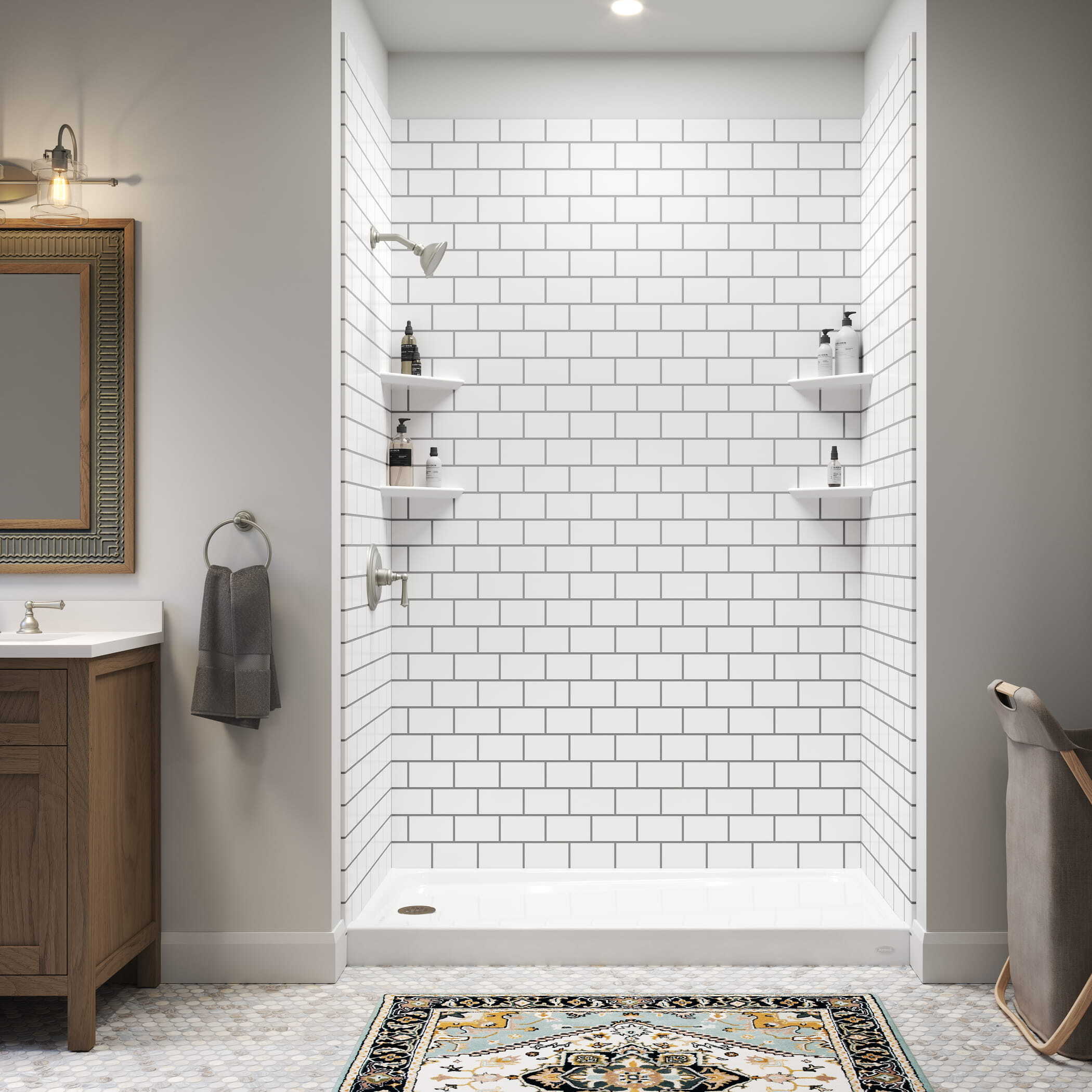
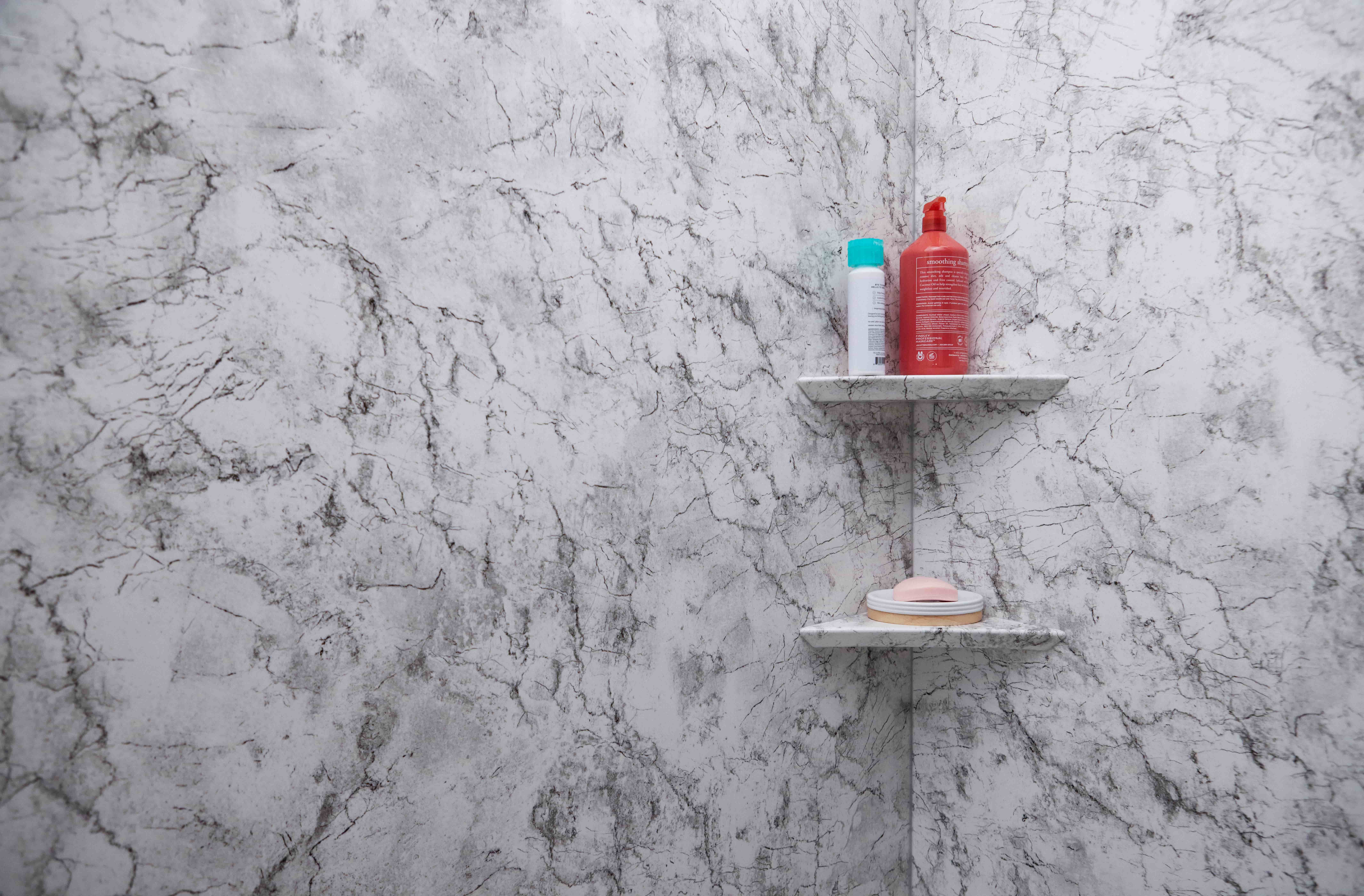
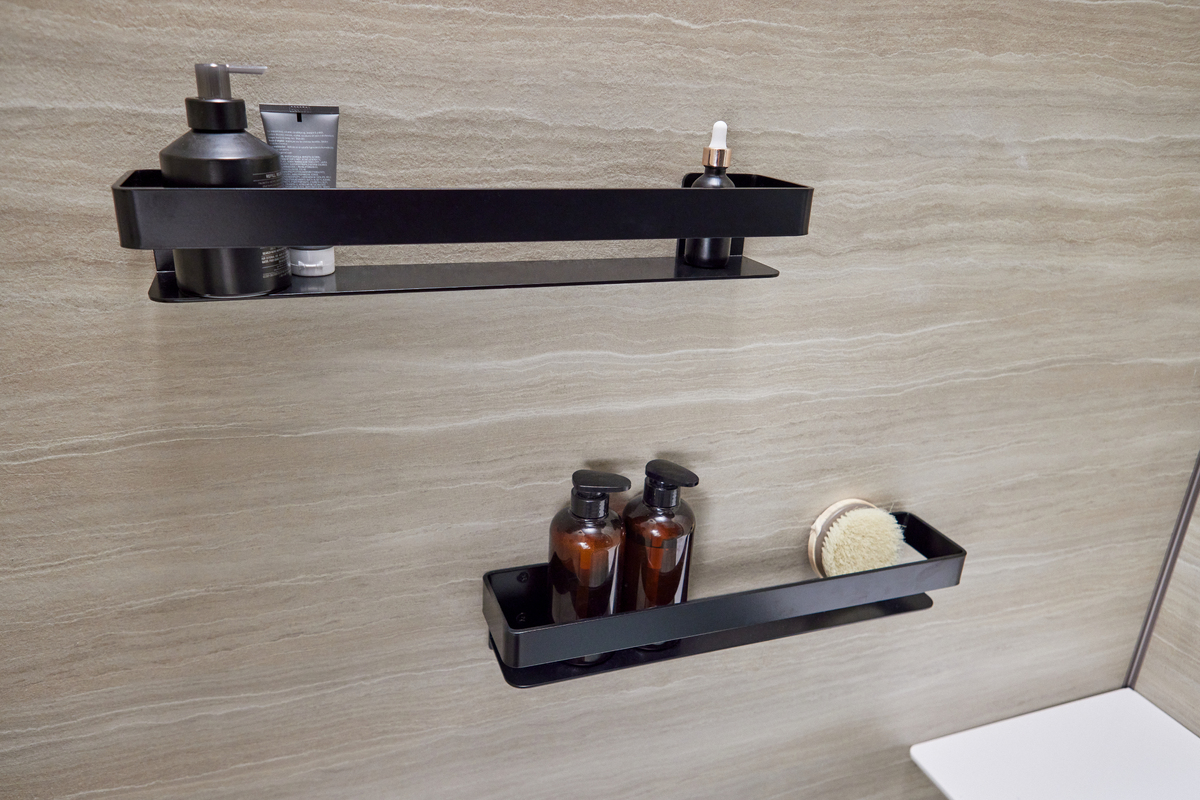
Acrylic is now available in basic colors like white or almond, but also premium designs like Midnight Storm or Champagne Travertine. You can also add etched patterns to your acrylic wall panels for a tile aesthetic. Plus, you can install grab bars, shelving, and seating at the exact height and angle that best meets your needs.
Fiberglass shower and tub systems come almost exclusively in white. While you can choose a pre-fabricated acrylic tub or shower with features like soap niches or seating, you can’t customize their style or location. This lack of versatility is one of the reasons why fiberglass tends to be cheaper than acrylic.
Acrylic Maintenance vs. Fiberglass Maintenance
When you’re thinking about the months and years after your remodel, you’re thinking about what it will take to keep your new tub or shower clean and like new. The basic of acrylic and fiberglass maintenance are comparable, but fiberglass tends to develop more problems at a faster rate.
In both cases, you can use mild cleaners and soft sponges or cloths to keep your tub and shower clean. Harsh chemicals or abrasive scrubbing tools may cause scratches or discoloration in acrylic or fiberglass.
With proper installation, acrylic is unlikely to warp or crack for up to 15 years or more. Because modern fiberglass is so thin and brittle, it has a tendency to warp or crack under sudden or repeated pressure. In as little as three years, you may notice warping in the shower base and walls.
Learn More About ZINTEX Acrylic Walls
Fiberglass is a popular material for tubs and showers, but changes in quality over the years have caused many homeowners to go in a different direction. As fiberglass has gotten thinner and cheaper, acrylic has gotten stronger, more durable, and available in more designs.
What’s next? See how acrylic stacks up compared to more popular shower materials in this guide: Best Shower Wall Materials: Is Acrylic the Best Choice?
Topics:








.png?width=1280&height=720&name=Red%20And%20Black%20Modern%20Tips%20%26%20Trick%20YouTube%20Thumbnail%20(9).png)