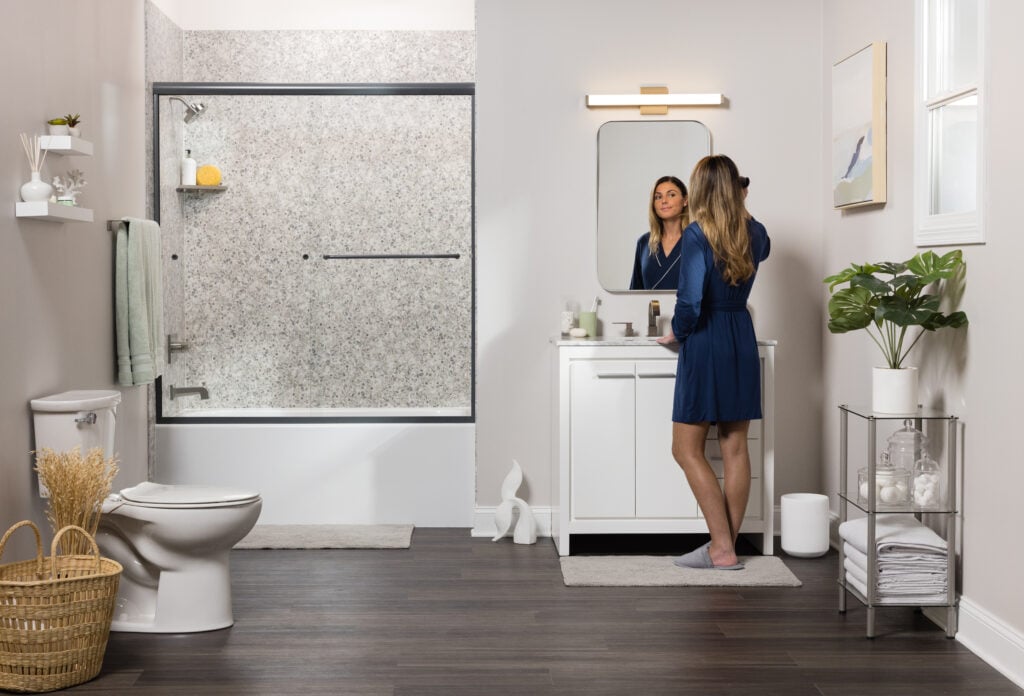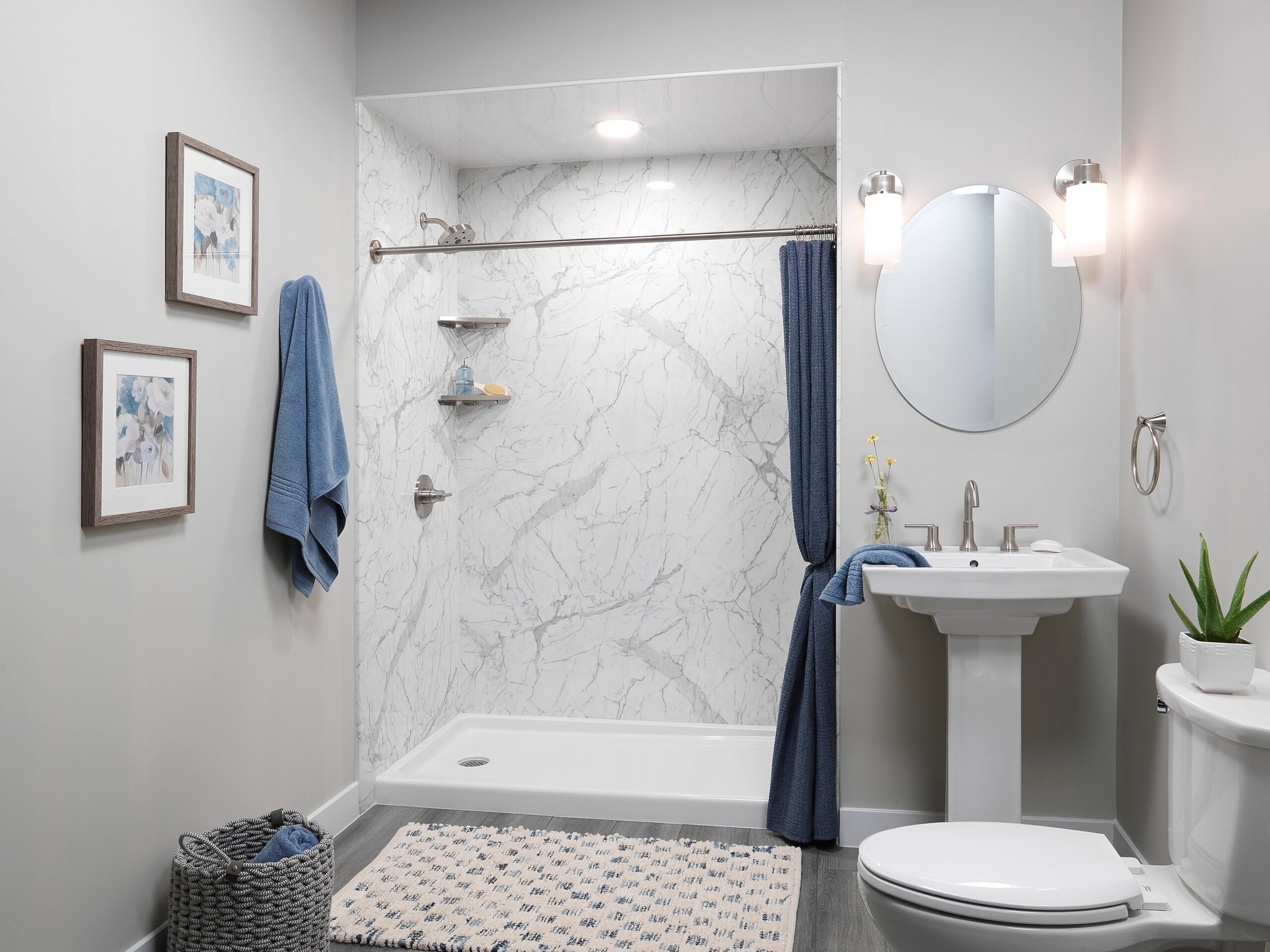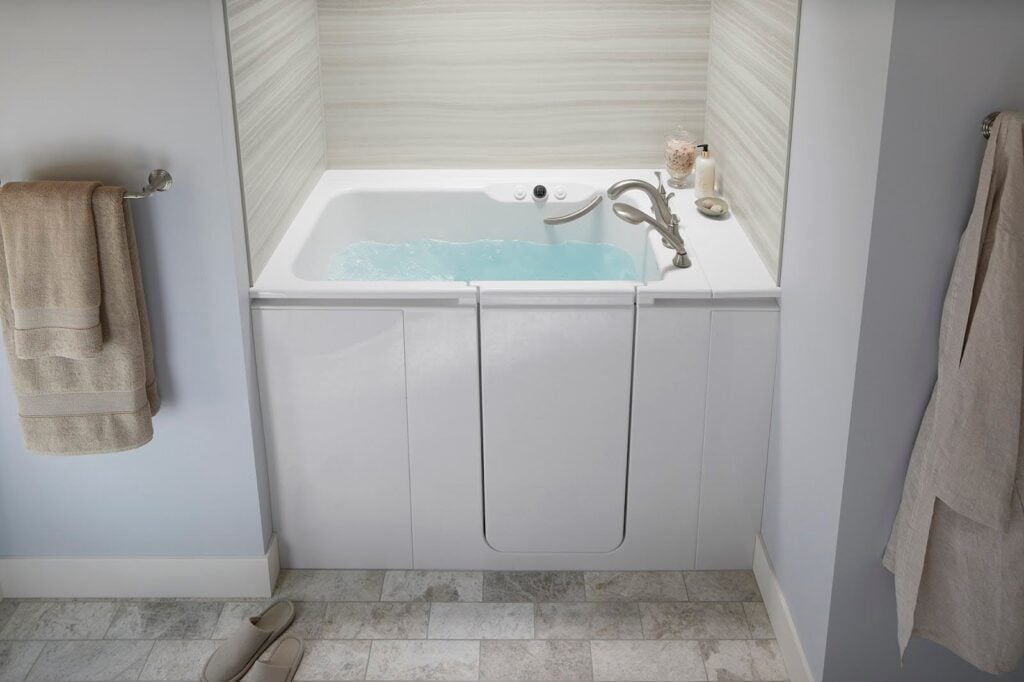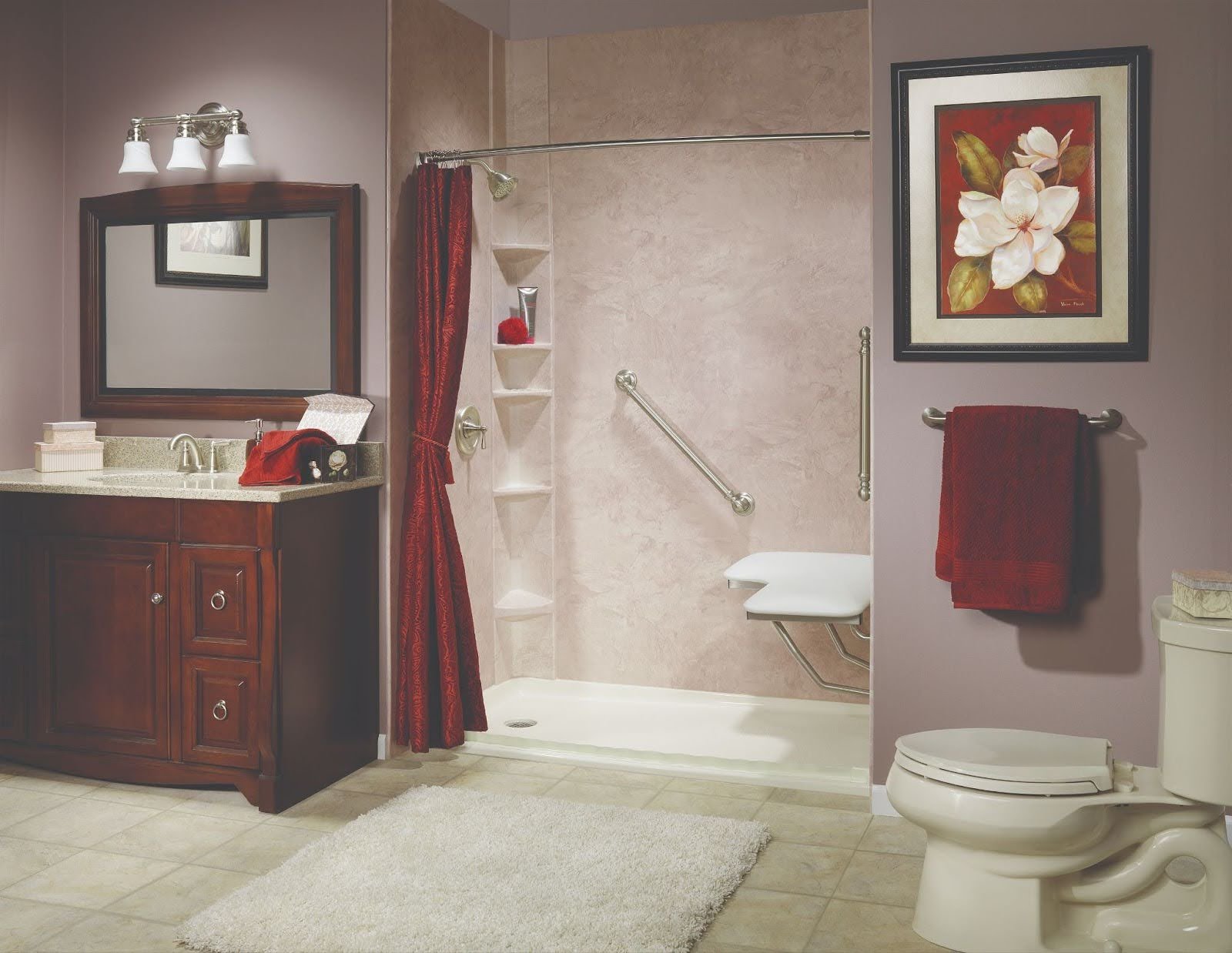
You’re pretty sure that you’re ready for an alternative to mold-prone tile, and you don’t feel like shelling out the money for natural stone. Acrylic shower walls seem to be the most popular alternative, but what is acrylic? Why is it so popular, and is it actually the right choice for you?
At ZINTEX Remodeling Group, we’re not afraid to say that after over two decades of acrylic shower installations, we’re a little biased. We specialize in acrylic because we really believe in its durability, versatility, and aesthetic. That said, that doesn’t mean it’s inherently the right choice for you. Read on for our guide to acrylic shower wall panels and what to know before you invest.
Table of Contents
- Acrylic Basics
- Acrylic Shower Benefits
- Acrylic Compared to Other Shower Materials
- Acrylic Walk-In Shower Costs
What is Acrylic?
Acrylic is a type of plastic composite material made from high-tech polymer. Acrylic shower walls are made from a high-quality thermoplastic material, often referred to as acrylic sheets or acrylic panels. Acrylic itself is derived from a polymer called polymethyl methacrylate (PMMA), which is known for its strength and resistance to impact. To give the acrylic the proper structure and durability, manufacturers reinforce it with fiberglass or other materials during the production process.
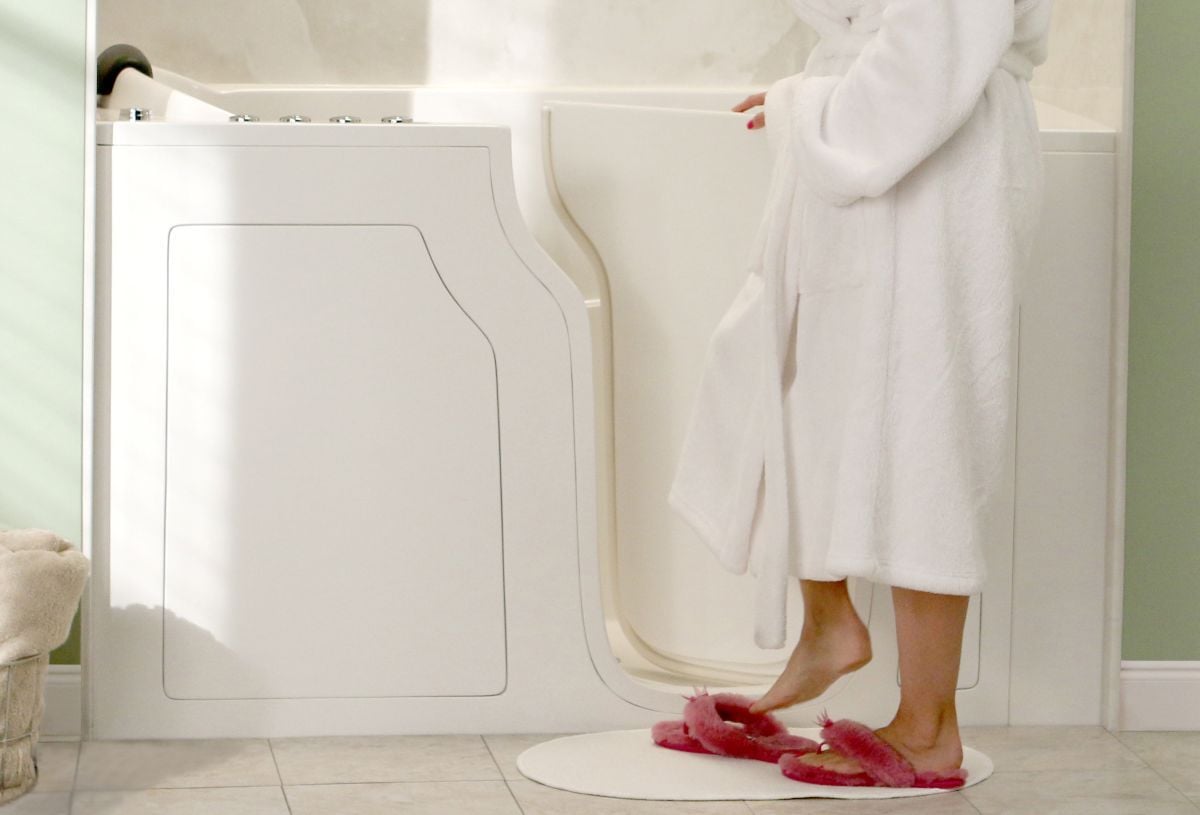
Acrylic is lightweight, resistant to cracking, and can be easily molded into various shapes and sizes, which makes it an ideal material for customized walk-in shower stalls and bathtubs. Once an acrylic wall has been shaped, reinforced, and coated, it will undergo a rigorous quality control process. During this stage, manufacturers inspect wall panels for any defects or imperfections, such as bubbles, cracks, or uneven surfaces. The panels are also tested for durability and performance, ensuring that they’re ready to be used in your walk-in shower remodel.
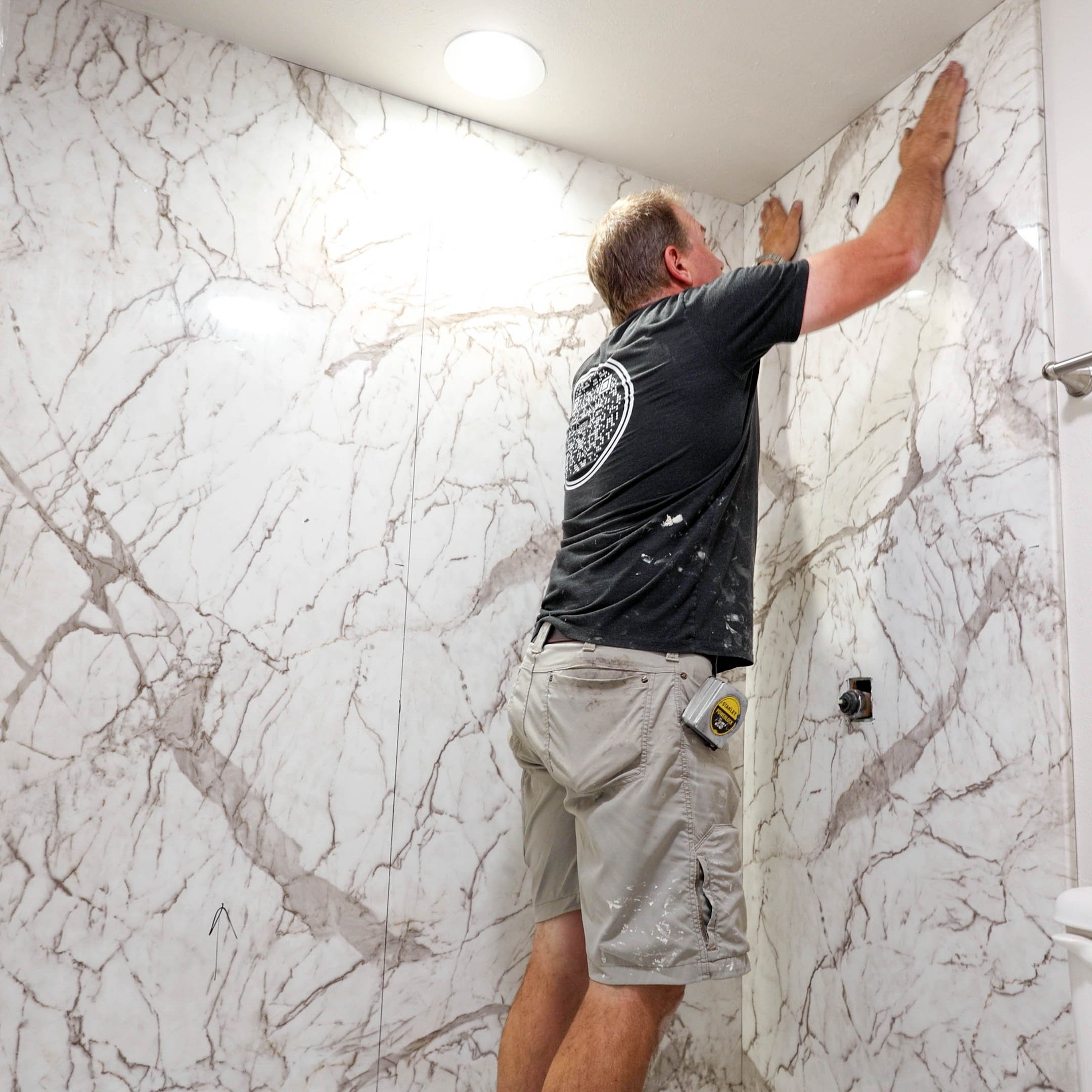
In shower applications, you’ll see acrylic shower wall panels as well as acrylic shower pans or bases. These pair perfectly with the traditional shower rod, the aesthetic glass shower door, or the modern shower enclosure.
Benefits of Acrylic Showers
Why has acrylic quickly become one of the most popular shower wall materials in modern bathrooms from Texas to Iowa and beyond? Let’s take a look at the top benefits of acrylic showers.
Durability and Longevity
Acrylic is a highly durable material, which is one of the key reasons homeowners choose it for showers. With proper upkeep (which, don’t worry, is pretty minimal), your acrylic shower can last 15-20 years before you’ll need to think about an upgrade. Unlike tile or natural stone, acrylic does not chip or crack easily. It's also resistant to fading from exposure to water, soap, and cleaning products, making it a long-term investment for your bathroom.
Low Maintenance
One of the standout features of acrylic showers is their low maintenance. Acrylic surfaces are non-porous, meaning they resist water absorption and mold or mildew growth. This 100% waterproof, non-porous surface makes cleaning a breeze, requiring only a regular wipe-down with a mild soap solution. There’s no need to scrub grout lines, as you would with tile showers.
Customization Options
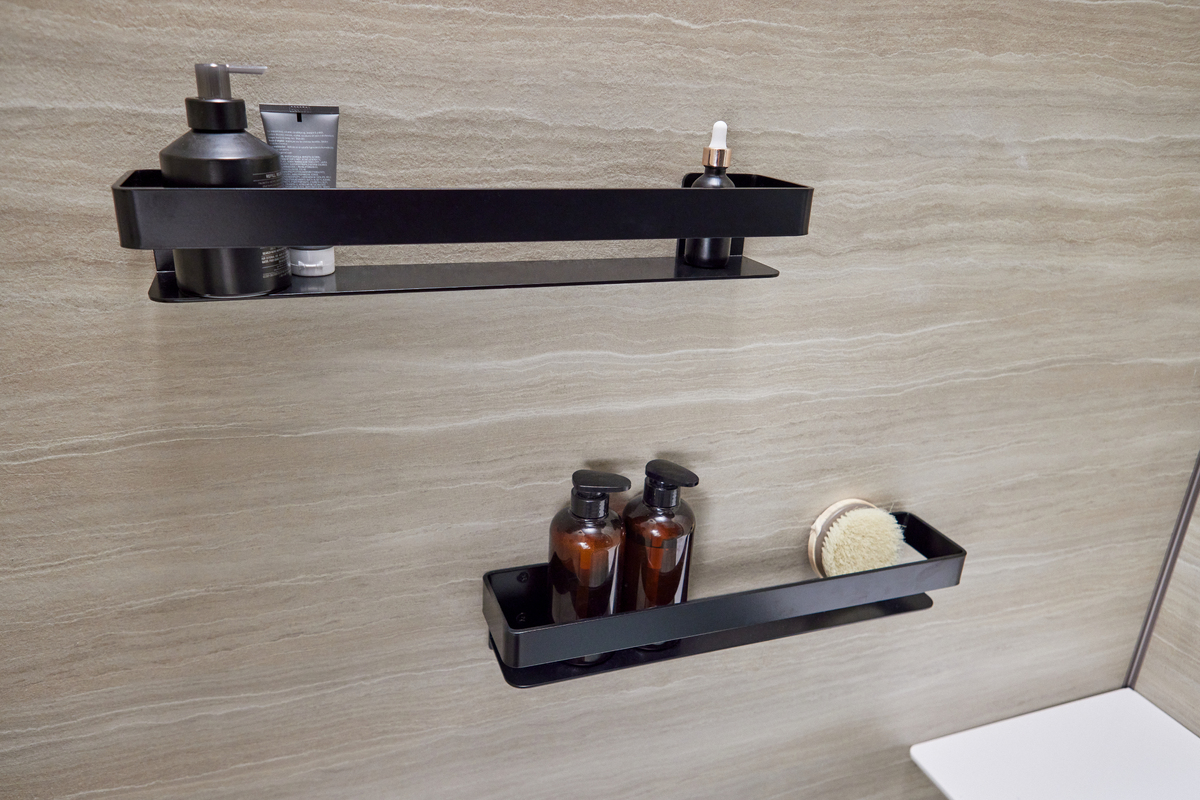
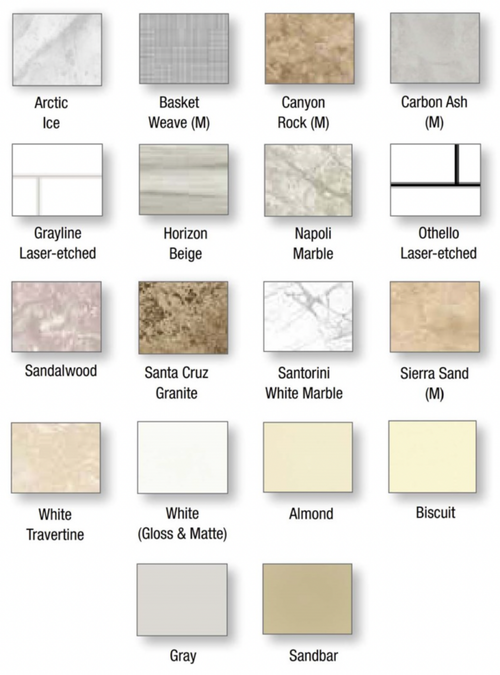
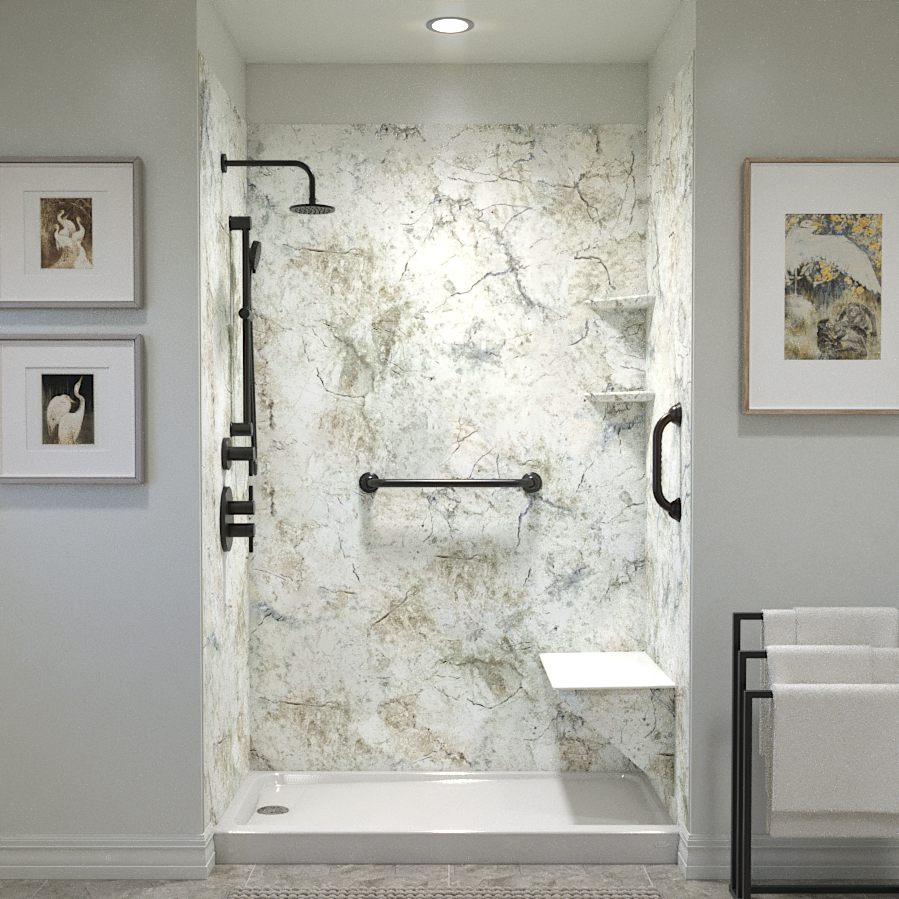
Acrylic showers come in a variety of colors, shapes, sizes, and styles to suit different bathroom designs. While a simple one-piece shower unit (available at many home improvement stores) may be difficult to retroactively customize, a professional installer can create a custom design with shelves, benches, or multiple showerheads. Plus, it’s available in various colors, textures, and finishes, so you can match it to your overall bathroom aesthetic.
Options at Every Price Point
Compared to other materials like natural stone or custom tile, acrylic showers can be more affordable, making them an excellent option for homeowners on a budget. For a simple, streamlined acrylic shower, you can expect to pay around $11,000. On the higher end with maximum customizations, you may be looking at a budget of around $24,000. The cost of materials, installation, and maintenance tends to be lower with acrylic showers, making them a great value for the money.

Quick Installation
Acrylic showers are typically easier and quicker to install compared to tile or stone options. Since acrylic is manufactured in larger panels or even one-piece units, they can be delivered and installed with fewer seams, reducing installation time to as little as one day. A professional installer can often complete an acrylic shower installation in just a few hours to a couple of days, depending on the complexity.
Variety of Designs
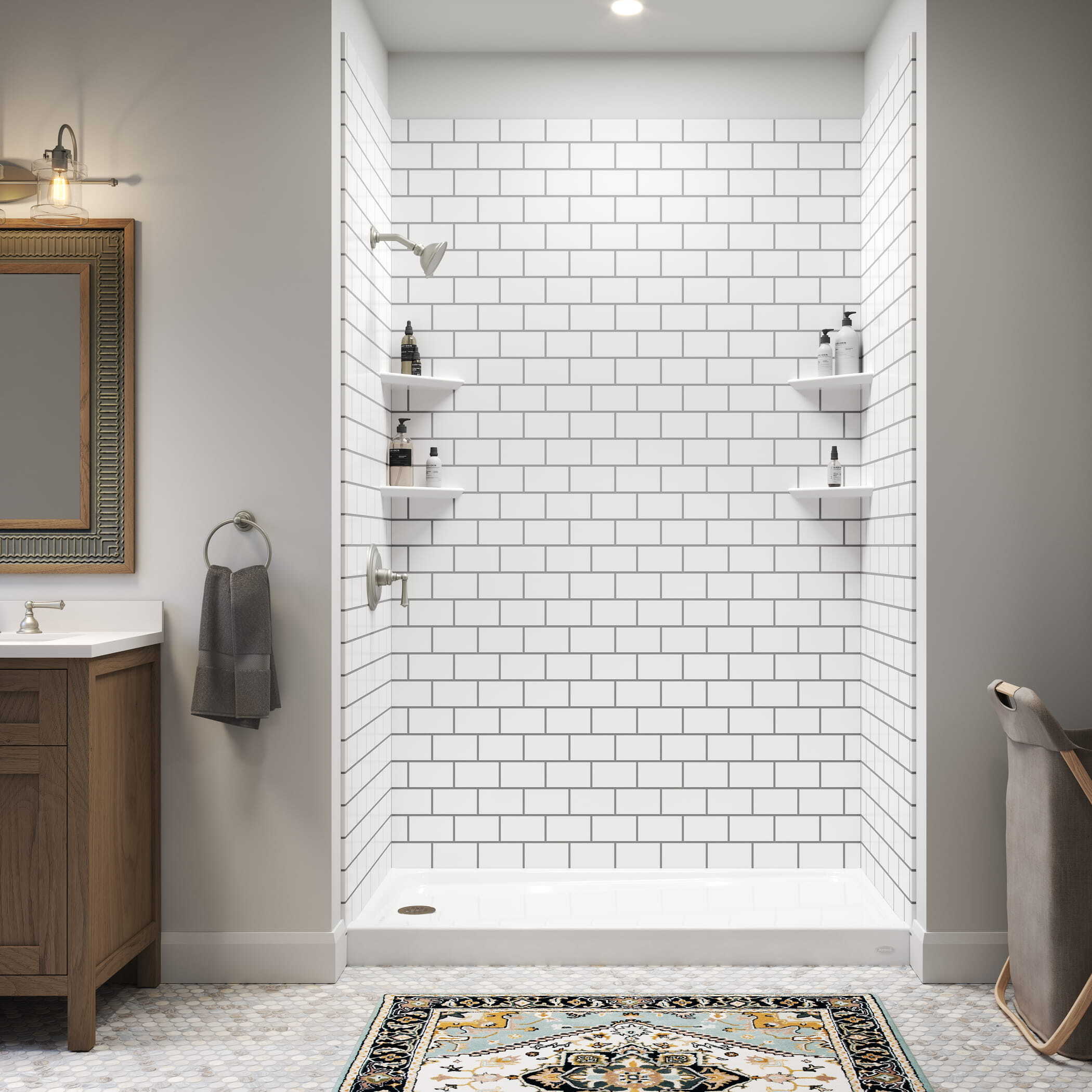
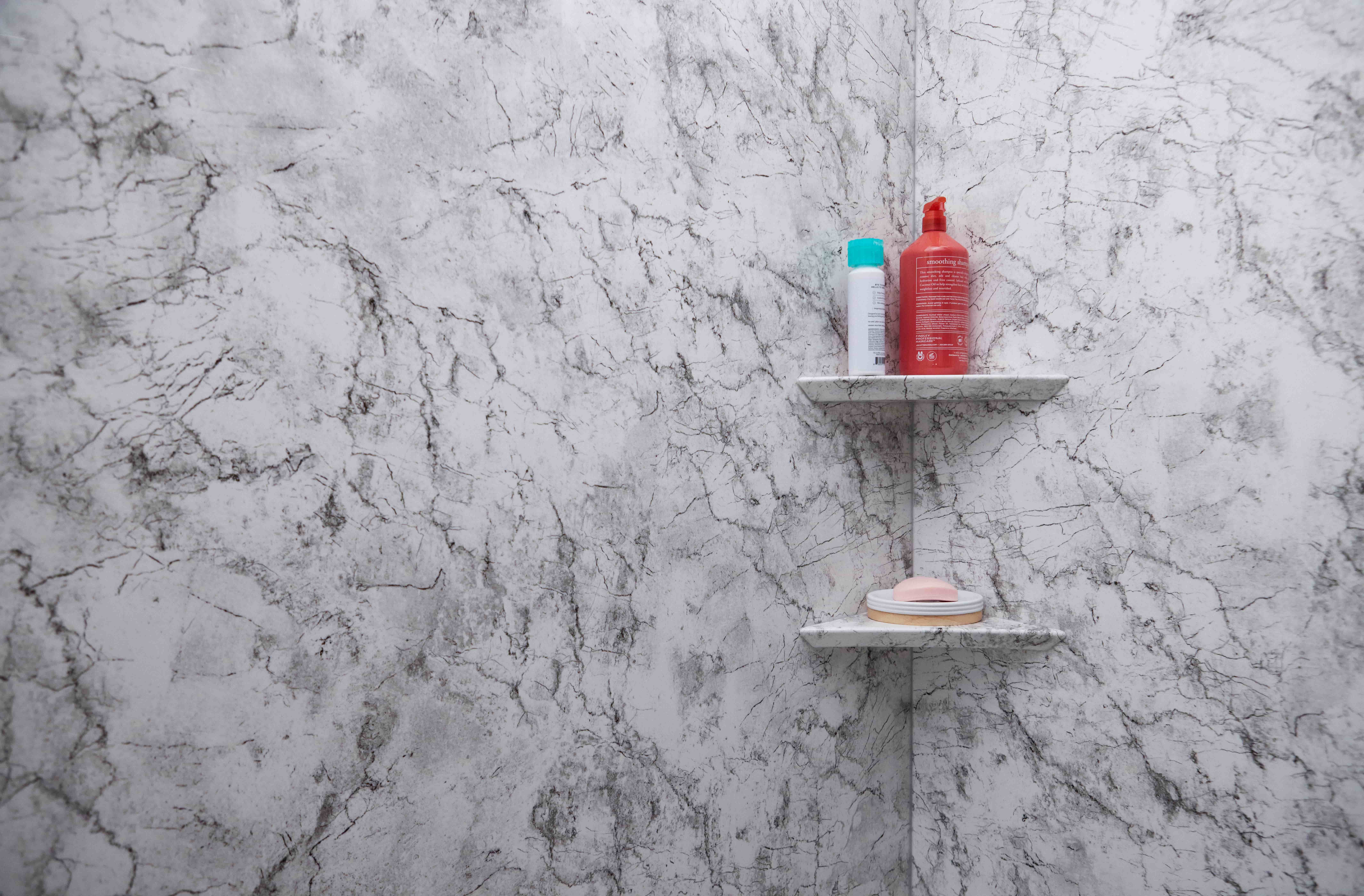
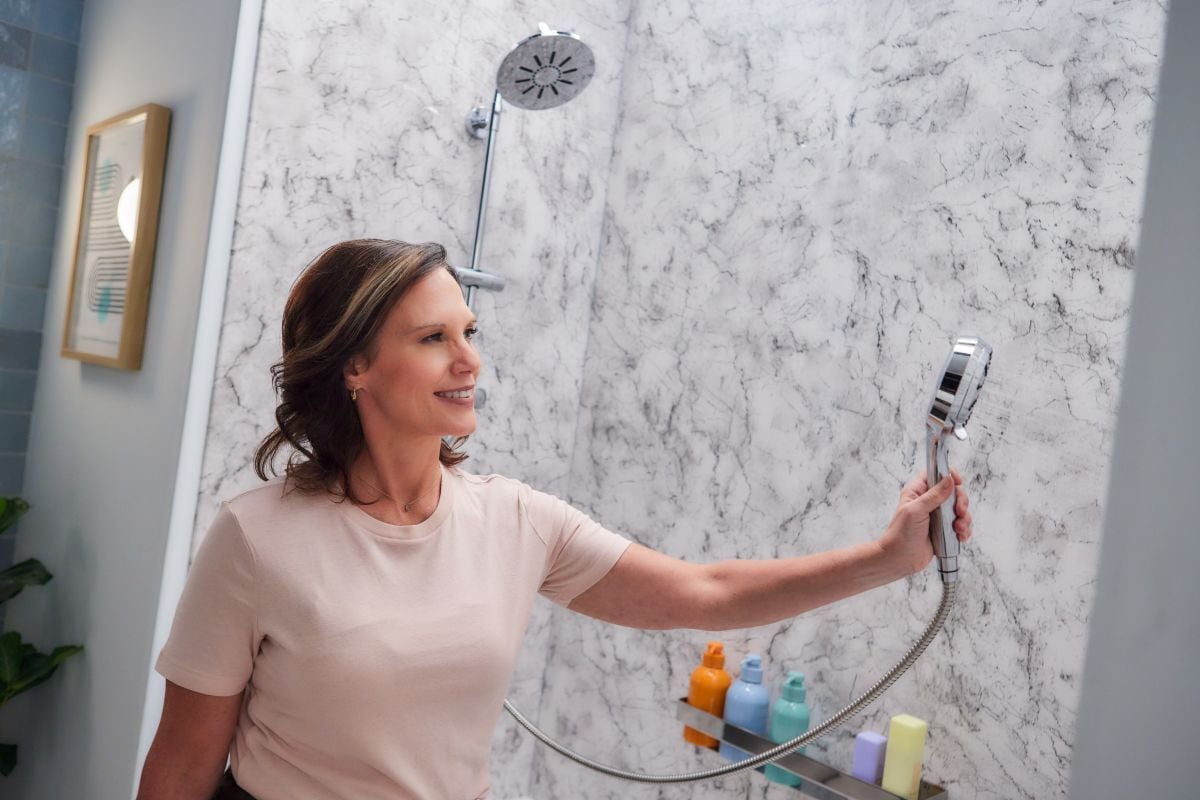
Acrylic shower panels are available in a variety of designs, including sleek, modern styles or more traditional looks with textured patterns. Some acrylic showers even mimic the appearance of tile or stone, providing a high-end aesthetic without the associated costs or maintenance.
Acrylic Showers vs. Other Materials
Acrylic showers are a great choice for many homeowners, but it's still worth comparing them to other popular materials to see how they measure up.
Acrylic vs. Tile Showers
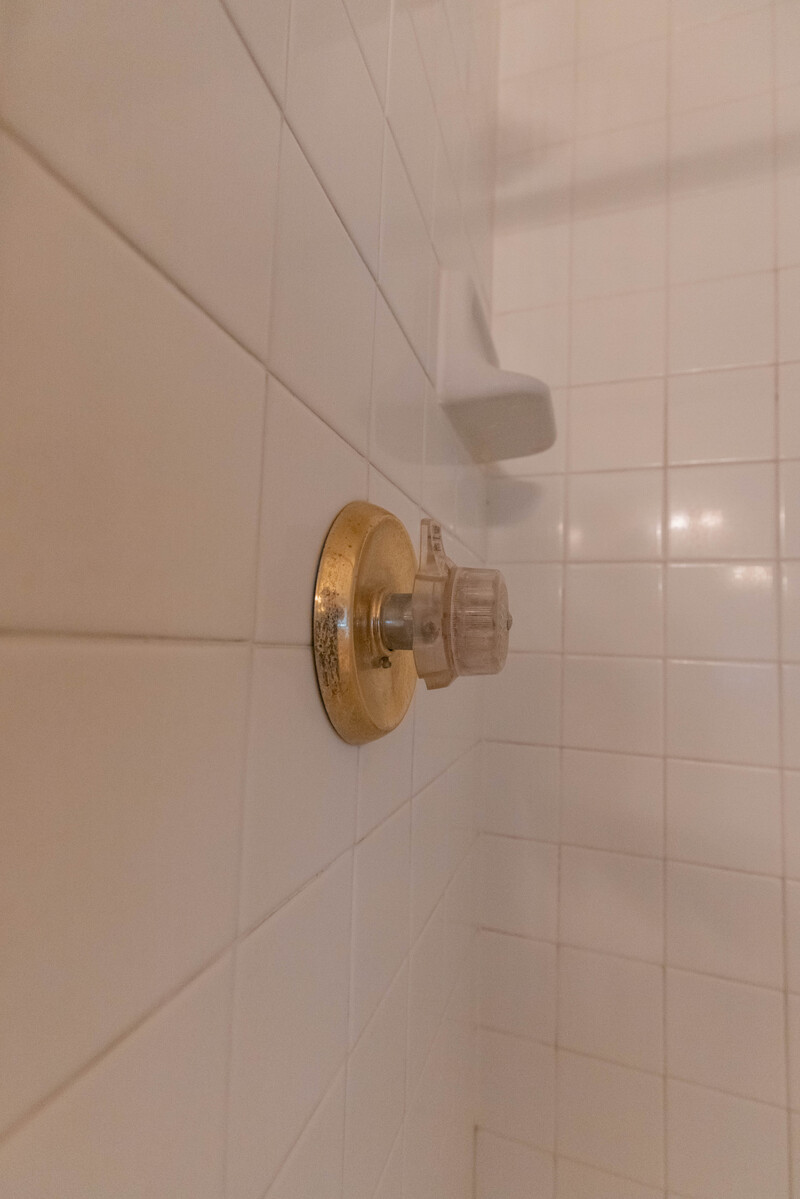
While tile showers are beautiful and customizable, they come with a lot more maintenance. Grout lines can become dirty, mold can build up, and the tiles themselves are more susceptible to cracking. Acrylic, on the other hand, is more resistant to water damage and mold growth, and it’s much easier to clean.
Acrylic vs. Fiberglass Showers
Fiberglass showers are similar to acrylic in that they are lightweight and durable, but acrylic tends to have a more polished, glossy finish. Fiberglass can also be more prone to discoloration over time, while acrylic retains its color and shine for much longer. Acrylic also tends to be a bit more durable and resistant to scratches than fiberglass.
Acrylic vs. Stone or Marble Showers
Stone or marble showers are luxurious and aesthetically appealing, but they come at a much higher price point. They also require more maintenance, such as resealing to prevent stains and water damage. Acrylic showers, while not as high-end in appearance, are an easy-to-clean, affordable alternative.
Discover ZINTEX Walk-In Shower Costs
Acrylic shower wall panels are being used in more and more houses across the South and Midwest thanks to their durability, water resistance, and simple maintenance needs. After reading this guide, you’re one step closer to deciding if it’s time to say goodbye to traditional materials like tile in favor of a modern solution like acrylic.
It’s hard to fully assess things like long-term value without knowing more about upfront costs. Up next, discover the cost of ZINTEX walk-in showers to see if we might be the right installer for you.
Topics:








.png?width=1280&height=720&name=Red%20And%20Black%20Modern%20Tips%20%26%20Trick%20YouTube%20Thumbnail%20(9).png)