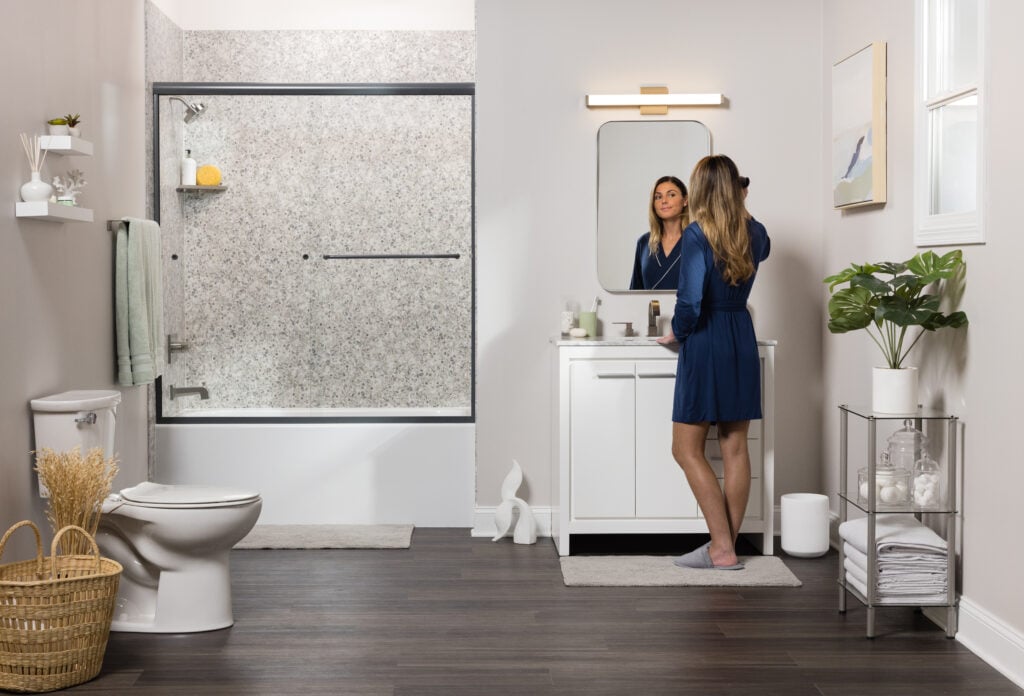
The vast majority of seniors would prefer to age in place, but strategic home upgrades are necessary to enable long-term independence without sacrificing safety. Replacing your traditional tub with a low-threshold alternative is a great way to increase bathroom accessibility, but what options do you have?
At ZINTEX Remodeling Group, accessible bathroom upgrades are what we do best. We’ve installed thousands of walk-in tubs and walk-in showers for seniors, and we’re here to help you decide which one is right for you. Read on to find out:
- What makes a walk-in tub accessible
- What makes a walk-in shower accessible
- Frequently asked questions and answers about walk-in tubs and walk-in showers
What Makes a Walk In Tub Disability Friendly
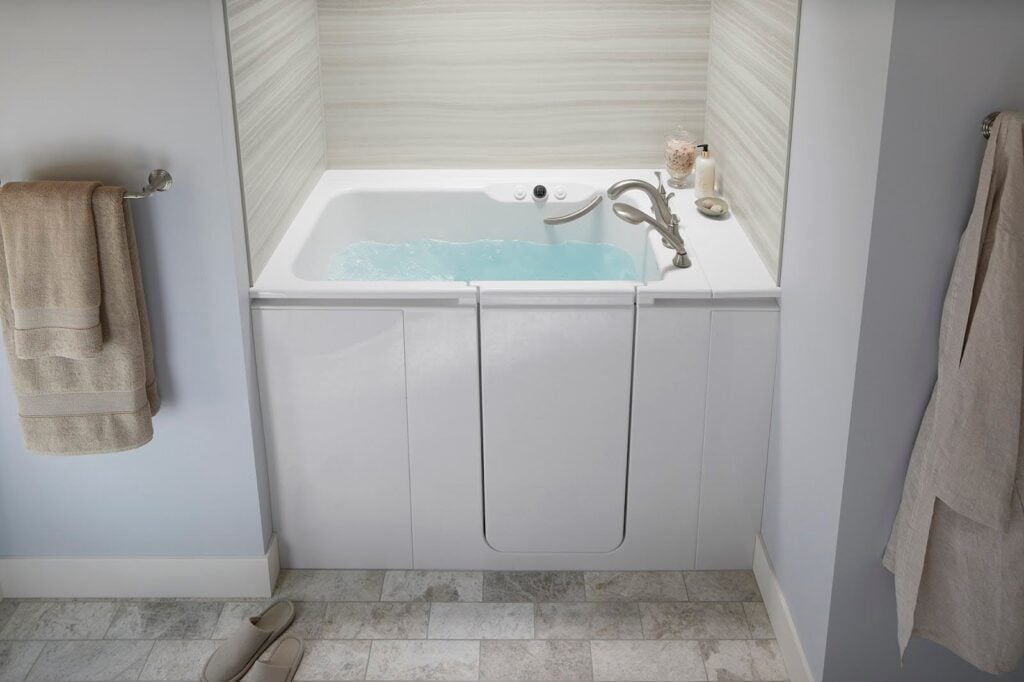
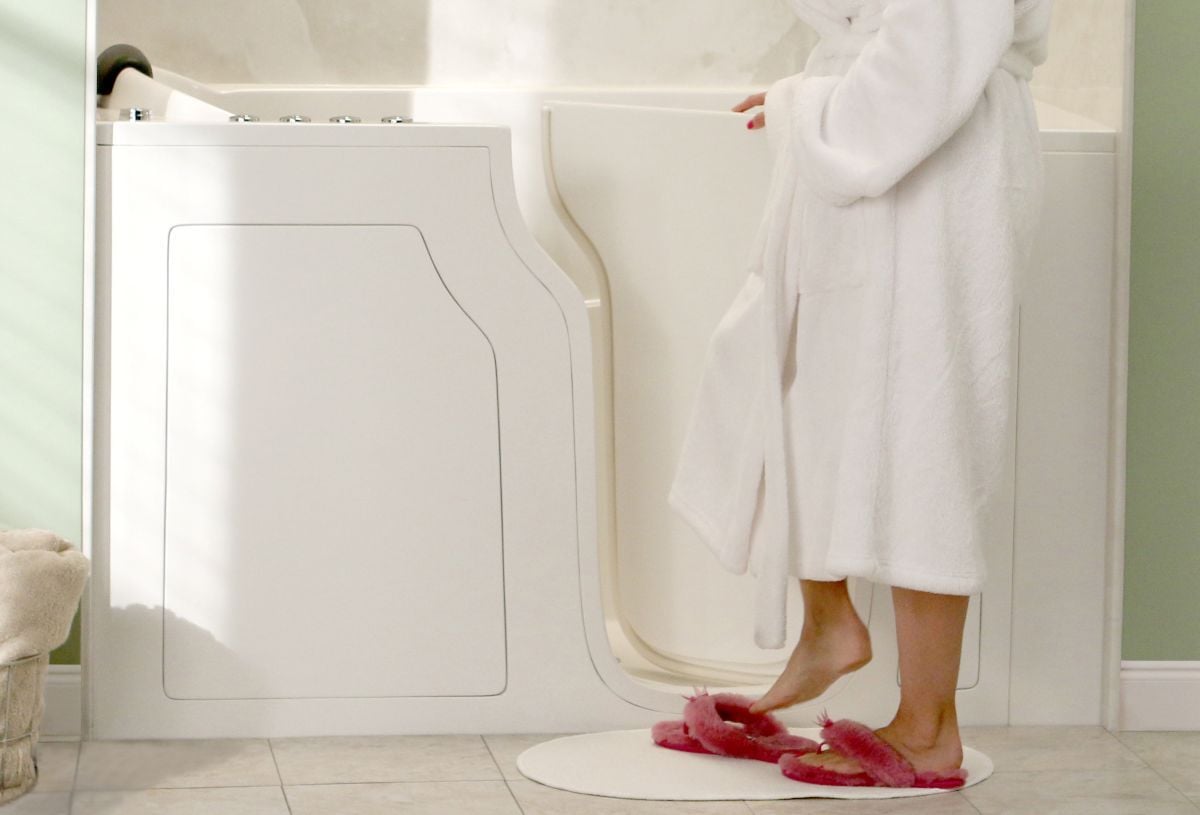
Walk-in tubs are soaking tubs with a swinging door that allow for easier entry. Unlike a traditional tub, which requires you to step over a ledge that is 14” or taller, the entry point of a walk-in tub is usually about 3” tall.
Walk-in tubs are ideal for seniors who:
- Have mobility issues, tightness, joint pain, or dizziness that impacts their ability to lift one leg up high and/or balance on one foot
- Want to enjoy the soaking feature of a traditional tub
- Would benefit from additional hydrotherapy features like jets
- Have a larger remodeling budget (see our cost breakdown below)
A basic walk-in tub is going to be much safer to use than a traditional standalone tub or tub and shower combo. You can increase the safety of your walk-in tub by adding:
- One or more reinforced grab bars
- Scald protection temperature control
- Fast drain technology
- A low pile non-slip bathmat outside the walk-in tub door
What Makes a Walk In Shower Disability Friendly
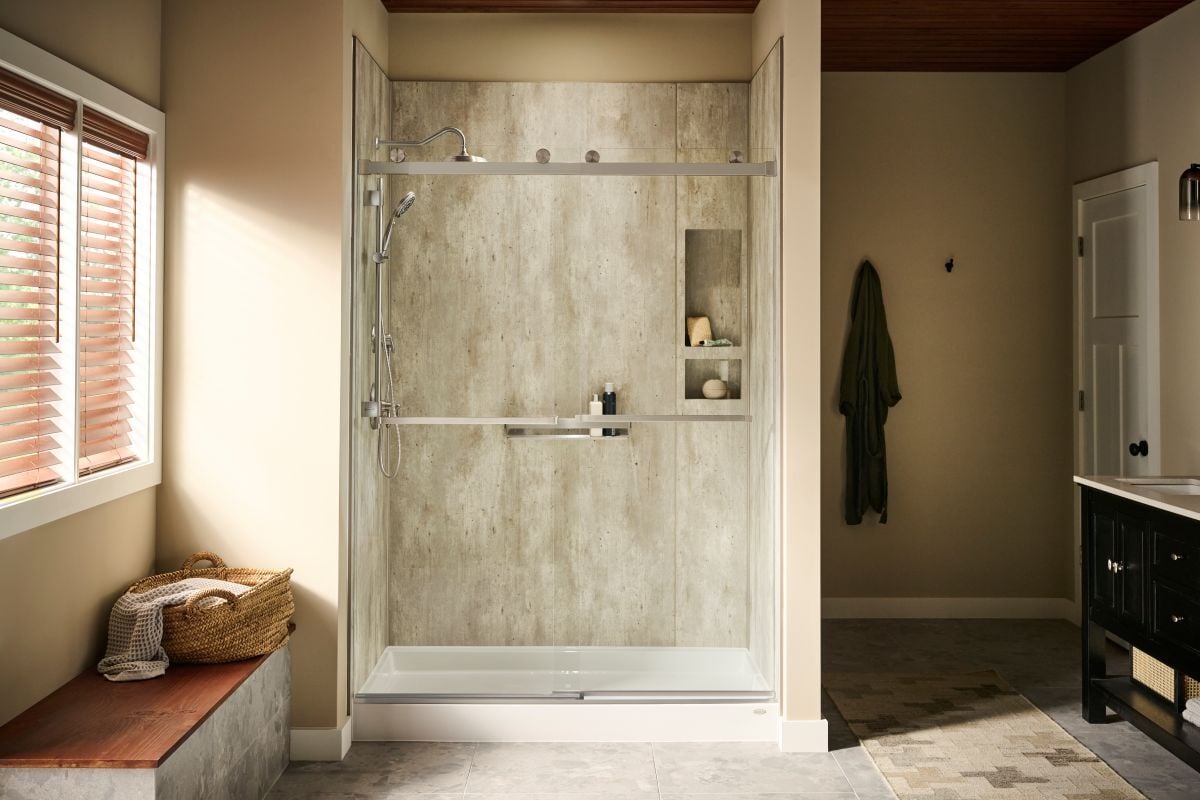
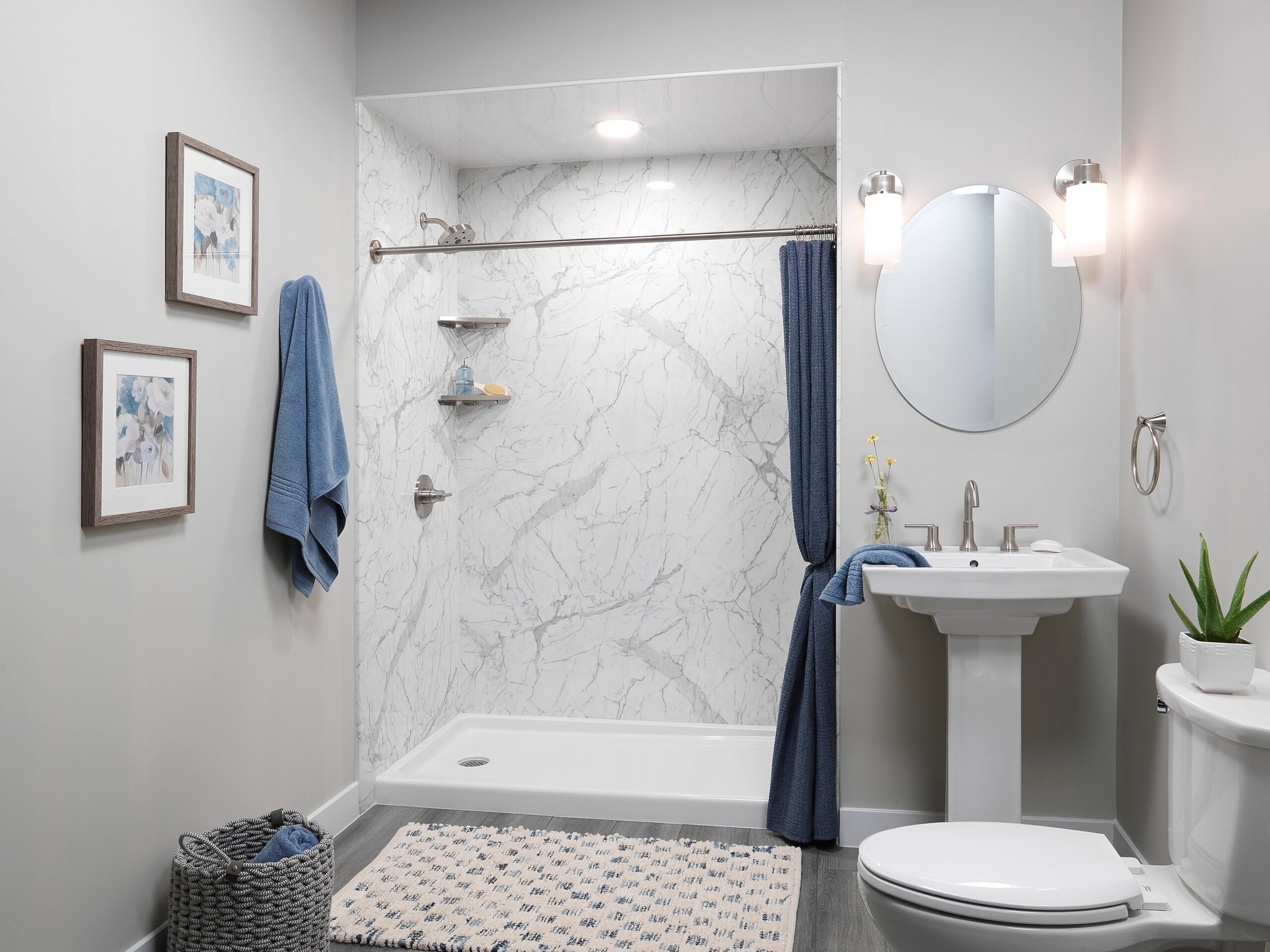
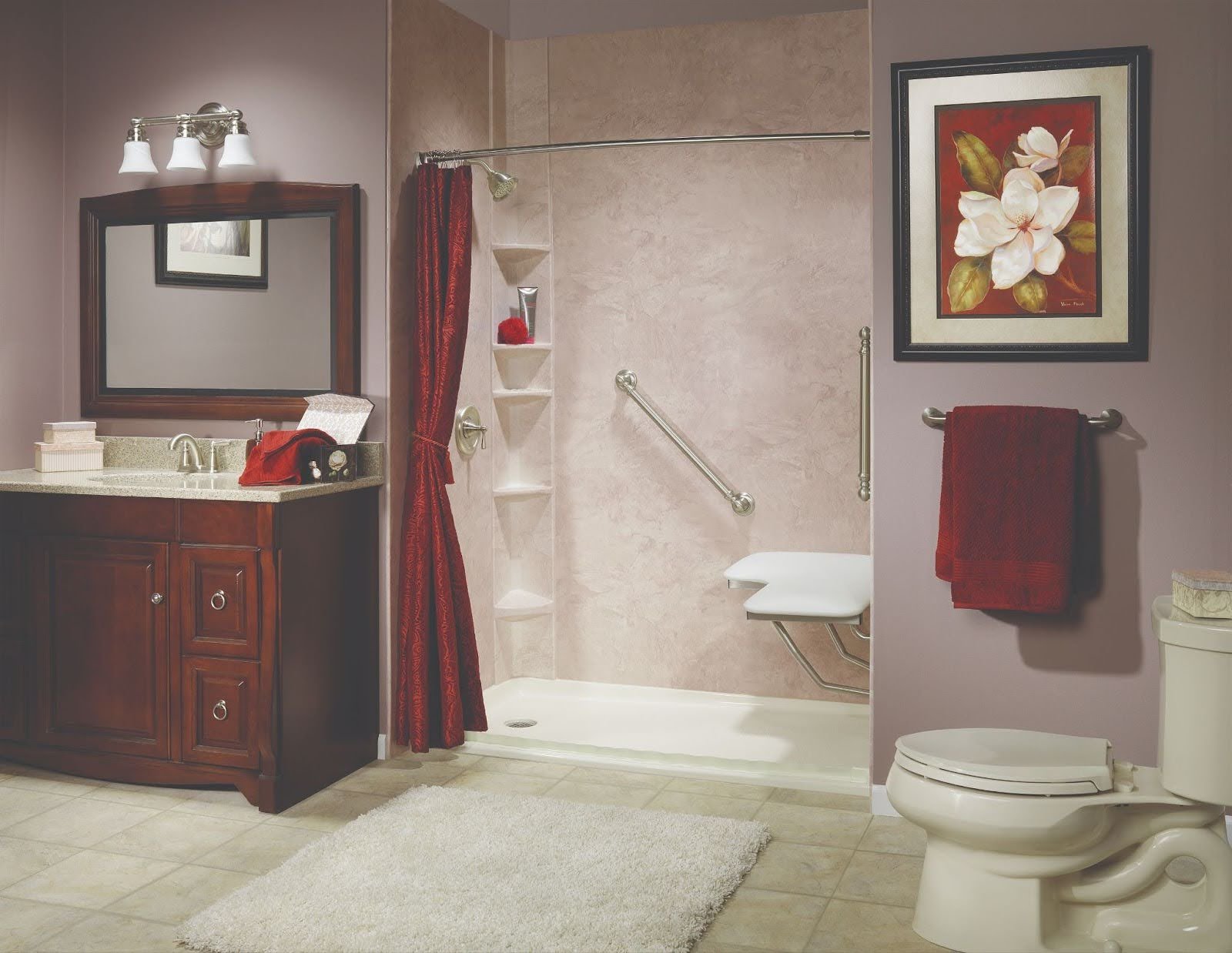
Walk-in showers are showers that eliminate the tub feature entirely. Walk-in showers can have an even lower threshold than walk-in tubs, including seamless entry points or 1-2” entry points.
Walk-in showers are ideal for seniors who:
- Have mobility issues, tightness, joint pain, or dizziness that impacts their ability to lift one leg up high and/or balance on one foot
- Need to bring their mobility aid into the bathing area
- Don’t want or need the soaking feature of a bathtub
- Have a smaller budget (see our cost breakdown below)
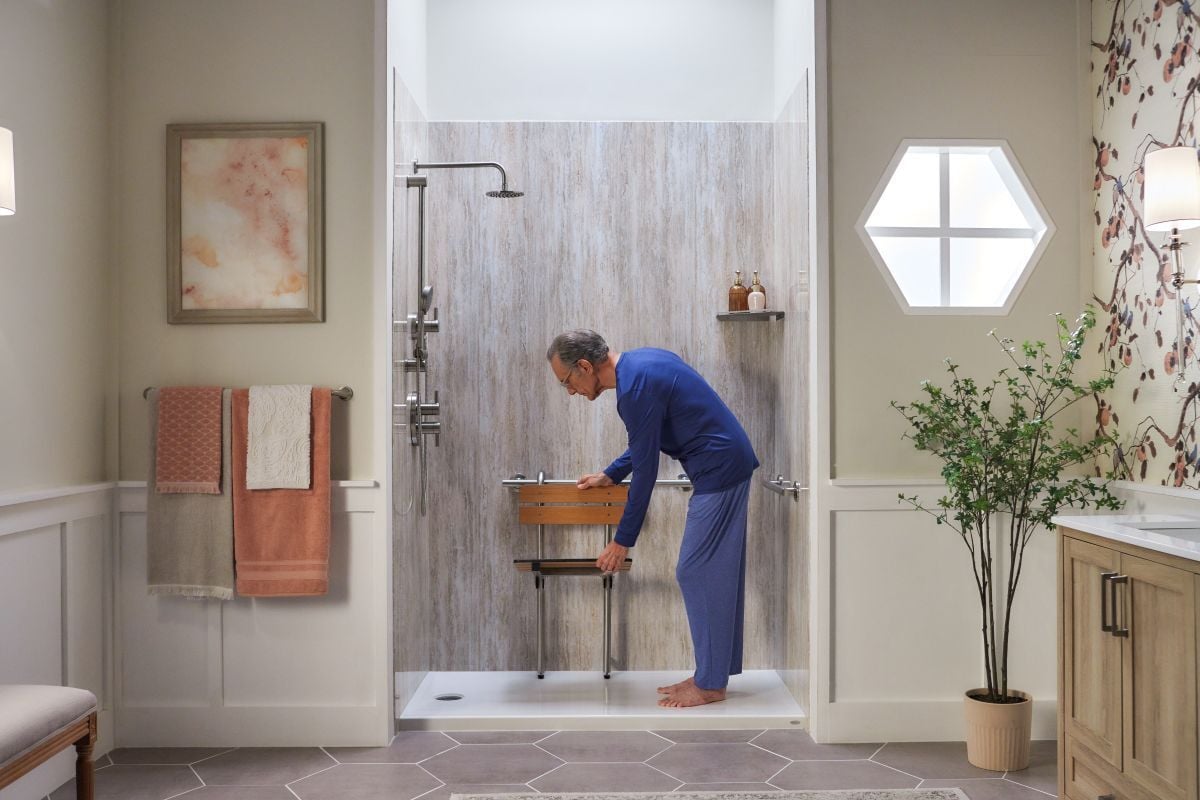
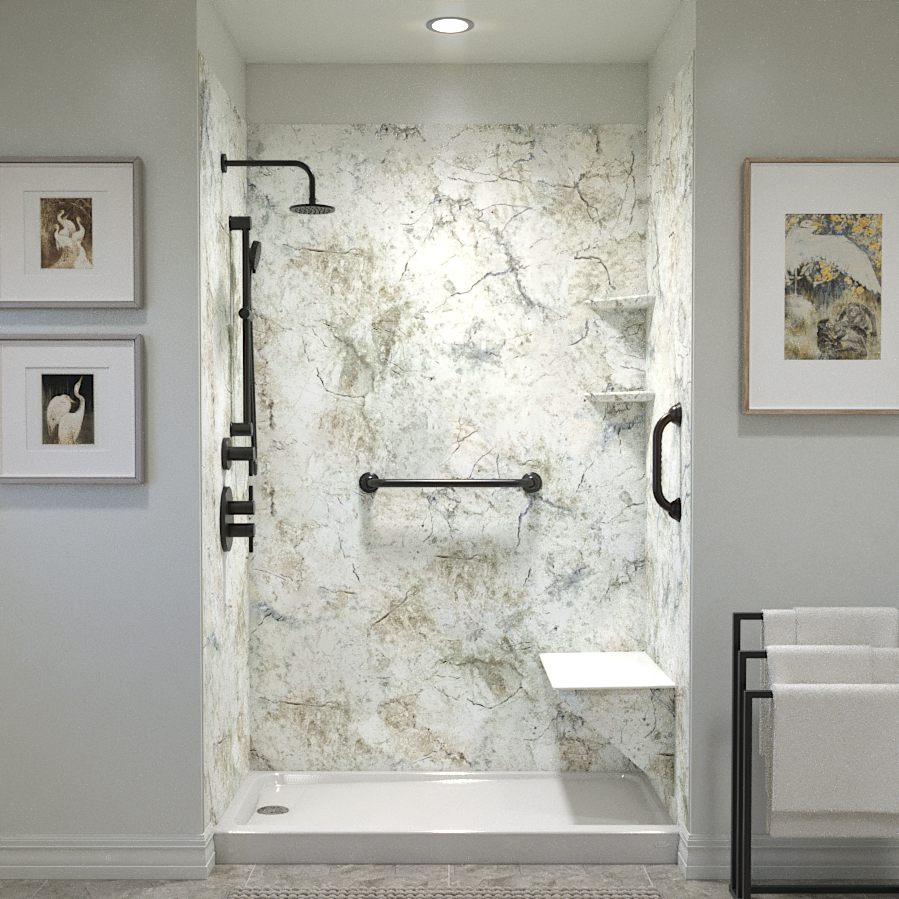
In order to make your walk-in shower as safe as possible, consider additional accessibility features such as:
- One or more reinforced grab bars
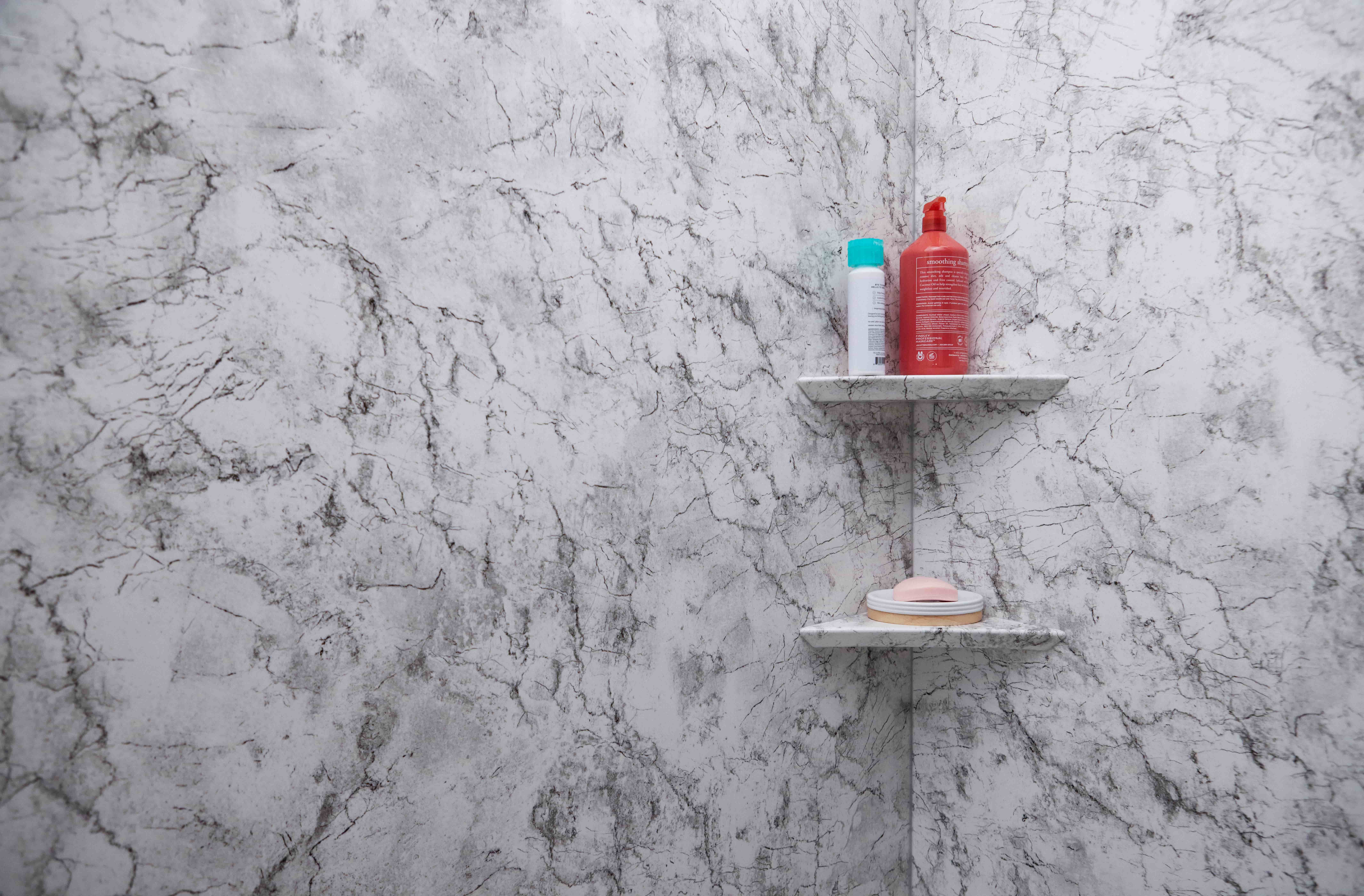
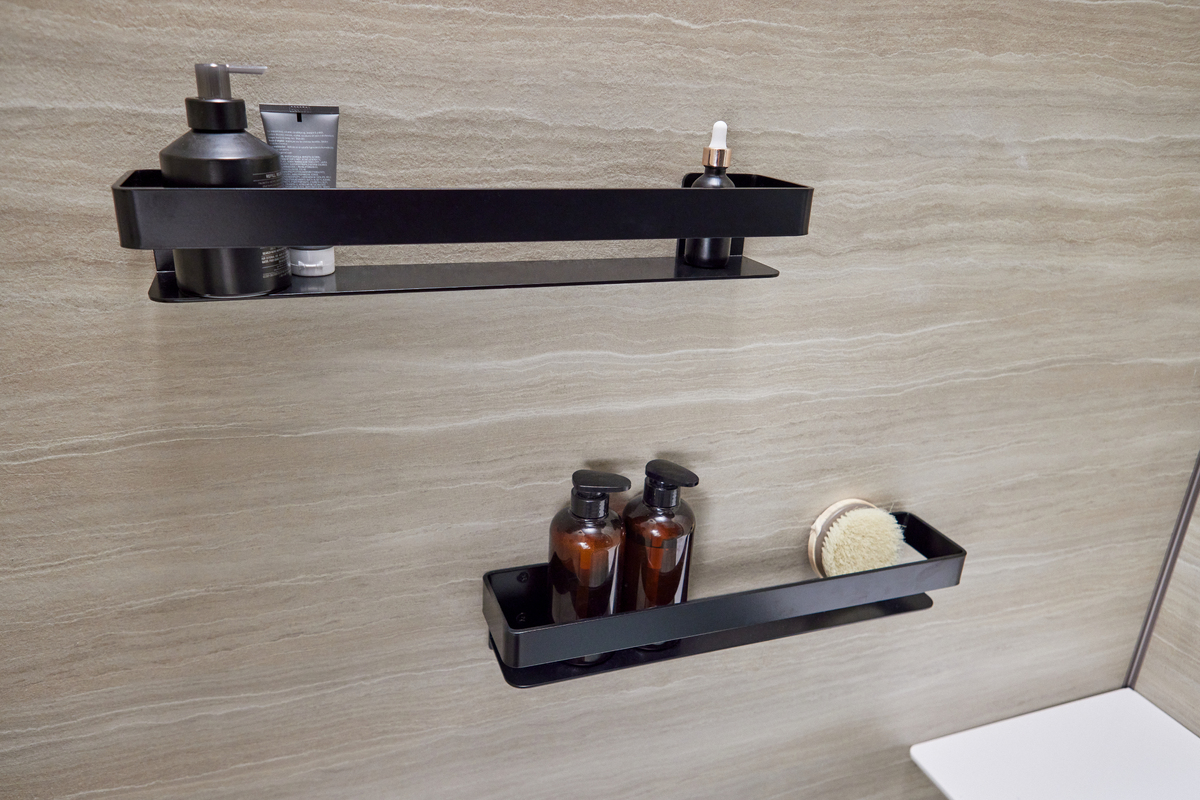
- Built-in shelving to eliminate the need for bending to access toiletries
- Built-in seating, especially if balance or dizziness are a concern
- A low pile non-slip bathmat outside the walk-in tub door
Walk In Tubs vs. Walk In Showers: Answering Frequently Asked Questions
Is a Walk In Tub More Expensive Than a Shower?
Cost is one of the most important factors in any remodeling project. On average, it is going to cost more to install a walk in tub than it is to install a walk in shower. To illustrate, we’ll use ZINTEX pricing so you can see the difference.
|
Basic Walk-In Shower Cost |
$11,000-$16,000 |
|
Basic Walk-In Tub Cost |
$20,000-$25,000 |
|
Intermediate Walk-In Shower Cost |
$16,000-$19,000 |
|
Intermediate Walk-In Tub Cost |
$25,000-$30,000 |
|
Deluxe Walk-In Shower Cost |
$19,000-$22,000+ |
|
Deluxe Walk-In Tub Cost |
$30,000-$35,000+ |
As you can see, a basic walk-in tub is going to cost about as much as a deluxe walk-in shower. This has to do with the price of the products as well as the specialty labor and plumbing/electric upgrades needed to install a walk-in tub.
Can You Shower in a Walk In Tub?
Many seniors want to enjoy the soaking feature of a walk-in tub but don’t want to lose the showering experience entirely. There are two ways that you can enjoy the best of both worlds.
One way is to install a walk-in tub and shower combination. With this configuration, you’ll have your walk-in tub, a standard showerhead, and either a glass partition or shower curtain to contain the water when you use the showerhead feature.
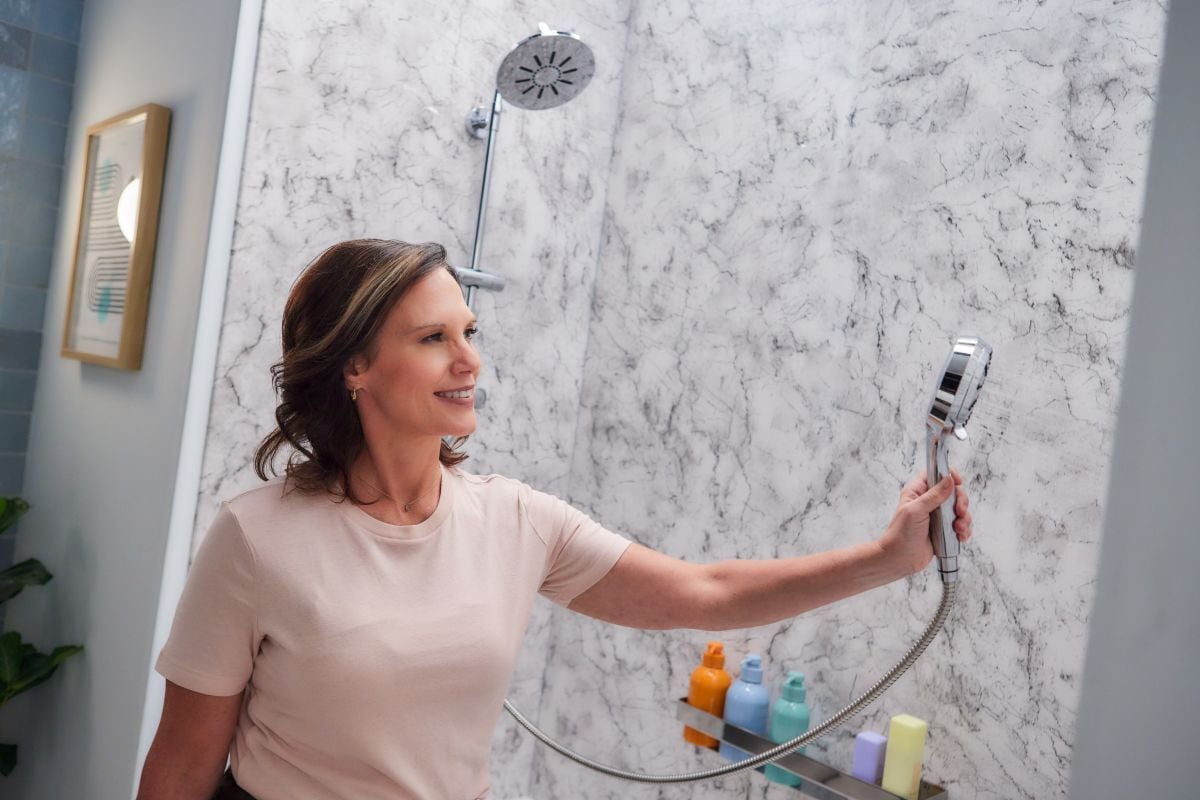
Another is to install a walk-in tub with a shower wand. This allows you to bring the showerhead to you from your seated position for easy, accessible rinsing.
Can You Sit Down in a Walk In Shower?
Maybe you already know that you want a walk-in shower, but you’re wondering if it’s feasible to sit down as needed.
While you do lose the option to soak or take a bath in a walk-in shower, you can install a bench or folding seat that allows you to sit while showering. This is ideal for anyone who deals with balance issues or dizziness.
Which Bathing Option Is Best for Mobility Aid Access?
What if you use a mobility aid like a cane, walker, or wheelchair and need to be able to bring your mobility aid into your bathing area?
Walk-in showers can be designed for mobility aid accessibility, but walk-in tubs cannot. By expanding the footprint of your shower and installing a zero threshold entry, you can enter and exit using your mobility aid seamlessly.
A walk-in tub is going to have a 2-3” threshold with a narrower doorway and limited room inside of the tub itself. Full-time mobility aid users may need assistance getting in and out of their walk-in tub.
Will Medicare Pay for Walk In Tubs or Showers?
When you’re preparing to modify your bathroom for safety, you’ll want to understand all payment options. Is Medicare one of them?
Traditional Medicare does not cover the cost of walk-in tubs or walk-in showers because it does not classify these home modifications as Durable Medical Equipment (DME). However, some Medicare Advantage (Part C) plans might provide partial coverage for a walk-in tub if your doctor deems it medically necessary.
Medicare Advantage plans vary so widely that it’s far from a guarantee that you’ll be able to use it for your walk-in tub installation. That said, financing options are available to many customers during their bathroom remodel.
Do Walk In Tubs Leak?
One of the common complaints about walk-in tubs is that they leak. Is this true of all walk-in tubs?
Cheaply constructed walk-in tubs will leak over time as the seal around the door starts to wear down. That’s why ZINTEX only partners with high-quality manufacturers like Jacuzzi for walk-in tub models. These walk-in tubs can last at least 15 years and withstand regular use, all while maintaining that crucial waterproof seal.
Do Low Threshold Showers Leak?
If your shower has a low-threshold or zero-threshold entry, will it contain water properly? It all comes down to the design and installation.
Your shower base should have an imperceptible slope that directs water towards the drain. A well-placed glass partition can also contribute to your waterproofing system. No matter what design features you choose, your ZINTEX installer will optimize for water containment.
Are Walk In Tubs Bad for Resale Value?
Maybe you’re considering a walk-in tub, but you’re worried that it will have a negative impact on your property value. Is that true, or is it a bathroom remodeling myth?
A recent report from Consumer Affairs found that walk-in tubs may not have as strong of an ROI as something like a walk-in shower or tub-and-shower combo, but it rarely has a negative impact. You’re most likely to see a good return on investment if your target market consists of seniors who may also benefit from walk-in tub features.
Learn More About ZINTEX Accessible Bathroom Remodels
Walk-in tubs and walk-in showers are two of the best senior-safe upgrades you can make in your home. With this guide, you can determine which one is better suited to your needs, your budget, and your goals.
What’s next? Learn more about ZINTEX accessible remodels to decide if you want to take the next step with a free, in-home consultation.
Topics:








.png?width=1280&height=720&name=Red%20And%20Black%20Modern%20Tips%20%26%20Trick%20YouTube%20Thumbnail%20(9).png)