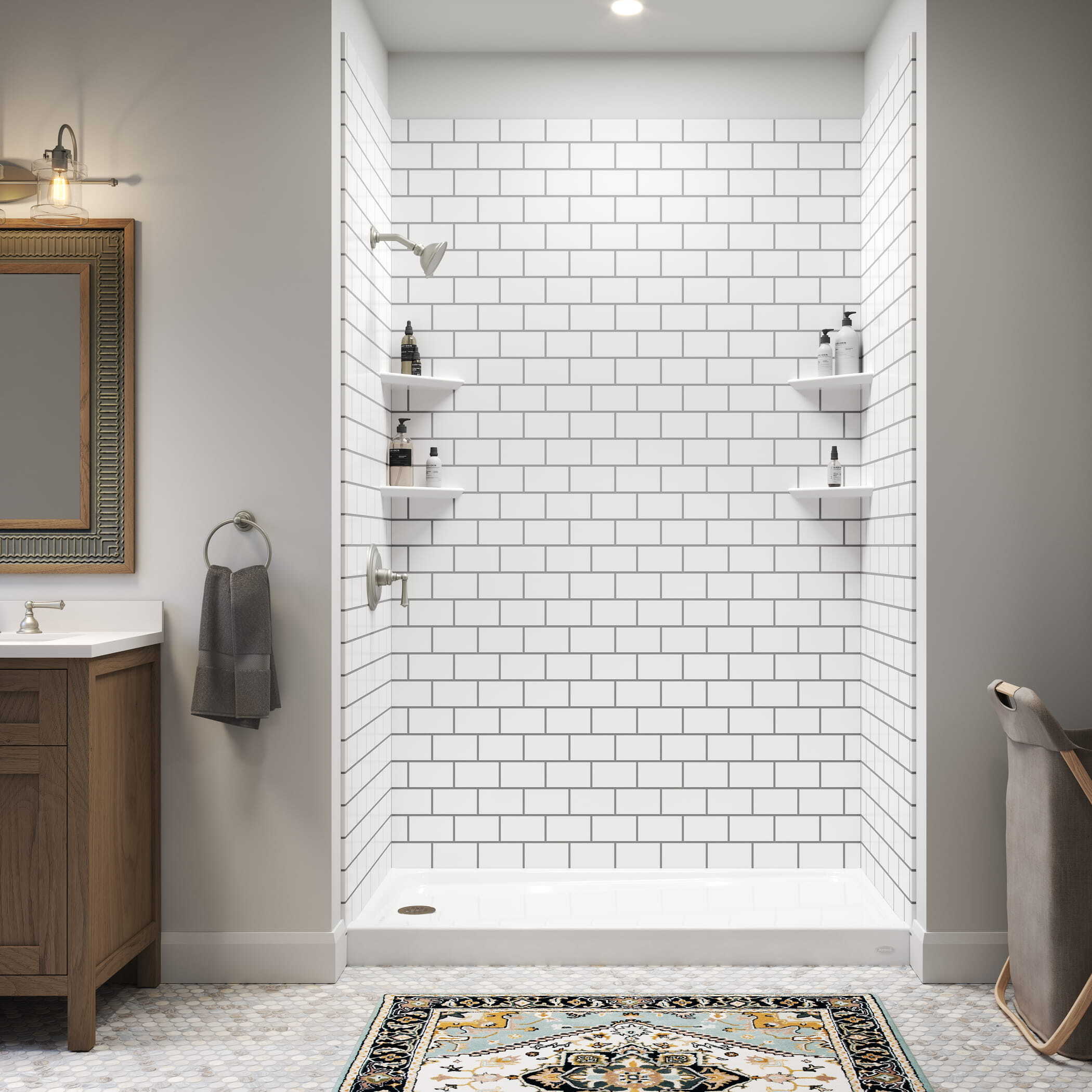
Ceramic tile has been one of the most popular shower wall materials for decades. In fact, it’s one of the most common materials we tear out during tub and shower replacements. Should you stick to a classic simply because it’s familiar, or is it time to pivot to something newer and possibly better?
At ZINTEX Remodeling Group, we specialize in acrylic shower walls, which might make us seem a little biased. The truth is, we’ve become leaders in the acrylic shower industry because we’ve seen just how well acrylic can perform. Today, we’re going to compare acrylic to ceramic tile to see which one wins in categories like cost, waterproofing, and maintenance. Let’s dive in.
Table of Contents
- Acrylic vs. Ceramic: Which Type of Shower Remodel Costs More?
- Is Acrylic More Waterproof Than Ceramic Tile?
- What Is the Lifespan of Acrylic Shower Wall Panels vs. Ceramic Tiles?
- Is Acrylic Less Versatile Than Ceramic Tile?
- How to Clean Acrylic Showers vs. How to Clean Tile Showers
Acrylic vs. Ceramic: Which Type of Shower Remodel Costs More?
First, let’s talk about upfront costs. While you can certainly cut down on the cost of labor by installing shower materials yourself, DIY installation can compromise other categories we’re going to discuss below, especially waterproofing and durability. To keep things simple, we’re looking exclusively at professionally installed showers.
|
Shower Remodel Material |
Acrylic |
Ceramic Tile |
|
Cost of Materials |
$8,000-$15,000 |
$4,000-$12,000 |
|
Cost of Labor |
$3,000-$7,000 |
$6,000-$15,000 |
|
Total Average Price Range |
$11,000-$22,000 |
$10,000-$27,000 |
As you can see, the cost of an acrylic shower vs. ceramic tile shower can be comparable, although tile can start to get pricier on the higher end. This is largely because tile requires more complex and time-consuming installation to maximize moisture protection.
Is Acrylic More Waterproof Than Ceramic Tile?
If cost is the most important consideration for homeowners looking to install new showers, waterproofing should be a close second. Without proper waterproofing in a tub or shower, you’re going to face water damage, structural rot, and mold growth in a few short years.
To get straight to the point, acrylic shower walls are always more waterproof than ceramic tile (or any kind of tile, for that matter). This is for two key reasons:
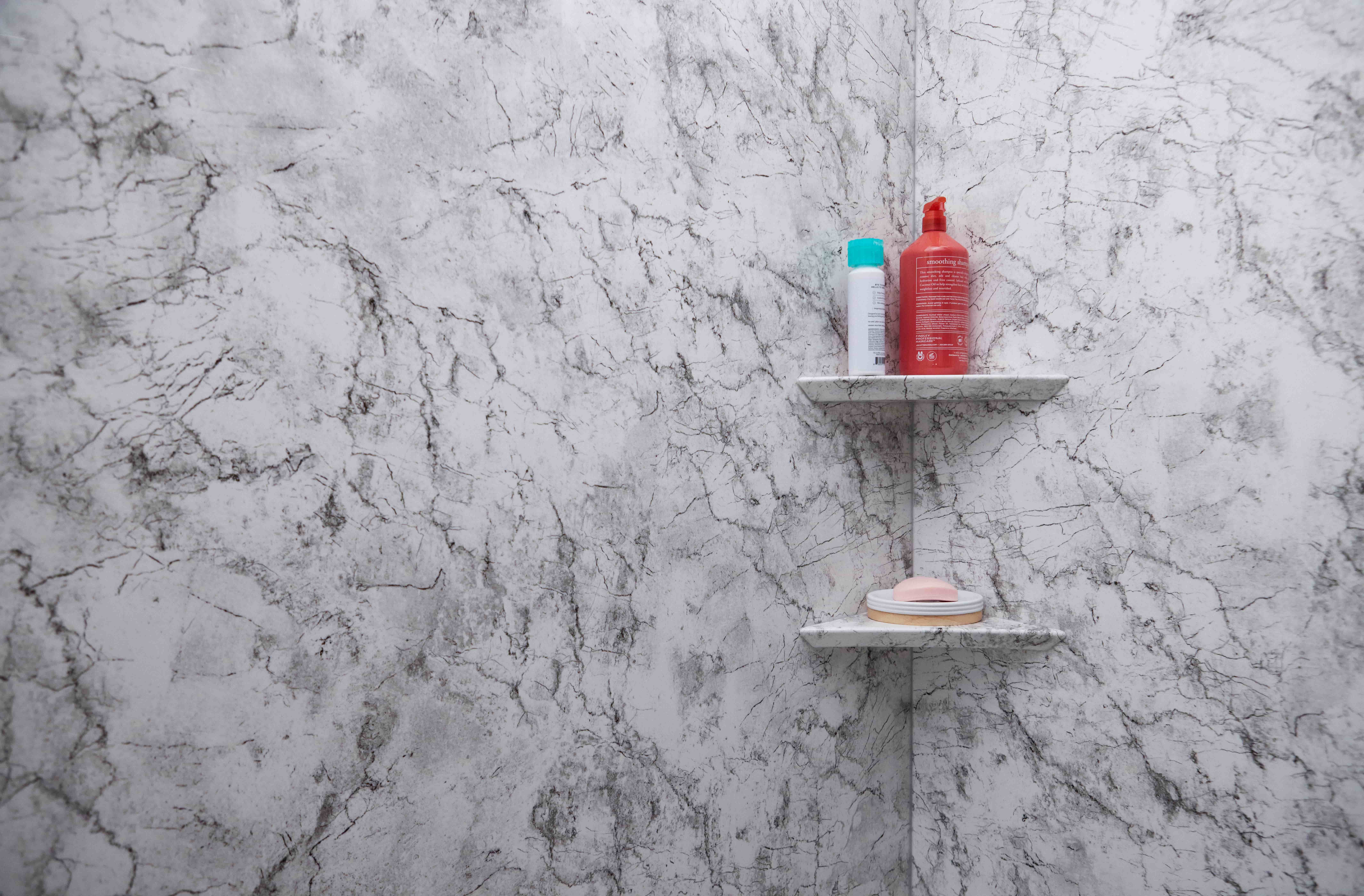
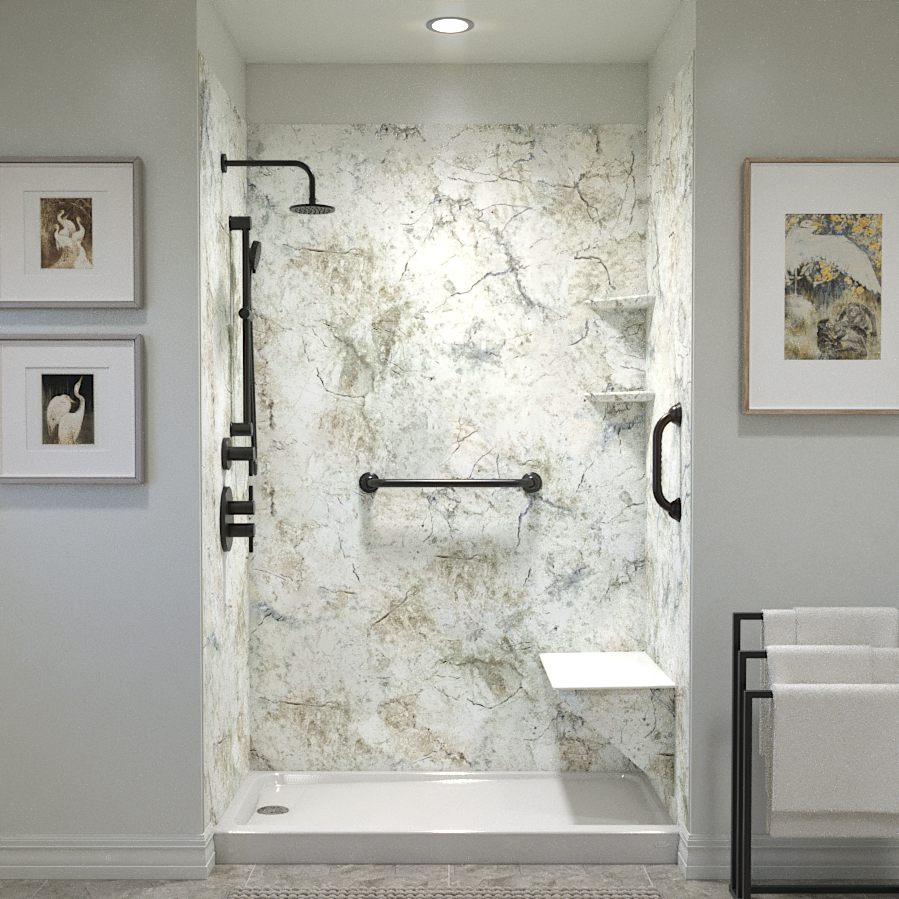
- Acrylic showers consist of solid surface panels that provide full coverage for each of your shower walls. Acrylic itself is a nonporous material, so no water is going to seep through your walls.
- Solid panels are nearly seamless, whereas tile showers have a large grid of exposed grout. Sealed grout can resist water fairly well, but if you don’t reseal your grout every few years, it will start to absorb moisture. This leads to invisible damage and, eventually, visible mold growth.
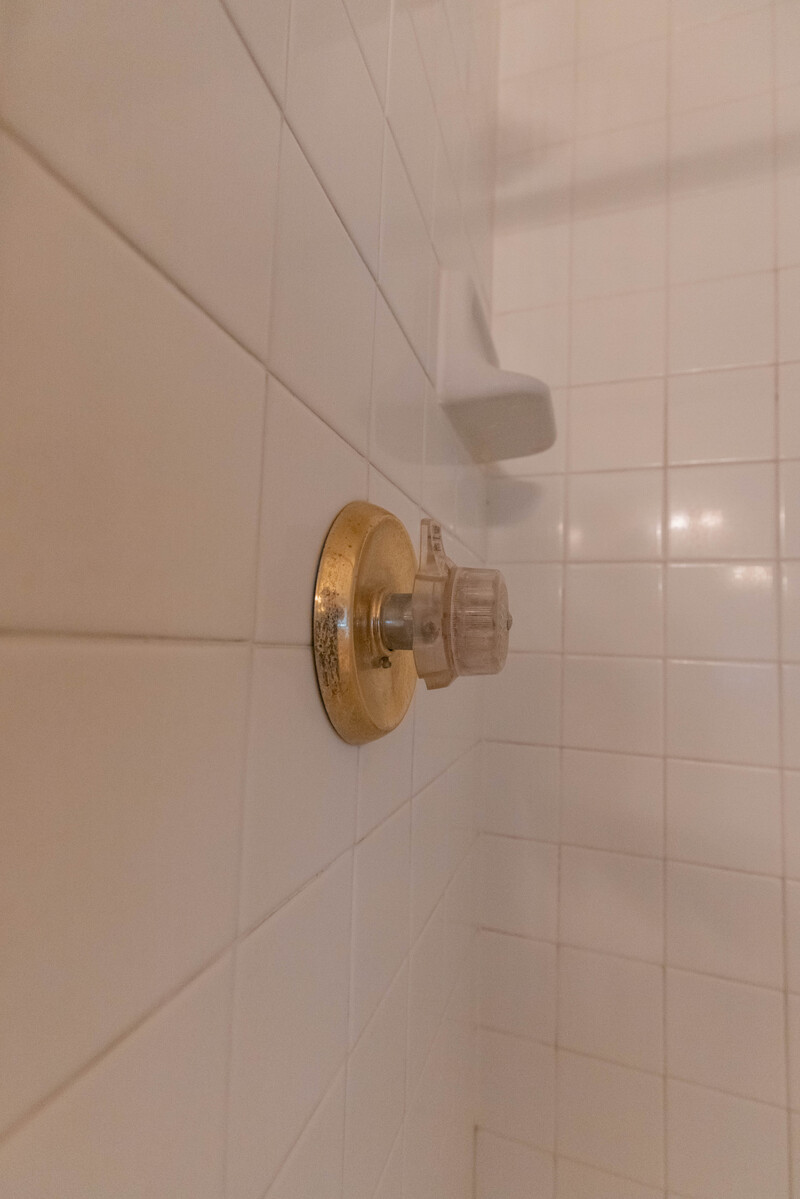
You’ll only see water damage in an acrylic shower if the acrylic wall panels weren’t properly adhered to the wall or if the corner sealant breaks down.
What Is the Lifespan of Acrylic Shower Wall Panels vs. Ceramic Tiles?
How long a shower lasts before you need to replace it will depend directly on things like waterproofing. While 20th century tile showers could last for decades thanks to old school installation methods like cement floating, you won’t see the same level of durability today.
With contemporary installation methods, an acrylic shower can last 15-25 years, while a ceramic tile shower can last 10-20 years. This is pretty comparable, but you are taking a bigger gamble with a tile shower if you aren’t likely to stay on top of that waterproof grout seal.
Remember, we’re still talking about showers that were installed by a professional. If you install a shower yourself, you’re probably looking at a lifespan of 5-7 years regardless of the materials you use.
Is Acrylic Less Versatile Than Ceramic Tile?
Design versatility isn’t the most important functional consideration, but that doesn’t mean it isn’t important to the majority of homeowners. After all, if you’re investing in a new shower, it ought to look good!
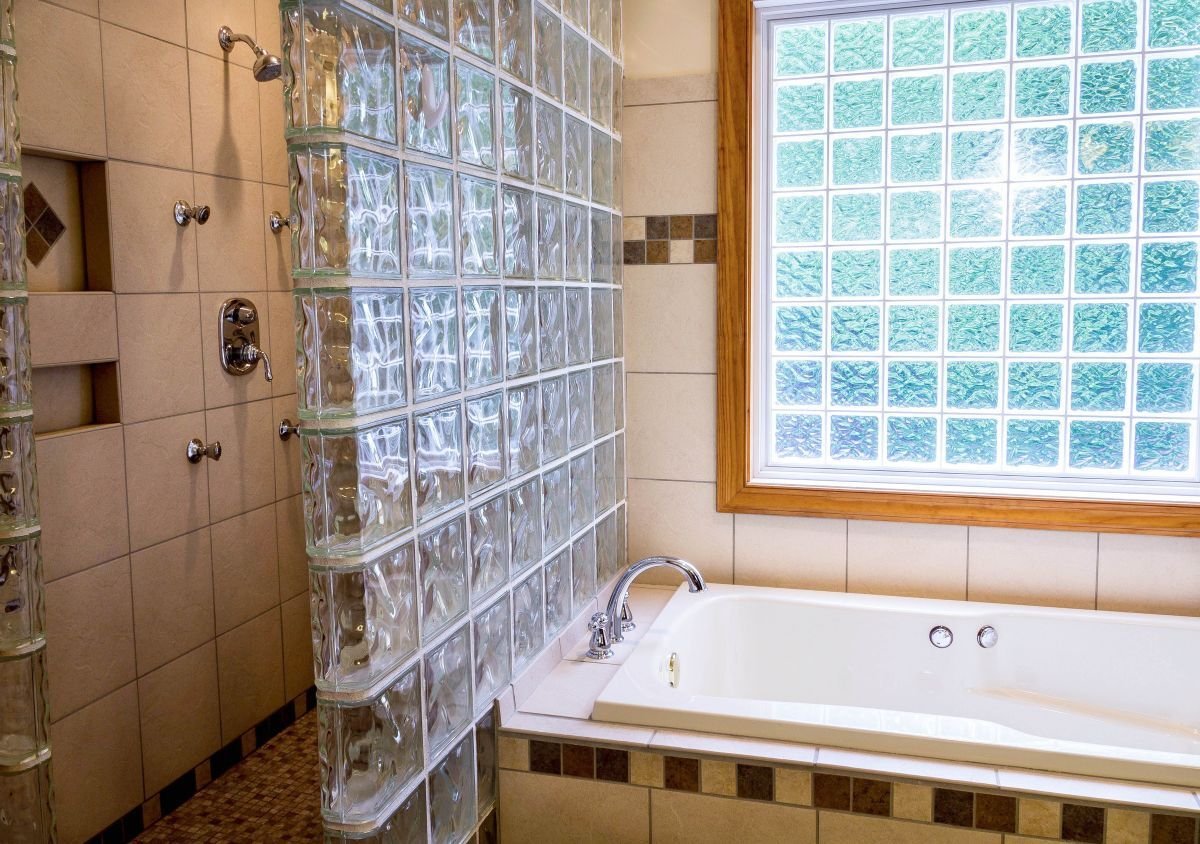
Ceramic tile does offer more design versatility because you can configure tile in all sorts of patterns, especially if you’re working with more than one color. Ceramic tile can also create a really classic aesthetic or a fun, bright, contemporary aesthetic.
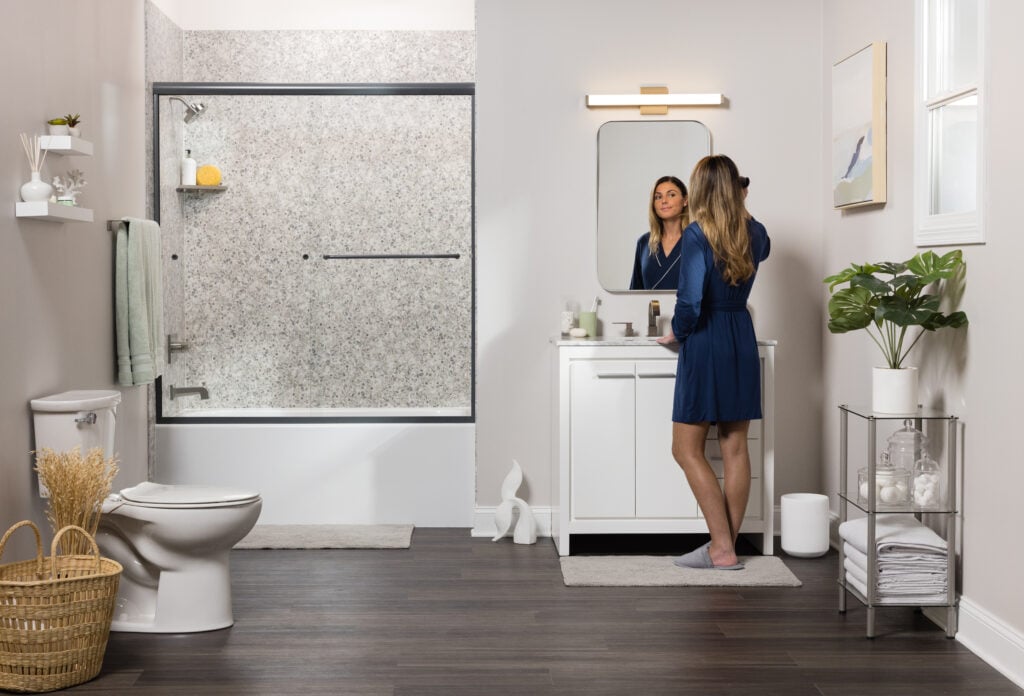
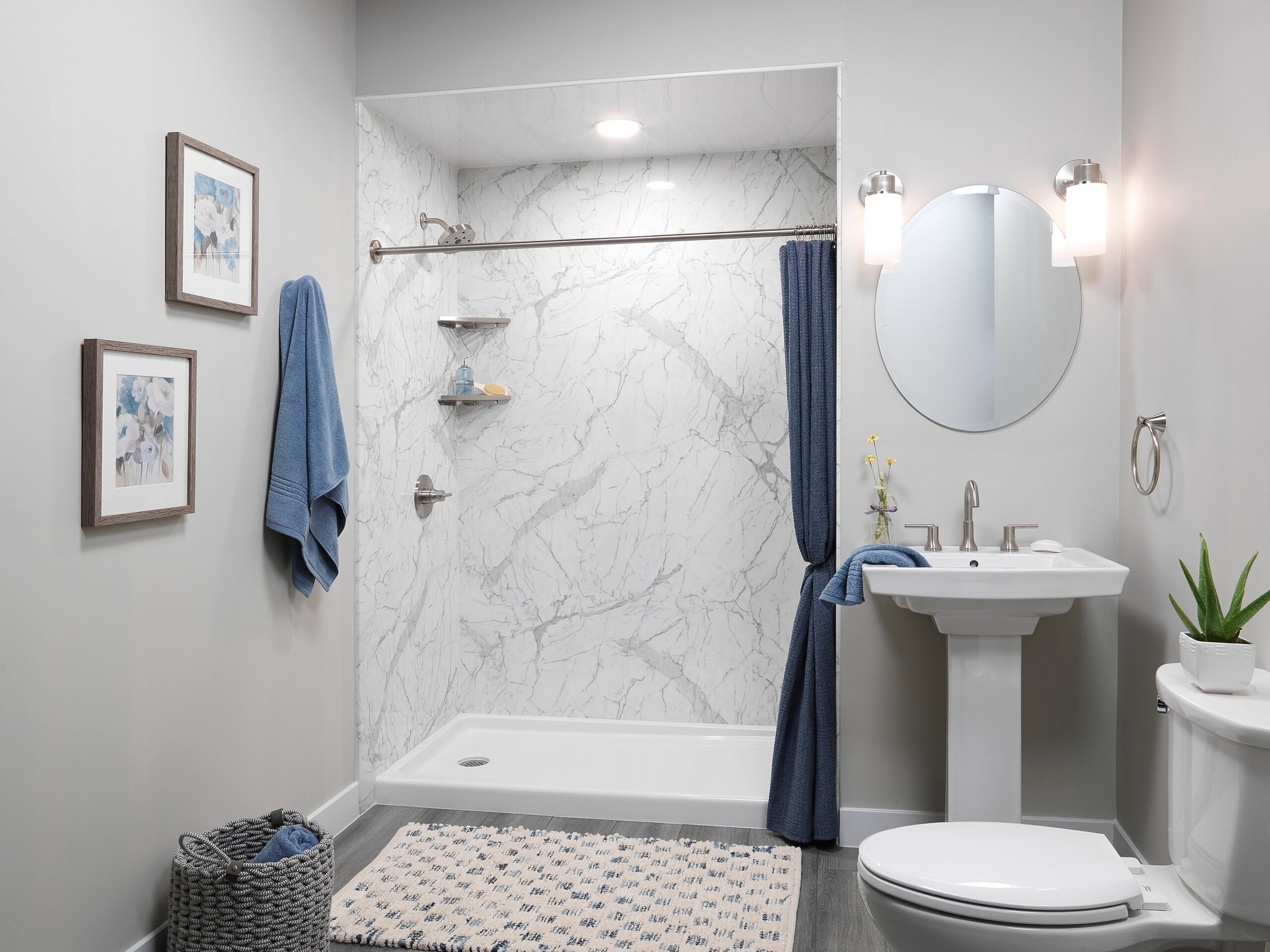
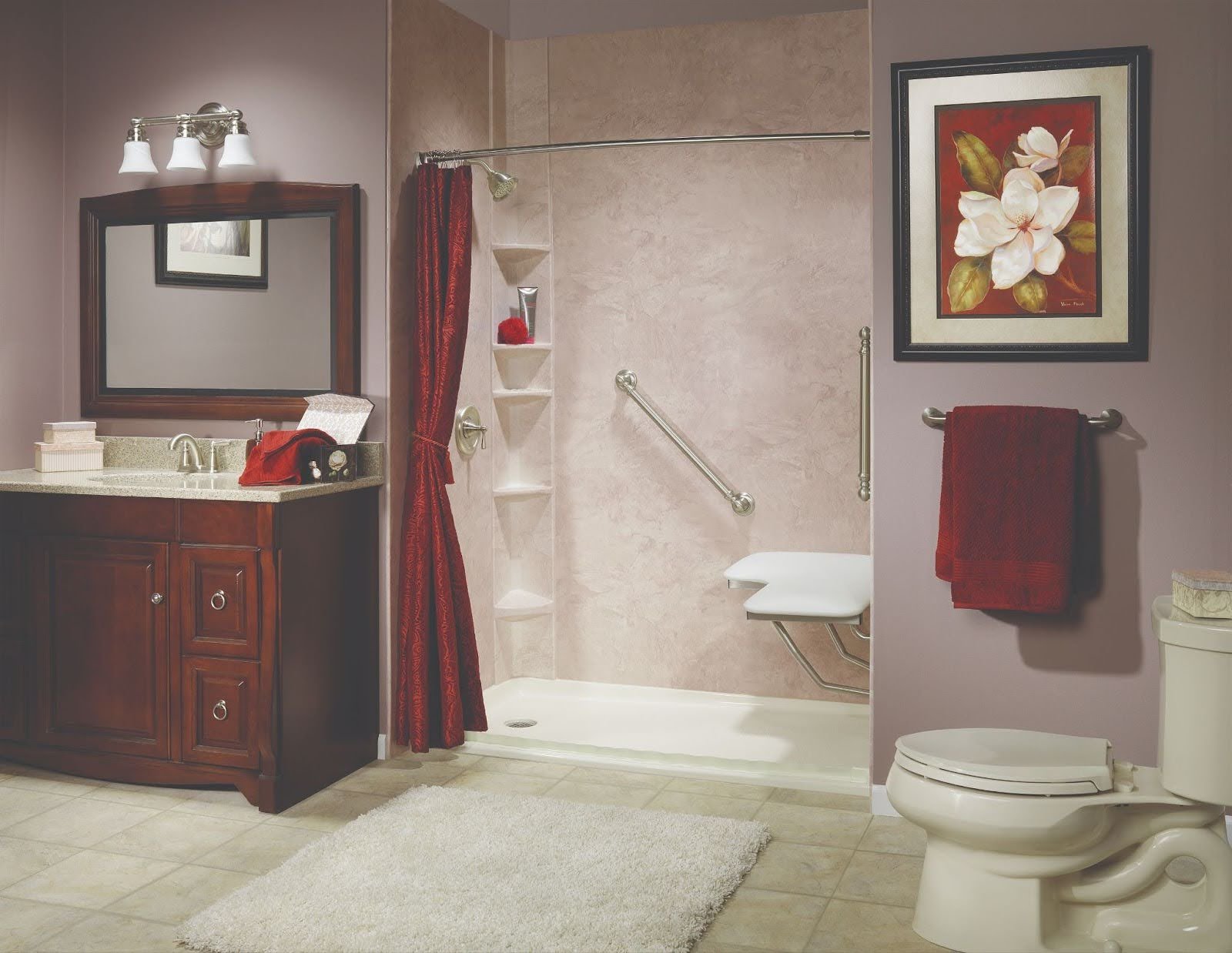
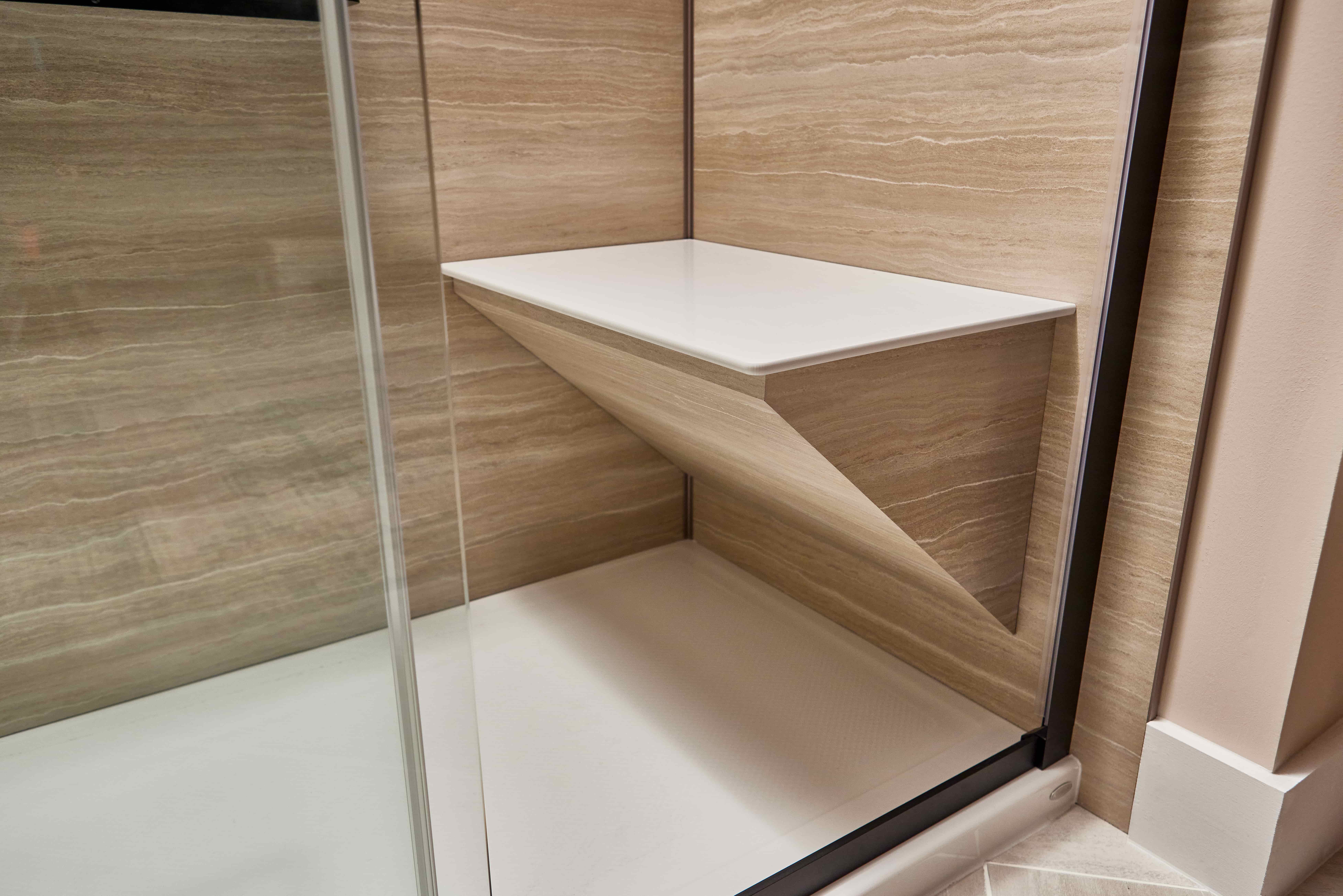
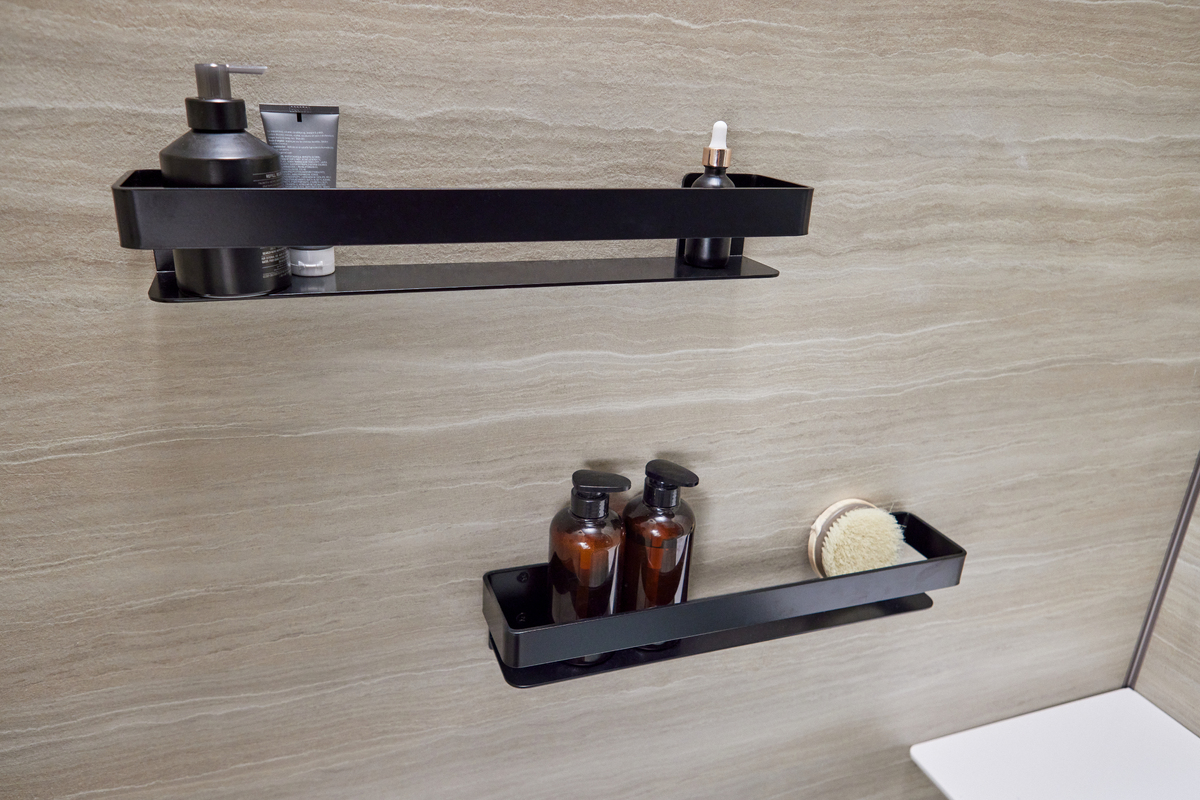
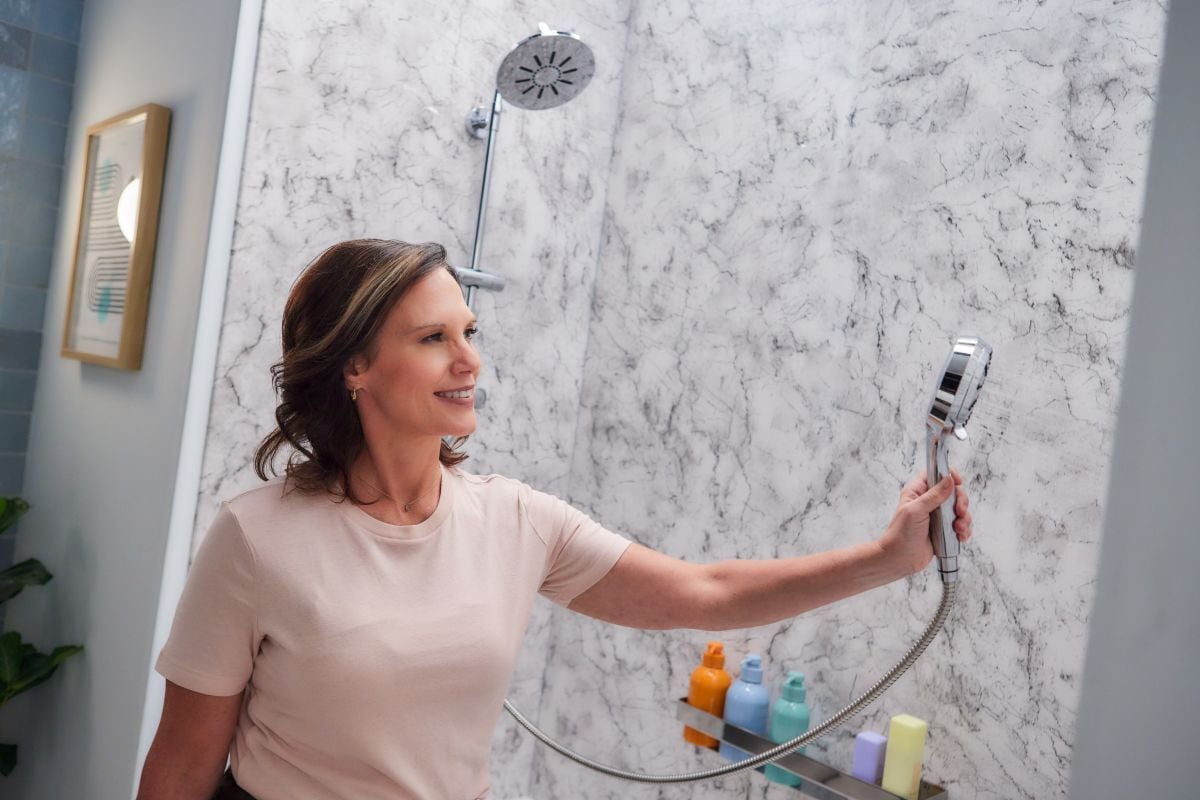
Acrylic doesn’t come with quite as much design freedom as ceramic tile, but the acrylic shower design options keep expanding year over year. Not only can you choose from a variety of premium colors and patterns, but you can also add a simulated tile pattern to get the best of both worlds.
Photo features simulated tile on an acrylic shower wall system
How to Clean Acrylic Showers vs. How to Clean Tile Showers
Once you’ve committed to a shower material and invested in a shower installation, you don’t want to spend a ton of time keeping that shower clean, right?
Acrylic is the easier shower system to clean for the same reasons that it’s the more waterproof option. Those solid panels are water-resistant, and all you’ll need to do to keep things like soap scum at bay is wipe the panels down with a gentle cleaner a few times a month.
Ceramic tile itself isn’t too hard to keep clean, but grout is another story. You’ll need to use an abrasive cleaner and something like a sturdy toothbrush to keep grout clean. If mold growth sets in, you’ll find yourself scrubbing it away every week just for it to come back. At the end of the day, it’s a lot harder to keep a tile shower in like-new shape than acrylic.
Learn More About ZINTEX Acrylic Showers Today
There’s no doubt that ceramic tile can be found in bathrooms across the country. Tile showers have endured for a reason, especially when we’re talking about aesthetics, but that doesn’t mean it’s your only option–or even your best option.
Want to learn more about the acrylic showers we’ve been designing and installing for 25 years? Take a closer look at ZINTEX walk-in shower services to see if we might be the right fit for you.
Topics:








.png?width=1280&height=720&name=Red%20And%20Black%20Modern%20Tips%20%26%20Trick%20YouTube%20Thumbnail%20(9).png)