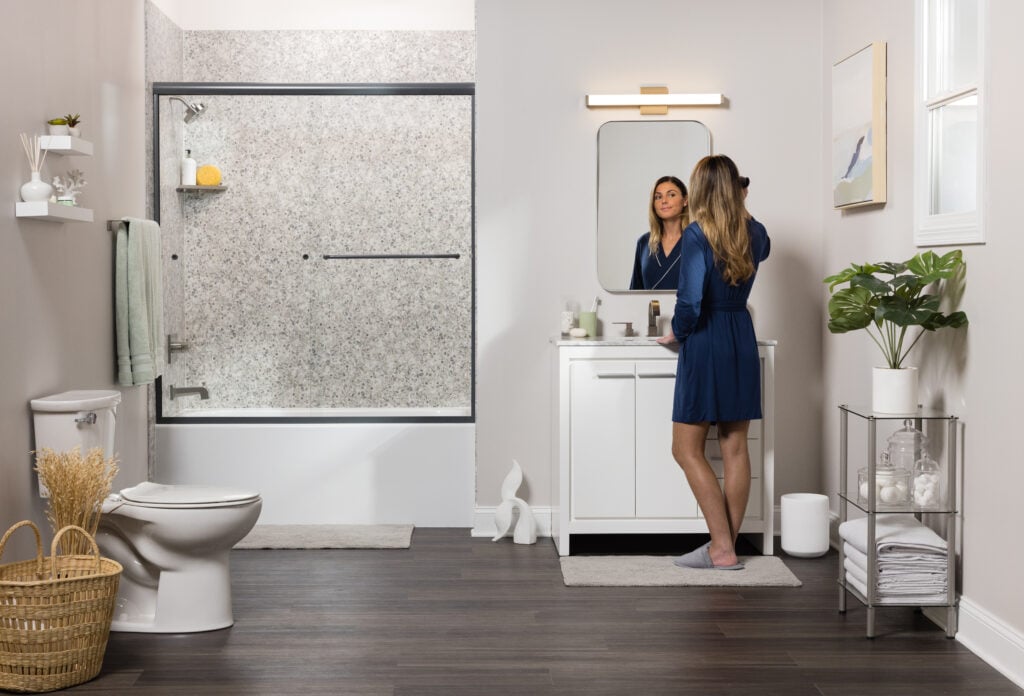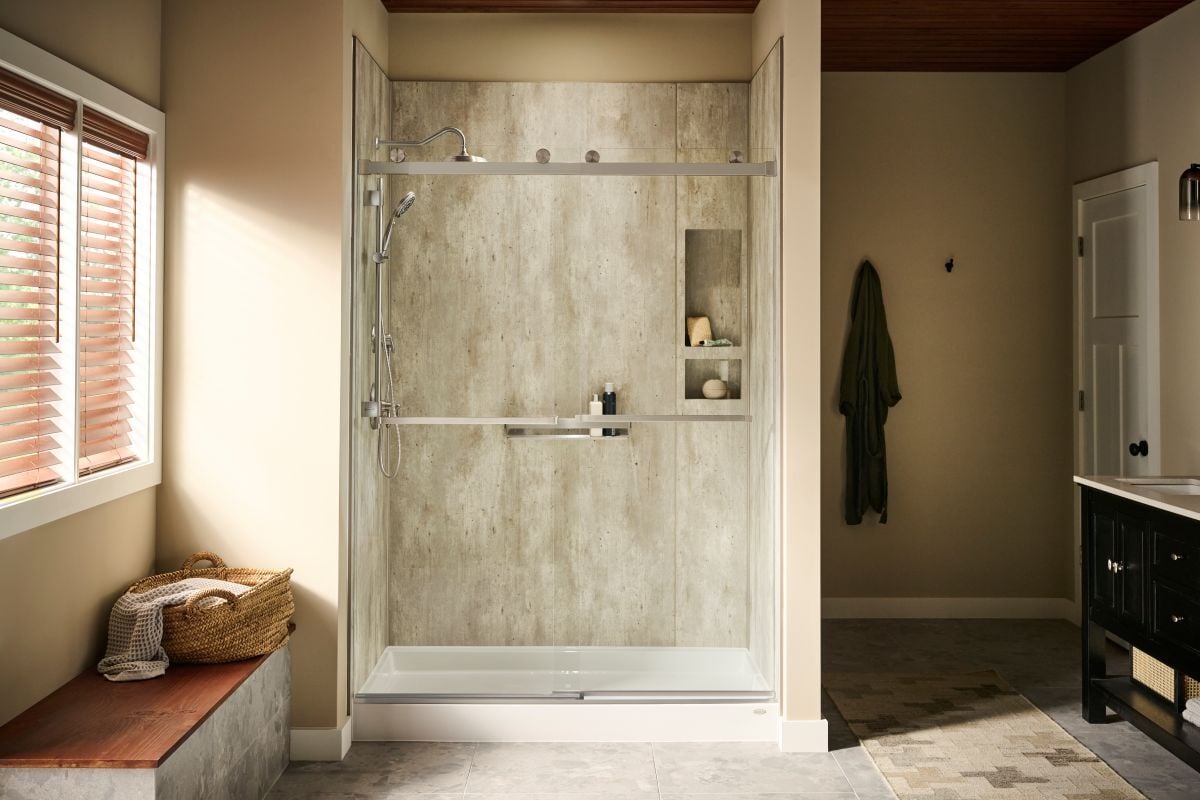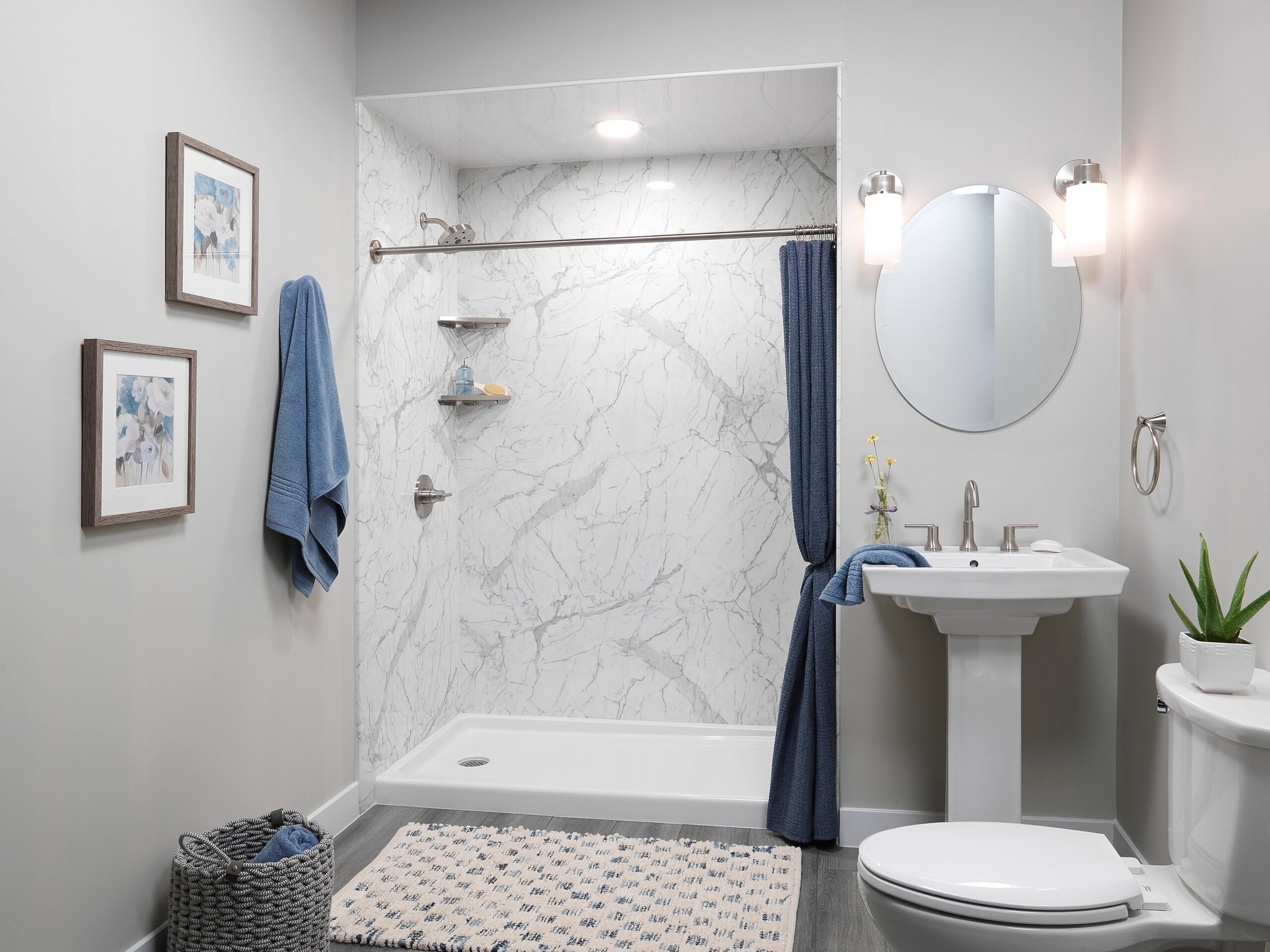
You’re getting ready to remodel your shower, and you know that resurfacing isn’t going to cut it. What you really need is to demolish and rebuild the entire wet area, but what materials should you use going forward? You’ve heard a lot of things (both good and bad) about acrylic, and tile is a classic. How can you choose between an acrylic vs. tile shower?
At ZINTEX Remodeling Group, we specialize in acrylic tub and shower solutions because we believe that acrylic offers some of the best quality at a moderate price point. Does that mean that it’s less likely to develop problems than time-tested tile? We have found that acrylic showers are less problematic than tile, but don’t just take our word for it. Let’s dive into the problems you might have with both to determine which one is the better choice for you.
Table of Contents
- Durability and Average Lifespans
- Cleaning and DIY Upkeep
- Professional Maintenance
- Common Acrylic Shower Problems
- Common Tile Shower Problems
- Acrylic Shower Walls vs. Tile and Grout: The Final Verdict
Acrylic vs. Tile: Durability and Average Lifespans
How long will your new shower last based on the materials you use? With quality products and professional installation, both acrylic and tile have a lifespan of 15-20 years.
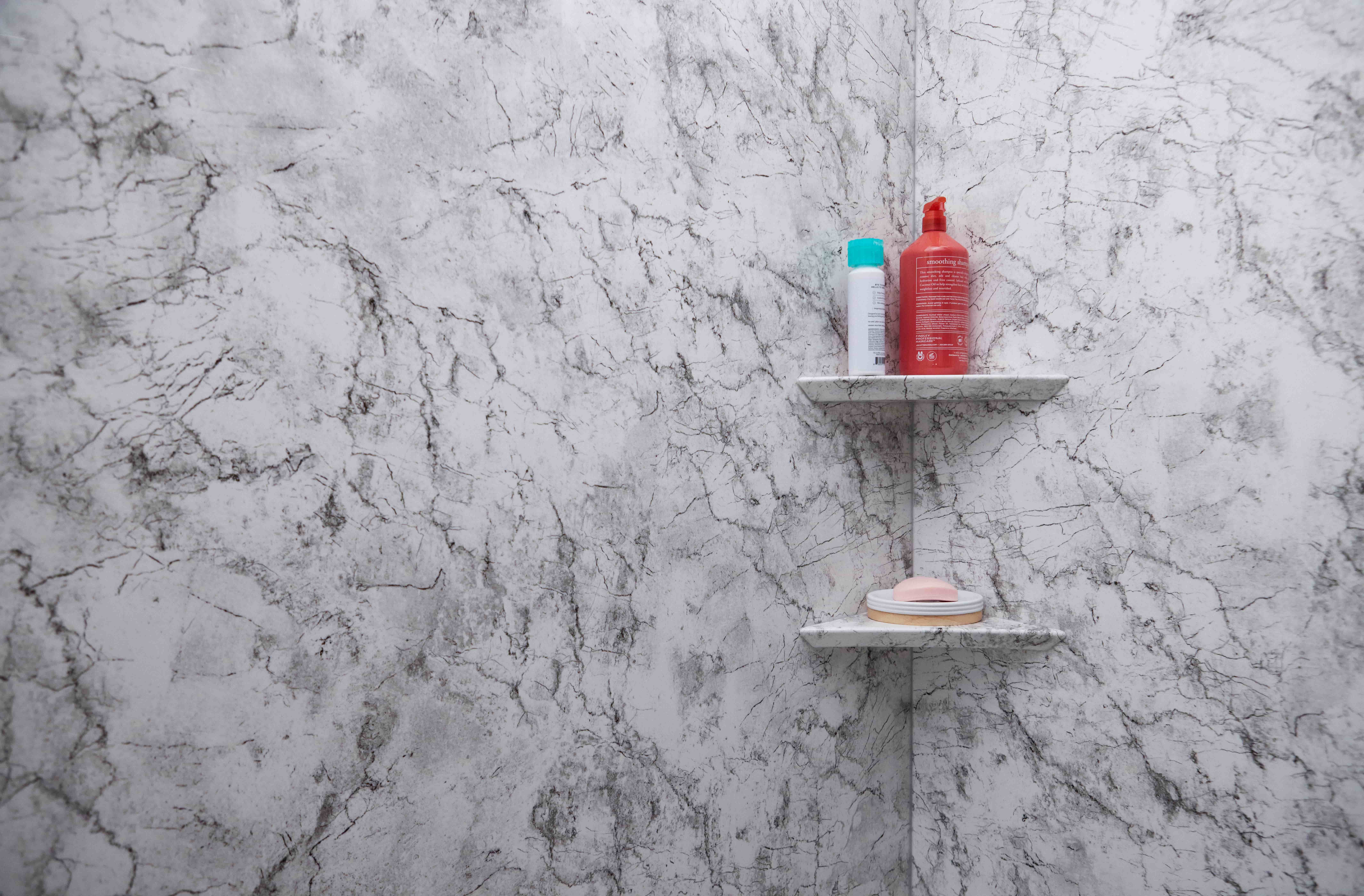
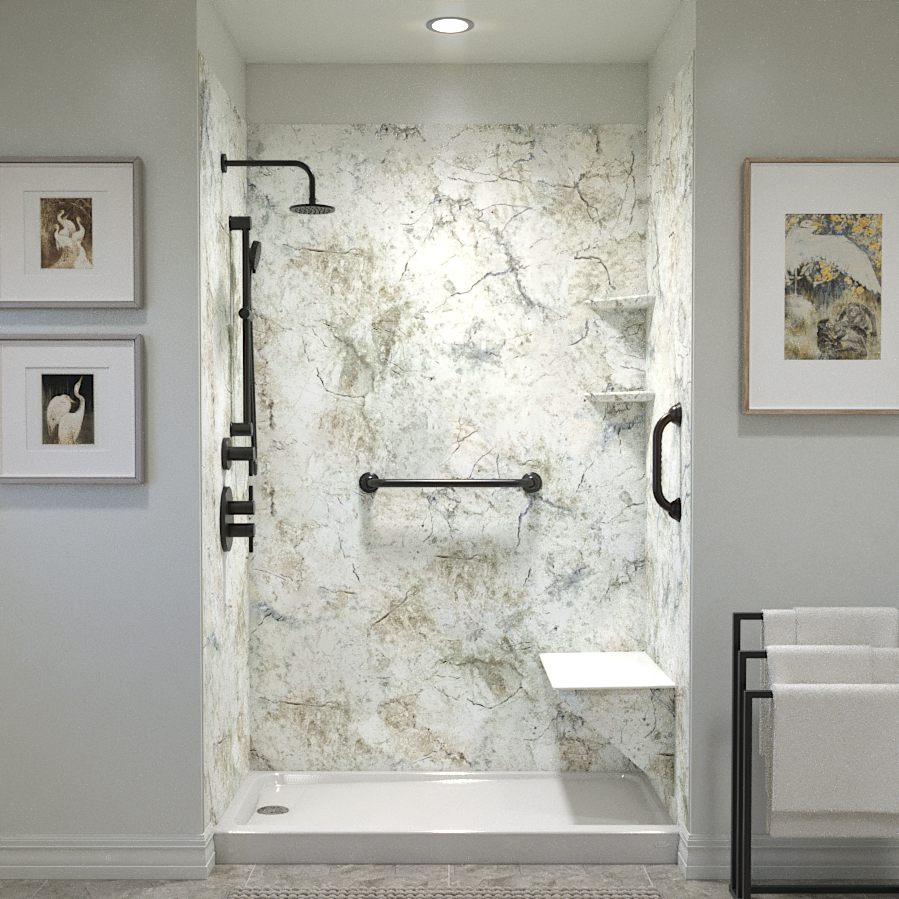
There’s one important exception that can put acrylic in the lead here, and that’s moisture buildup. Acrylic does an excellent job of protecting your interior walls because it’s non-porous. Plus, the only seams in an acrylic shower are in the corners and around the shower base.
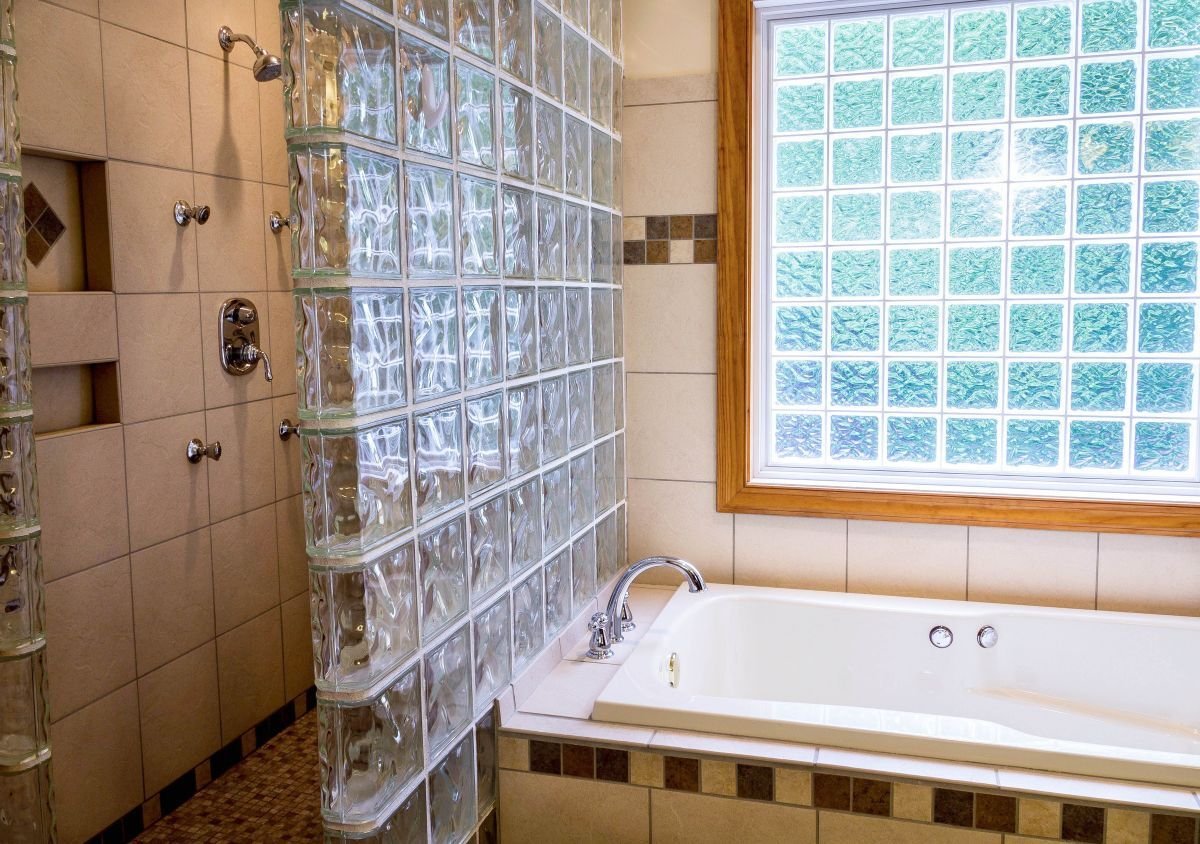
While tile itself can be excellent at resisting water, grout is naturally porous. Unless you invest in regular grout resealing, you’ll eventually see structural water damage and mold growth.

Acrylic vs. Tile: Cleaning and DIY Upkeep
Your DIY cleaning routine will play a major role in preventing common shower problems from developing. The material you choose will play a major role in just how complicated that cleaning routine needs to be.
Acrylic is the easier material to clean and requires minimal elbow grease. When cleaning acrylic shower walls, you can use:
✅Microfiber cloths or terrycloth
✅Mild DIY cleaners (such as one part distilled white vinegar mixed with one part water or a few tablespoons of dish soap mixed into a few cups of water)
✅Multisurface store-bought cleaners that don’t contain bleach or abrasive chemicals (such as 409)
Do not use:
❌Scrubbing brushes or abrasive materials like steel wool, which can scratch acrylic surfaces
❌Harsh chemicals like bleach or ammonia, which can cause discoloration
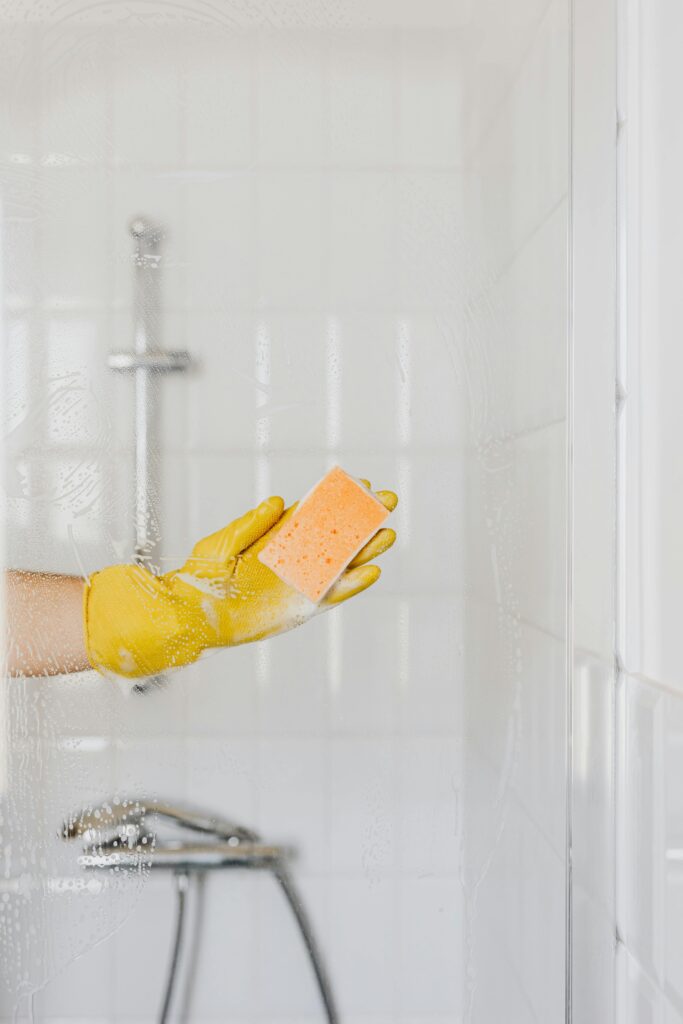
Tile, on the other hand, requires specialty cleaning supplies and quite a bit of elbow grease, especially if you notice mold spores or soap scum taking over your grout. To clean tile, you will need:
✅A soft cloth for the tile and a bristled brush for the grout
✅DIY grout cleaners (such as two parts baking soda combined with one part water to create a paste) or a store bought grout cleaner
✅Store bought cleaners designed for the material your tile is made from (e.g., GLASSGUARD products for glass tile)
Do not use:
❌Harsh chemicals like bleach or ammonia, which can strip sealant from tile and grout
❌Cleaners that aren’t designed for your specific tile materials
Acrylic vs. Tile: Professional Maintenance
What about calling in the pros? With proper DIY care, you probably won’t need professional maintenance often.
That said, it can be easier (and cheaper) to fix damaged tiles than it is to fix a damaged acrylic panel. When the latter gets cracked, the entire thing must be replaced. If a tile cracks, you can typically replace the damaged tile without having to rebuild the entire shower wall.
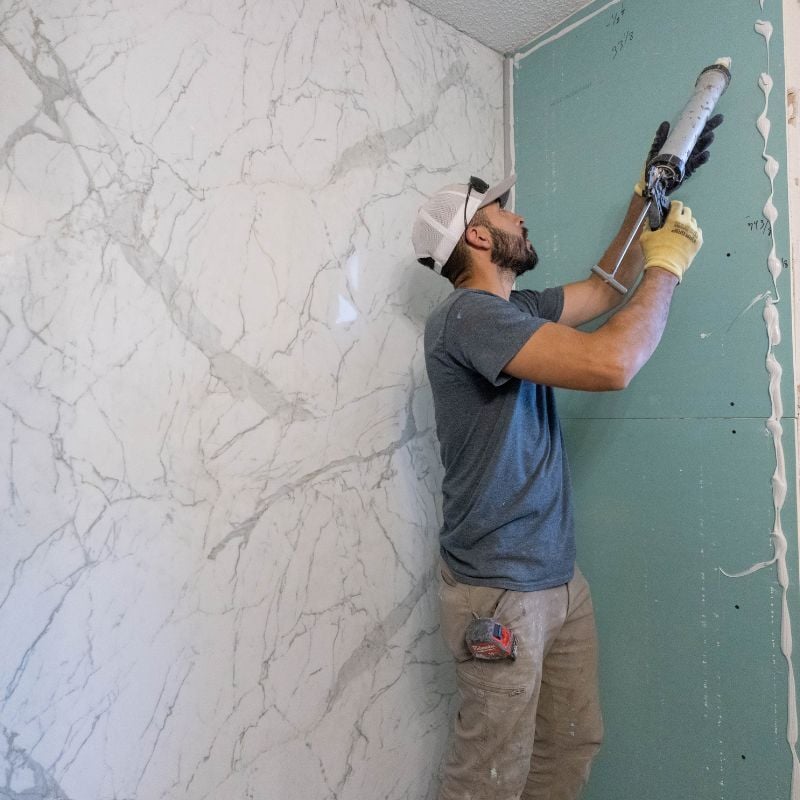
However, let’s revisit the topic of mold growth. DIY methods may be enough to tackle a mold problem in the early stages, but what if you don’t realize right away that mold is growing behind your shower wall?
When facing a major mold problem, you’ll need to invest in professional mold remediation to restore your bathroom and protect your health. Homeowners with tile showers are at higher risk of facing this reality simply because tile and grout aren’t as reliably waterproof as acrylic.
Common Acrylic Shower Problems
Acrylic shower walls are a great mid-range option, but depending on quality and installation, they can be susceptible to certain problems. Acrylic shower problems include:
- Scratching and fading: towards the end of an acrylic shower’s shelf life, you may start to notice scratches and fading caused by wear and tear. This problem can develop faster if you use abrasive scrubbing tools or harsh chemicals.
- Warping or leaks: if you use a DIY shower installation kit or work with an experienced installer, you may not have proper adhesion. This can cause the acrylic wall panels to warp or leak.
- Fewer customization options: some acrylic shower wall specialists may offer fewer design options, making it harder for homeowners to prioritize aesthetics while designing their shower.
Common Tile Shower Problems
Tile has been one of the most popular tub and shower wall surround materials for decades. While it offers great aesthetic versatility, it can also develop problems like:
- Water damage and mold growth: because grout is porous when not properly sealed, it’s more susceptible to water damage and mold growth.
- Cracked or broken tiles: things like heavy impact, abrupt temperature shifts, and settling foundations can cause tile to crack. This can increase the likelihood of developing water damage and mold.
- Crumbling grout: grout typically doesn’t last as long as the tile it holds in place. Before that lifespan of 15-20 years has passed, you may need to regrout your shower to avoid crumbling grout and loose tile.
Acrylic Shower Walls vs. Tile and Grout: The Final Verdict
At the end of the day, both acrylic shower walls and tile can develop problems. Which one is more likely to develop problems? Between acrylic showers vs. tile, tile is more likely to develop problems.
Many of the potential problems acrylic showers can develop are avoidable if you work with the right contractor. For example, proper installation can go a long way toward preventing warping and leaks.
Even with proper installation, tile and grout require more hands-on upkeep to prevent problems. For example, you will need to commit to resealing your grout and eventually replacing it if you want to avoid water damage and crumbling. This is the case even if your initial installation was superb.
If you’re looking for a low-maintenance option that isn’t as likely to develop serious problems, acrylic shower walls are a great choice.
Start Planning Your Shower Remodel Today
When you’re replacing your shower, one of the best things you can do is consider how your new shower will fit into your future life. If you want to spend more time enjoying your shower than stressing over it, acrylic may be the better choice over tile.
At ZINTEX Remodeling, we’re always looking for ways to help customers make the best choices now to support their futures. That includes investing in your shower upgrade at the right time. Up next, take a look at our guide to improving your credit score before starting your bathroom remodel.
FAQs About Acrylic Showers vs. Tile
Q: Are acrylic showers cheaper than tile?
The final cost of your shower will depend on things like the scope of the project and the quality of materials you use. Low-quality tiles can actually cost less than acrylic wall surrounds, but they may cost more to maintain in the future. When we’re talking about a mid-range shower upgrade, you can expect to pay between $11,000-$18,000 for an acrylic shower and $12,000-$20,000 for a tile shower. (Both of these price ranges account for labor and customizations in addition to materials.)
Q: Do acrylic showers have a good ROI?
Acrylic showers fall into the mid-range bathroom category. At this level, your bathroom renovation can yield an ROI of up to 73%. Ultimately, your bathroom remodel ROI will also reflect the condition and age of your shower at the time of your home sale. You may not see that maximum 73% if you remodel your bathroom and live in your home for a few years before selling it. That said, a durable acrylic shower won’t depreciate as much as poorly maintained tile.
Q: Is tile waterproof?
Because tile is commonly used in wet areas like your tub or shower, you may assume that it’s one of the most waterproof materials available. The truth is that even large tiles require far more exposed seams than something like solid surface stone or acrylic. Furthermore, grout is extremely porous when not properly sealed. All of that exposed grout can eventually become susceptible to water damage and mold growth if you don’t reseal it often.
Topics:








.png?width=1280&height=720&name=Red%20And%20Black%20Modern%20Tips%20%26%20Trick%20YouTube%20Thumbnail%20(9).png)