You’re ready to invest in a tub or shower remodel, largely because your current shower has been overtaken by mold growth. The last thing you want is to design a brand-new walk in shower or tub and shower combo only to have mold rear its ugly head again. You’ve heard promising things about acrylic shower wall panels, particularly when it comes to waterproofing and mold resistance, but what if it’s too good to be true?
As a top bathroom remodeling company in Texas, Arkansas, Mississippi, and beyond, ZINTEX knows a thing or two about shower wall materials and long-term maintenance. Over the years, we’ve come to specialize in acrylic shower wall panels because we believe in their quality, durability, and aesthetic. Can they grow mold? The short answer is yes, acrylic shower walls can grow mold, but it’s much easier to prevent mold growth on acrylic showers than on other materials. Read on to find out more.
Table of Contents
- What Causes Mold in Showers?
- Can Mold Grow in Acrylic Showers?
- How Can I Prevent Mold Growth in My Acrylic Shower?
What Conditions Make a Shower Most Susceptible to Mold Growth?
Mold only needs a few things to survive: a relatively warm environment, a small amount of organic matter to consume, and a consistent source of moisture. A frequently used shower can check every one of those boxes, particularly if:
- Your bathroom has poor ventilation. Without a functional exhaust fan (or, at the very least, a cracked window), each shower or bath you take introduces more humidity to your bathroom that can take hours to dissipate.
- Your shower or tub floor is uneven. If the base of your wet area slopes away from the drain, you’re going to notice puddles of standing water after a shower or bath. Depending on how frequently you use that shower or tub, these puddles may never dry out.
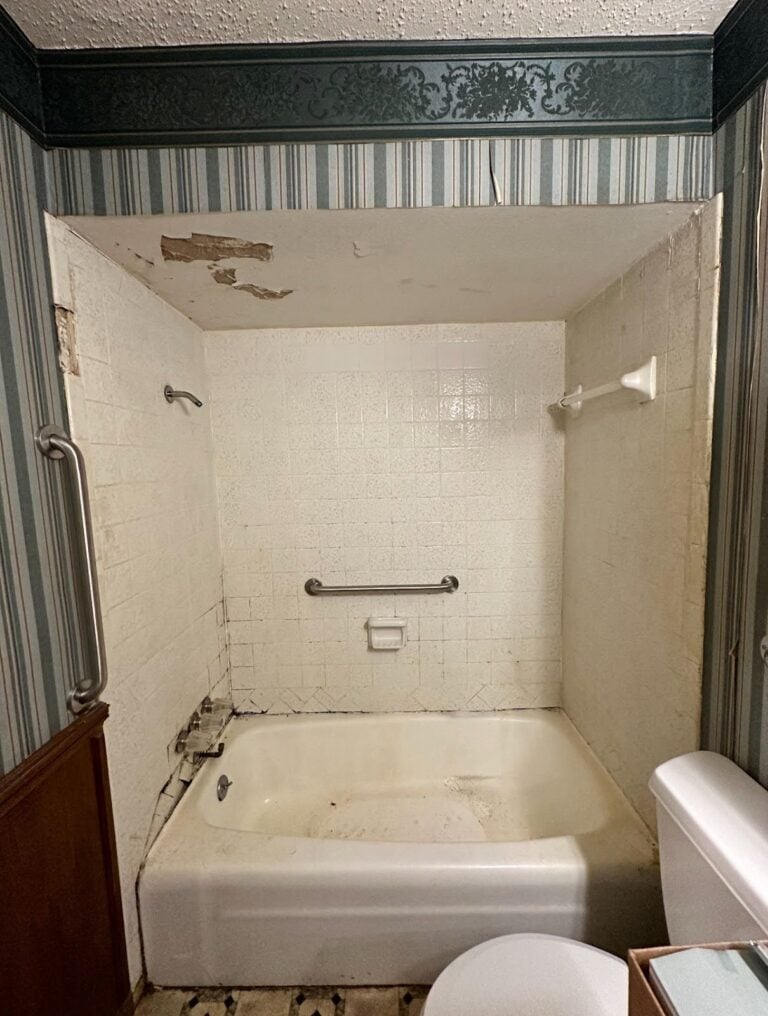
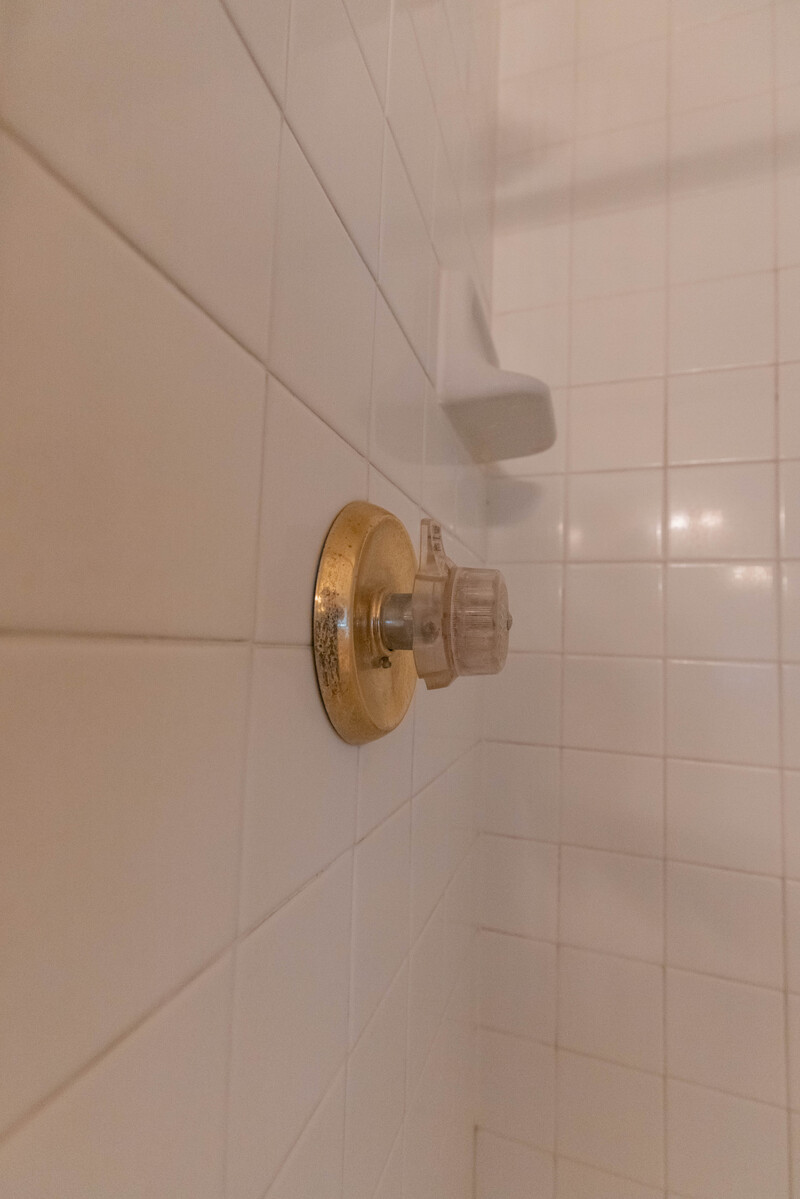
- Your shower walls have porous seams or cracks. For a few reasons, these nooks, crannies, and seams can become a hotbed of mold growth. For starters, they may hold moisture long after the surface of your shower dries. Additionally, they may offer the “food” source mold needs to thrive. Grout is one of the biggest culprits because once its waterproof seal wears down, it’s an extremely porous surface that holds moisture and offers a food source to mold spores.
You really only need one of these conditions to start noticing those unwanted brown, gray, green, or white spots spreading across your shower. In an outdated bathroom that hasn’t been retrofitted with any modern features, like new exhaust fans, you may encounter all three at once.
Can Acrylic Shower Walls Grow Mold?
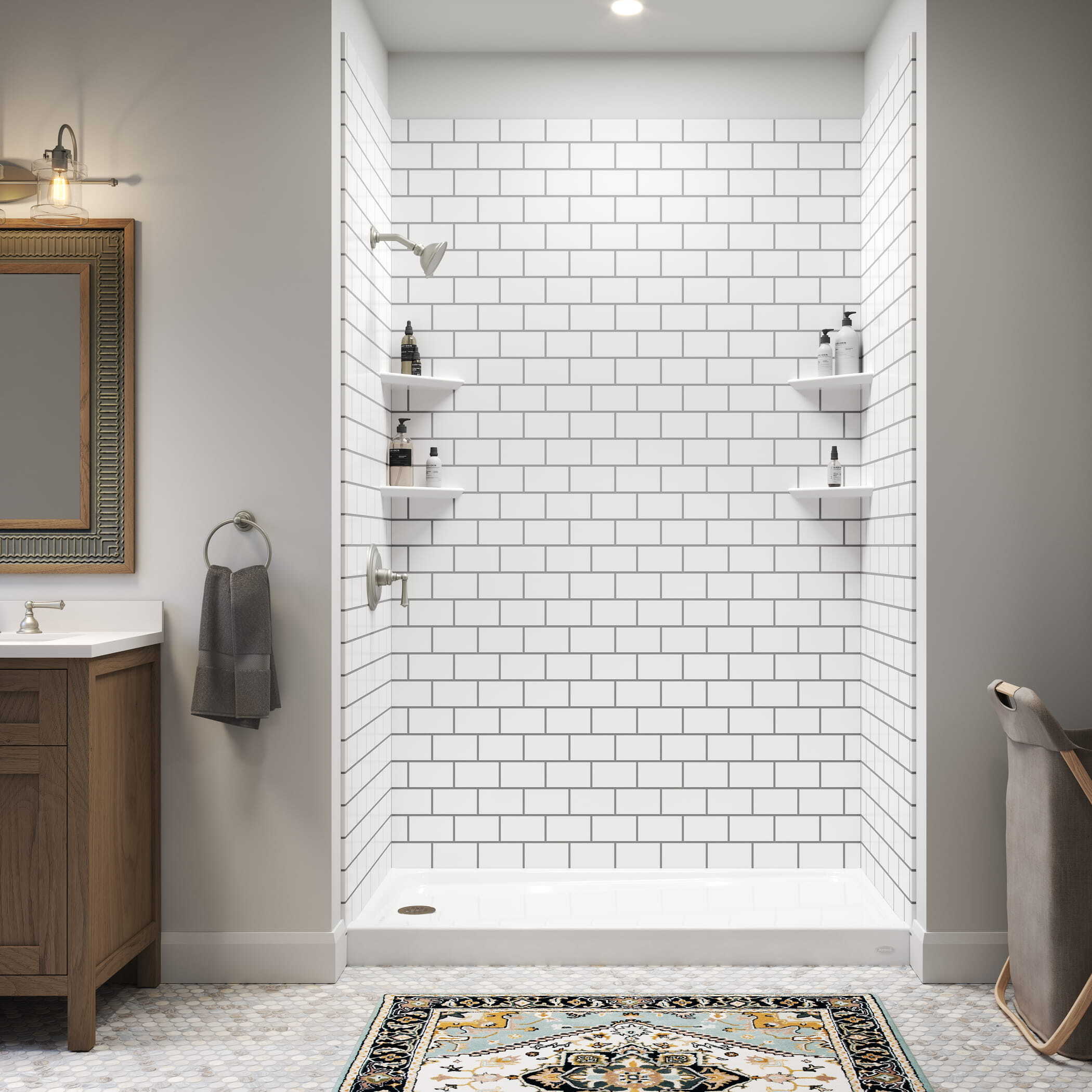
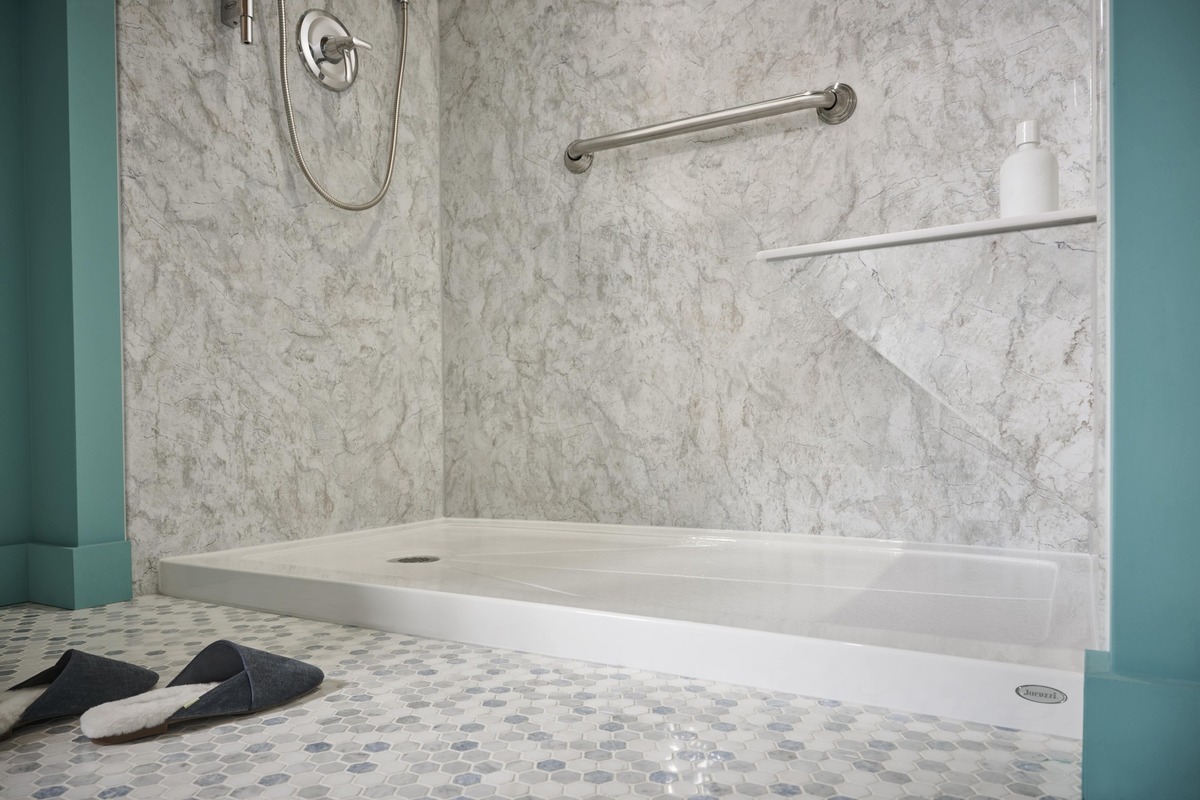
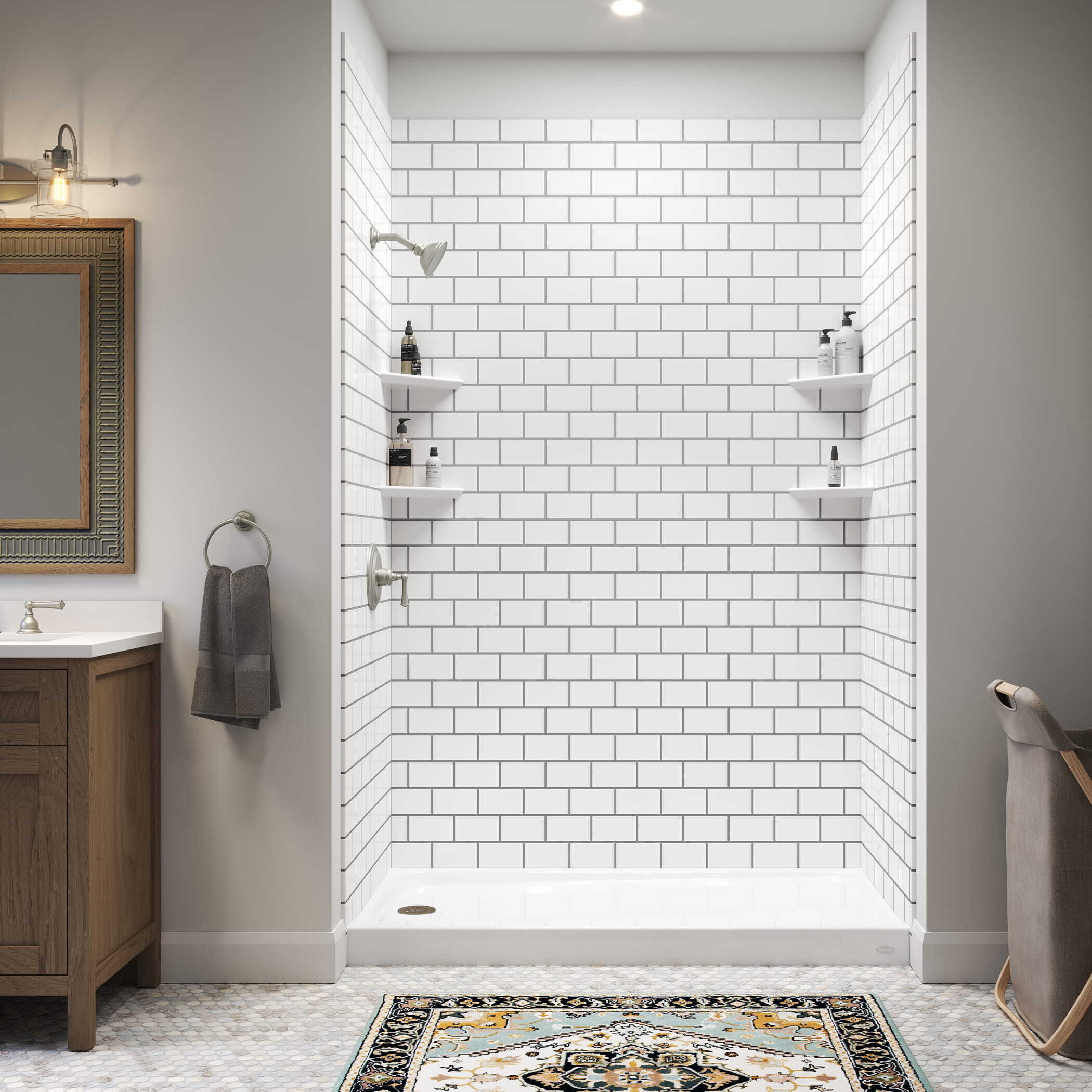
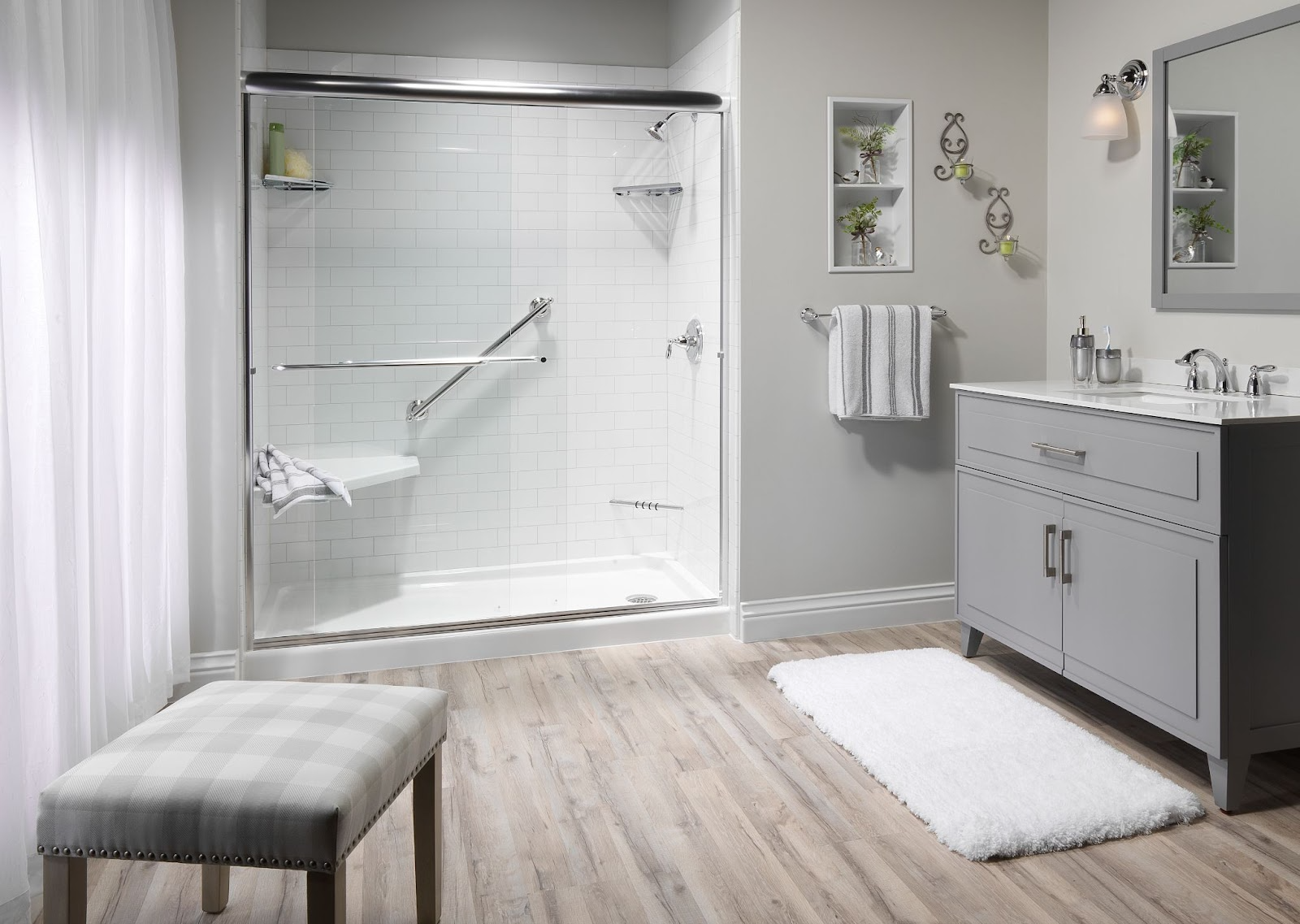
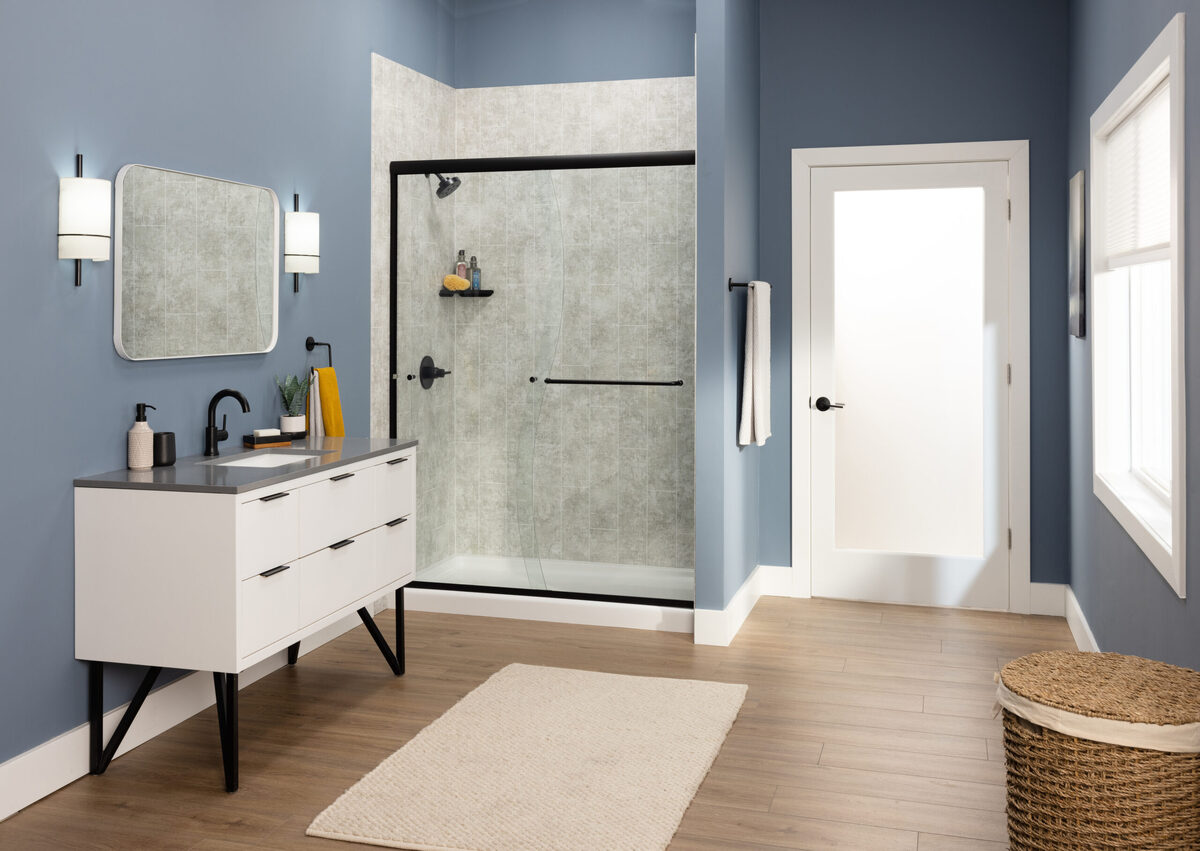
Unlike shower wall materials like tile, acrylic showers do not have exposed grout lines. In fact, acrylic shower walls are constructed from solid surface panels and only have seams in the corners and around the edge of the shower base. Already, this is a less hospitable environment for mold than something like an intricate tile shower.
That said, improper sealing methods (or the wrong type of sealant) can still expose your acrylic shower to an increased risk of mold growth. Hiring a trusted bathroom remodeling contractor with proven experience in acrylic shower systems is a must to avoid this potential pitfall.
It’s also important to note that any shower can grow mold (or accumulate soap scum and other unwanted grime) if it isn’t cleaned regularly. Fortunately, acrylic panels make for easy-to-clean showers. We’ll share tips for proper acrylic shower cleaning below.
Top Tips for Preventing Mold Growth in Your Acrylic Walk-In Shower or Acrylic Tub
Acrylic showers may not be particularly susceptible to mold growth, especially compared to tile showers with tons of exposed grout. However, you can further reduce that risk by following these tips for preventing acrylic shower mold growth.
Make Sure Your Contractor Levels Your Shower Base
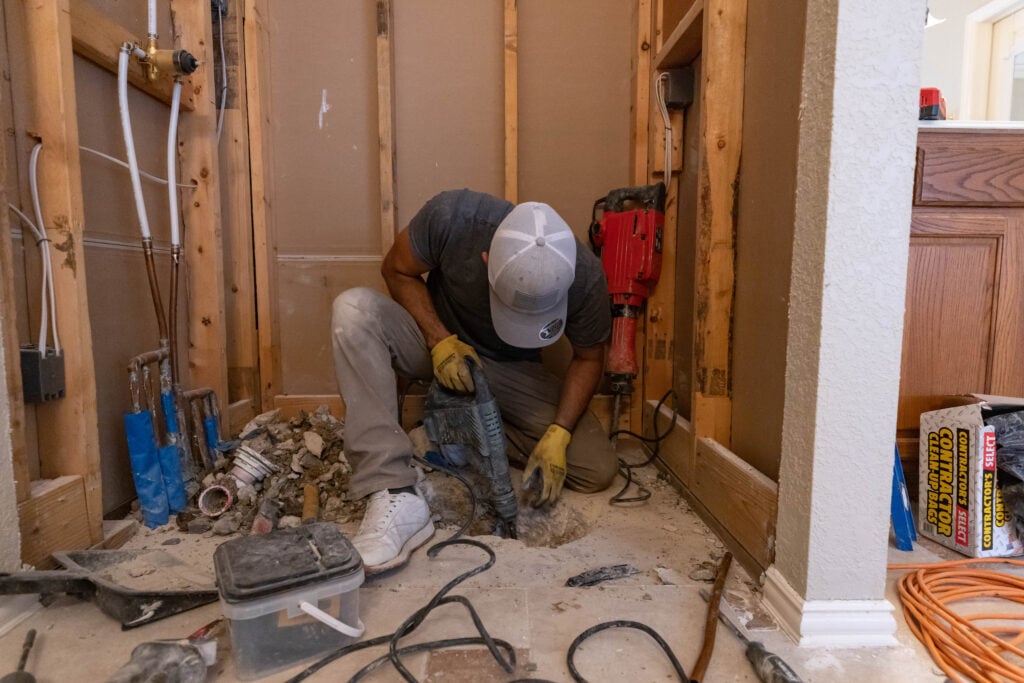
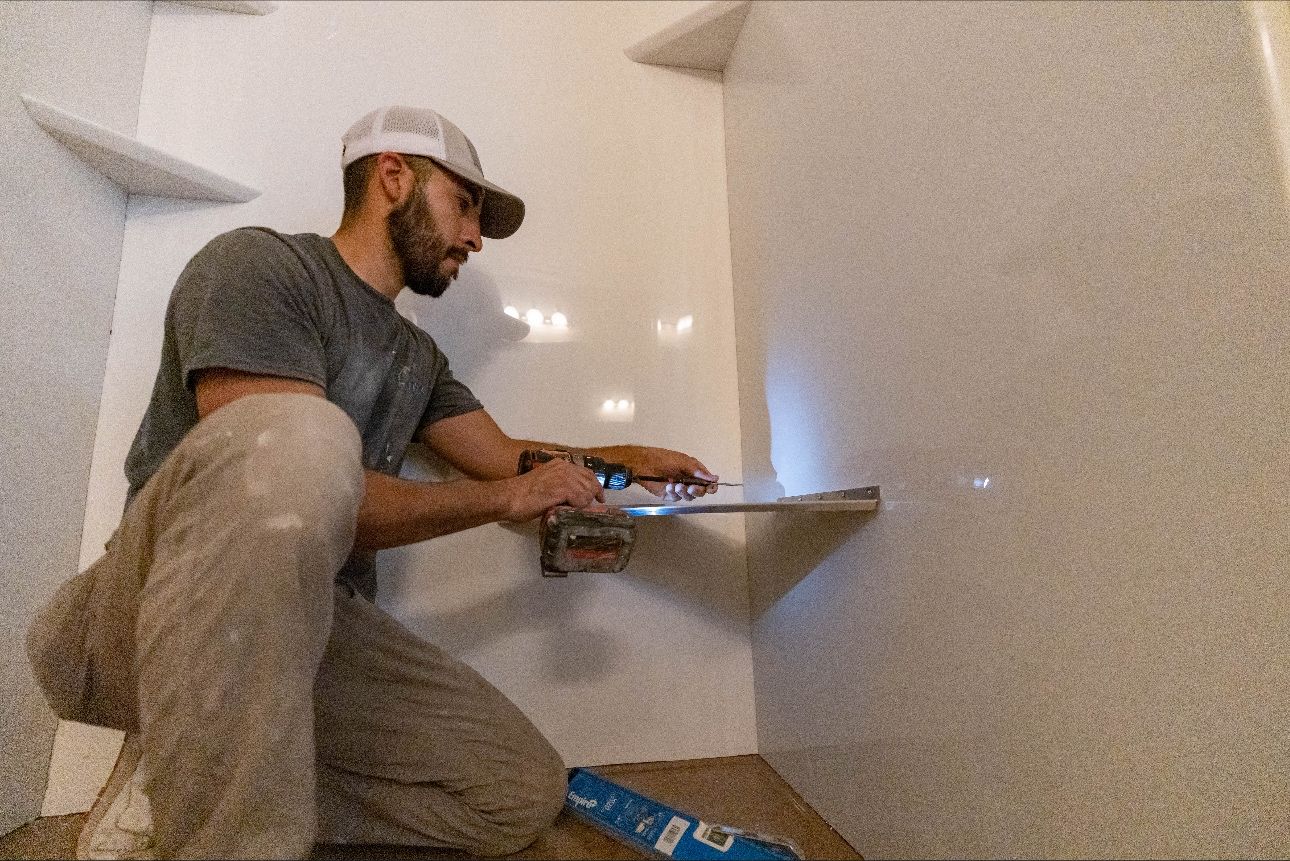
Between the demolition of old materials and your new walk-in shower installation, your bathroom contractor should make as-needed structural repairs and upgrades. This includes leveling the foundation beneath your shower base. As we mentioned already, slopes and dips in your shower base will create puddles that keep your shower damp long after your shower is done.
What if your contractor says they don’t do this type of work? Find a better remodeler. Any company that doesn’t do structural repairs is basically charging professional rates to install pre-fab shower inserts and leaving customers susceptible to problems in the near future.
Improve Bathroom Ventilation
Replacing your current shower with a new acrylic shower can do a lot to upgrade your bathroom, but it can’t solve an existing ventilation problem. Without improving ventilation, you’ll find yourself facing high humidity and mold growth in other areas of the bathroom, even if your shower is mold-free.
You may find that DIY methods are enough to restore your bathroom ventilation to full power. Depending on the age of your home and the condition of your bathroom’s exhaust fan, you may need to call in a professional for deep cleaning or exhaust fan replacement.
Pay Close Attention to Nooks, Crannies, and Seams
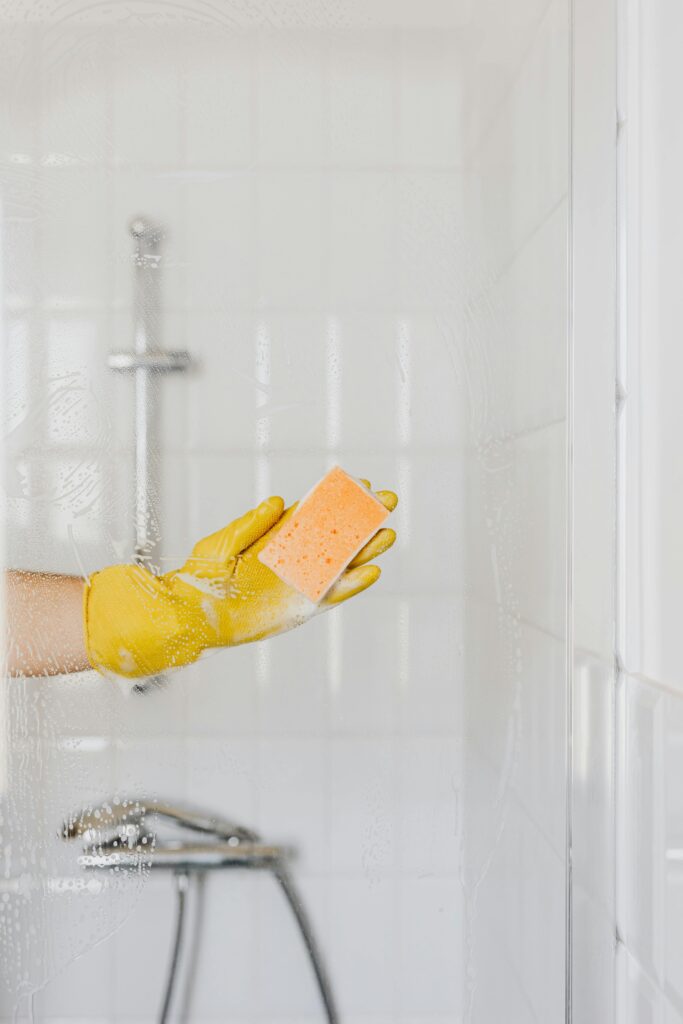
On a weekly basis, wiping down your acrylic shower wall panels using a mild detergent should be enough to maintain shine and prevent soap scum. When cleaning your acrylic bathtub or shower, do use:
✅Soft cloths like microfiber or terrycloth
✅Mild DIY cleaners (such as one part distilled white vinegar mixed with one part water or a few tablespoons of dish soap mixed into a few cups of water)
✅Multi-surface store-bought cleaners that don’t contain bleach or abrasive chemicals (such as 409)
Do not use:
❌Scrubbing brushes or abrasive materials like steel wool
❌Harsh chemicals like bleach or ammonia
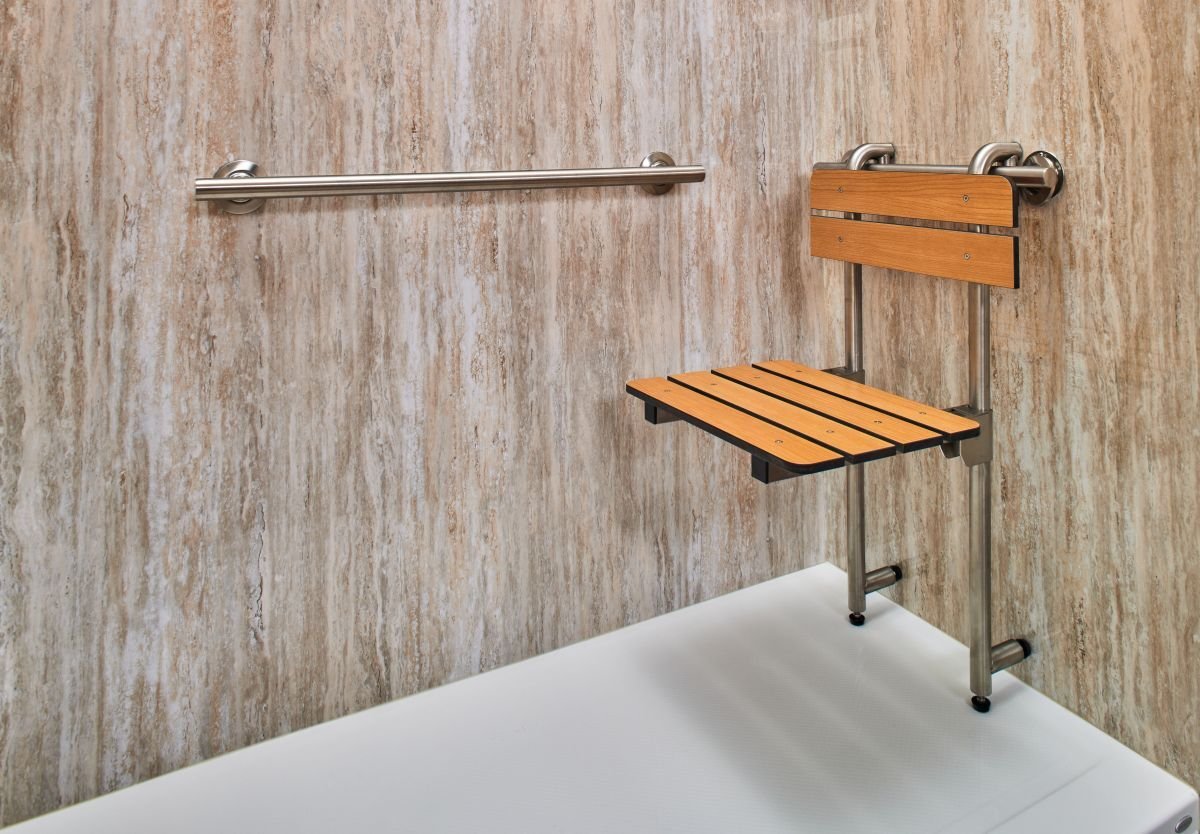
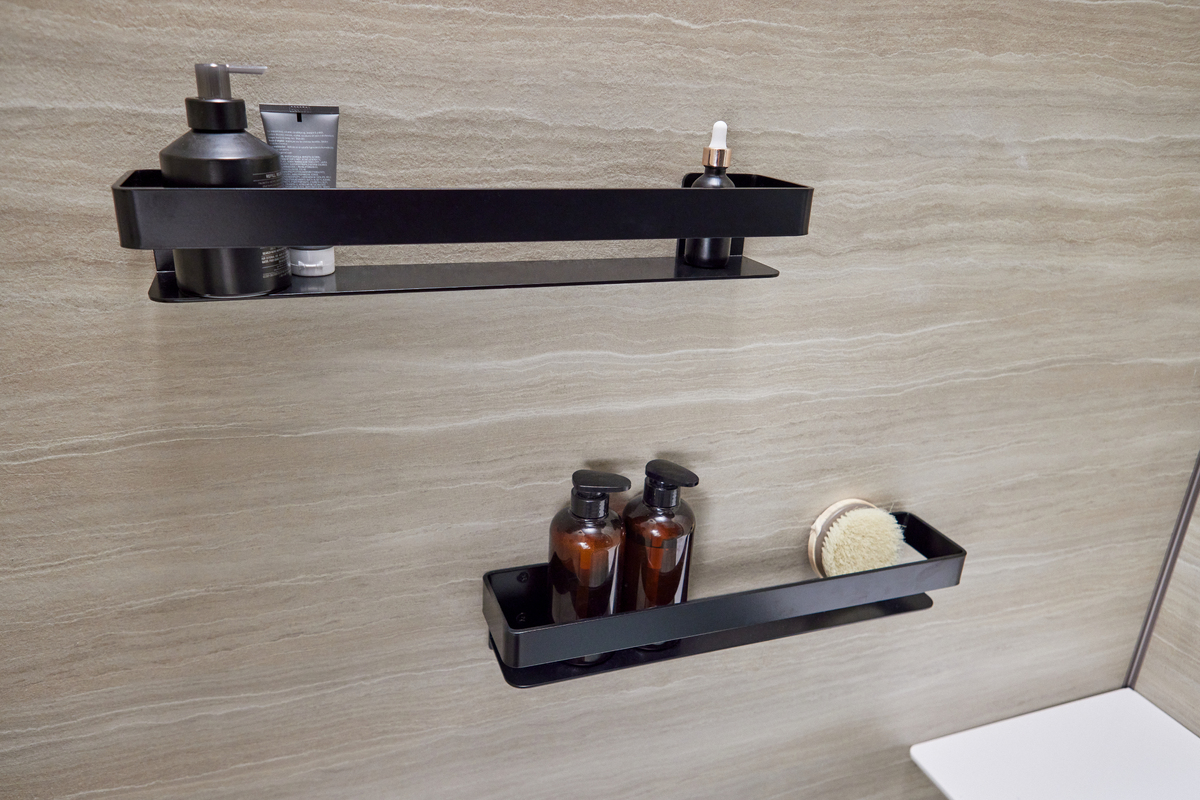
While the panels themselves are smooth and non-porous, certain design features may accumulate water that takes longer to dry and could encourage mold growth. At least once every two or three weeks, make sure you’re giving any seams, nooks, and crannies special attention. This includes features like soap niches, built-in seating, and shower caddies. You may find that a small, soft-bristled brush (even a toothbrush) can help to work your detergent into these hard-to-reach spaces.
Learn More About Acrylic Bathroom Remodeling with ZINTEX
One thing is for sure: you’re tired of fighting mold growth in your shower. Now you know that while acrylic shower walls are some of the best at preventing mold, there are still a few things you can do to keep your acrylic shower mold-free.
ZINTEX Remodeling Group is more than just a shower renovation company. We’re leading experts in acrylic bathroom solutions, and we’ve helped tens of thousands of homeowners make smart, accessible bathroom upgrades that work for the long-term. Discover the ZINTEX walk in shower installation process today.
Topics:



.png?width=1280&height=720&name=Red%20And%20Black%20Modern%20Tips%20%26%20Trick%20YouTube%20Thumbnail%20(9).png)
.jpg?width=2227&height=1468&name=Jacuzzi%20walk%20in%20shower%20SB_ReplacementShower_SM_Smooth_Prairie_CH_Riempi_5-2227x1468-9a9c4a83-1cfc-49d1-9ccd-15d60600cb72%20(1).jpg)