You suspect that you have mold in your bathroom, and you’ve certainly heard some concerning things about indoor mold growth. Is it time to raise the alarm bells and call in the professionals, or can some simple DIY cleaning do the trick?
At ZINTEX Remodeling Group, we’ve replaced thousands of old tubs and showers, and our team has seen what mold growth can do when left to spread. However, we’re not interested in scaring you with myths and hyperboles, either. Read on to discover the real effects of mold in the bathroom and what you can do to get rid of it.
Table of Contents
- Health Effects of Mold
- Mold and Home Damage
- How to Get Rid of Bathroom Mold
- Mold-Resistant Shower Materials
Signs of Mold in the Bathroom
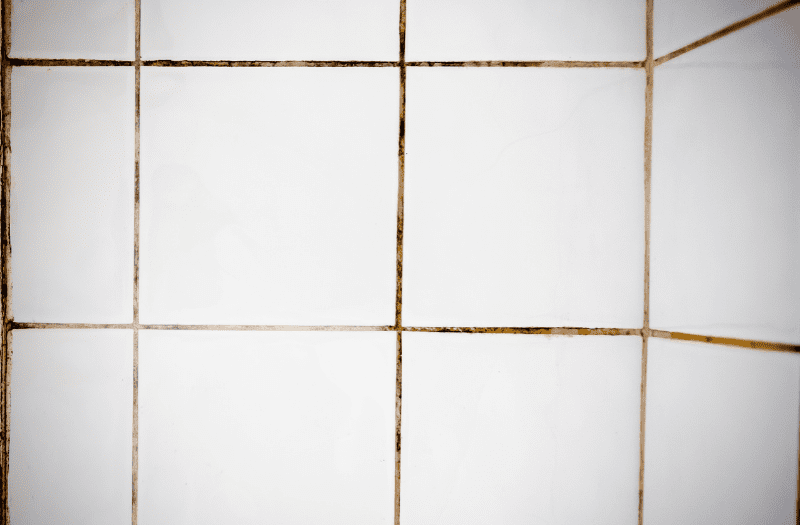
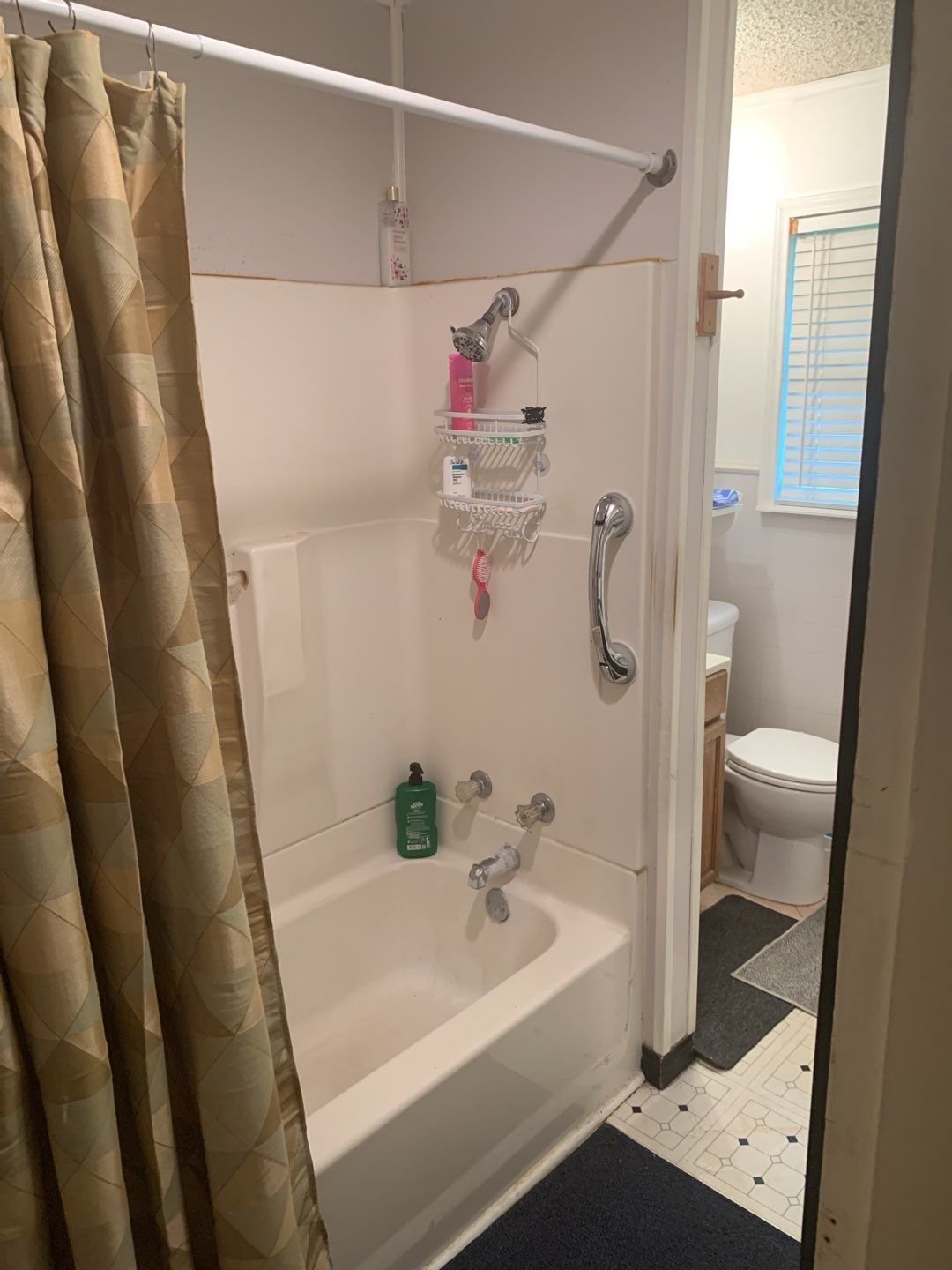
More often than not, mold has become visibly obvious by the time homeowners are starting to take notice. Mold tends to grow in patches or clusters and look black (which isn’t always the nefarious black mold), grey, green, or white in color. You’ll often find it growing in damp spots like your shower, particularly on porous surfaces like grout or sealant.
In addition to visual signs of mold, you may also start to notice odors that homeowners often describe as earthy, musty, or even sulfurous (think rotten eggs). Mold smells tend to become most noticeable when they’re trapped. For example, you may realize you have mold growing under your bathroom sink when you open the vanity cabinet and catch a whiff of something unpleasant.
Maybe you don’t see or smell mold, but you’ve noticed that your bathroom has high humidity even in the hours between shower or tub use. If you’re lucky, you can intervene before it’s too late. Improving ventilation is a must to reduce humidity levels and deprive mold of its primary growing condition: moisture.
How Does Mold Affect Your Health?
There is a lot of debate around what impact mold has on human health, particularly in regard to something called mold toxicity. Mold toxicity is considered by some to cause symptoms like joint pain, fatigue, and even mental confusion. Real research linking mold to these symptoms, however, is hard to come by.
What isn’t up for debate is that many people are allergic to mold. If you have a mold allergy, you may experience symptoms like:
- Sneezing and runny nose
- Itchiness in the nose, eyes, and throat
- Coughing
- Dry, itchy skin
Mold allergies tend to be most common in people who have existing respiratory issues, particularly asthma. If you have both asthma and mold allergies, mold in your bathroom can increase or exacerbate symptoms like:
- Coughing
- Wheezing
- Shortness of breath
To make matters a little more complicated, prolonged exposure to mold can increase your risk of developing a mold allergy. In other words, you may not react much to the mold in your bathroom at first, but this could change over time.
How Does Mold Affect Your Home?
Maybe you’re one of the lucky ones who never seems to develop a mold allergy, no matter how long mold continues to grow in your bathroom. Does that mean there is no real reason to try to get rid of it?
Mold can do more than impact human health. It can also do damage to your property.
As we already discussed, mold rarely stays on the surface of a shower wall. If you can see it, there’s probably plenty more to find behind the walls, and this is where the structural damage is occurring. That constant dampness and mold growth can start to weaken wooden beams and drywall.
Plus, mold isn't just an unpleasant thing to see and smell. If you have any intention of selling your home, you’re going to have to either eradicate the mold first or accept a serious price cut on your property value.
How to Get Rid of Mold in Your Bathroom
There are three key steps to getting rid of mold in a bathroom:
- Find and eliminate the source: Mold growth indicates an overabundance of moisture, whether that’s from poor shower drainage, a leaking pipe, or poor ventilation. Figure out where that moisture is coming from and take appropriate steps to fix the problem.
- Kill and remove mold where possible: Use a mold-killing agent, whether that’s something like white vinegar or a store-bought mold cleaner, to kill and remove all visible mold.
- Replace unsalvageable materials: Depending on where the mold was growing and how widespread the mold growth has become, you may not be able to kill and remove all of it. For example, it can be really difficult to remove all mold from porous materials like grout or drywall. Any materials that can’t be cleaned should be replaced.
Keep in mind that mold spores can easily become airborne! If you choose to go the DIY mold removal route, wear protective gear like an N95 mask, especially if you suspect you may have a mold allergy.
Should You Replace Your Moldy Shower?
You may be able to address mild mold growth in your shower or tub by following the first two steps on our list above. In other words, eliminating the source and removing the existing mold could do the trick if you’ve got the benefits of early detection and minimal spread.
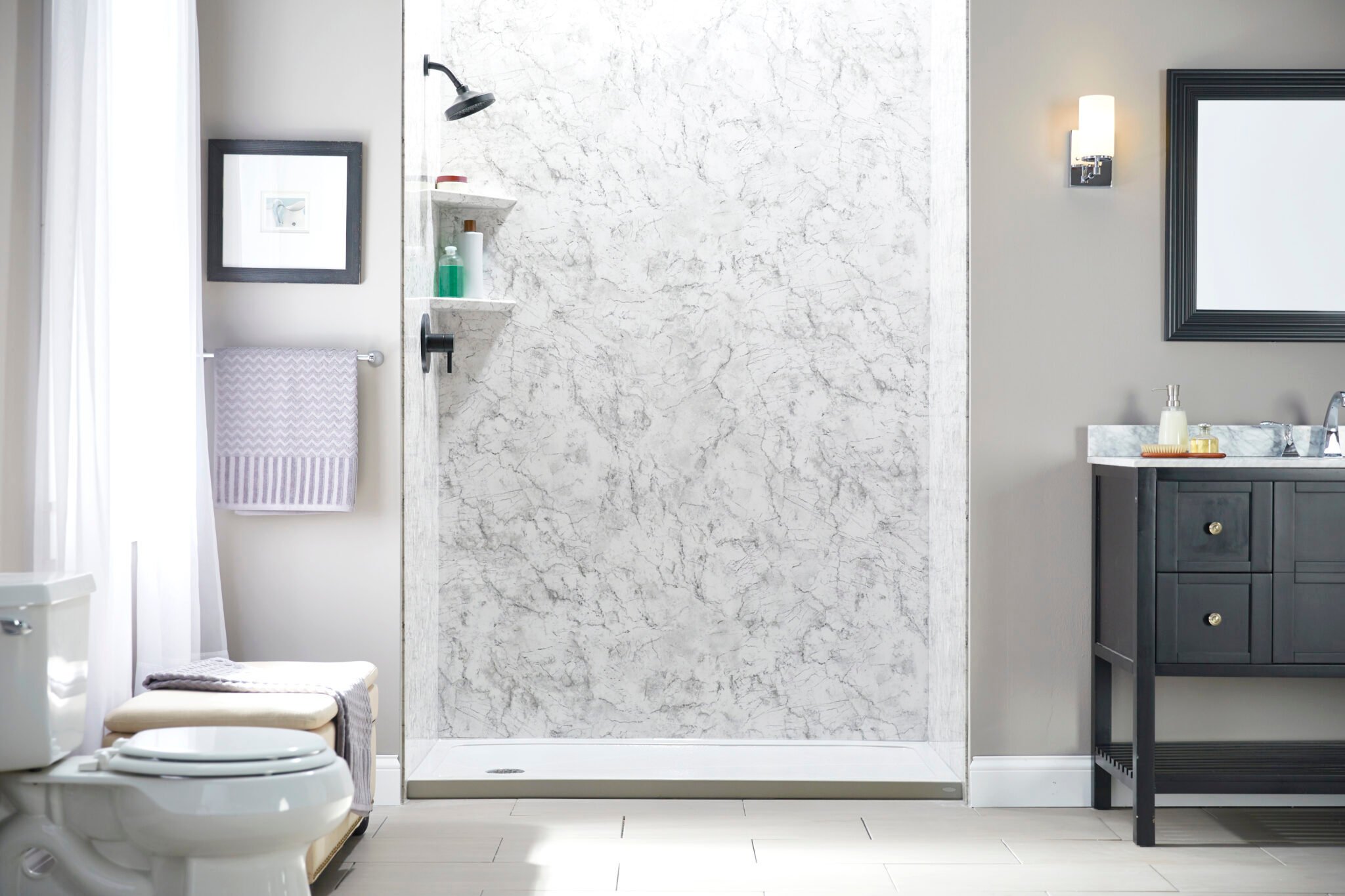
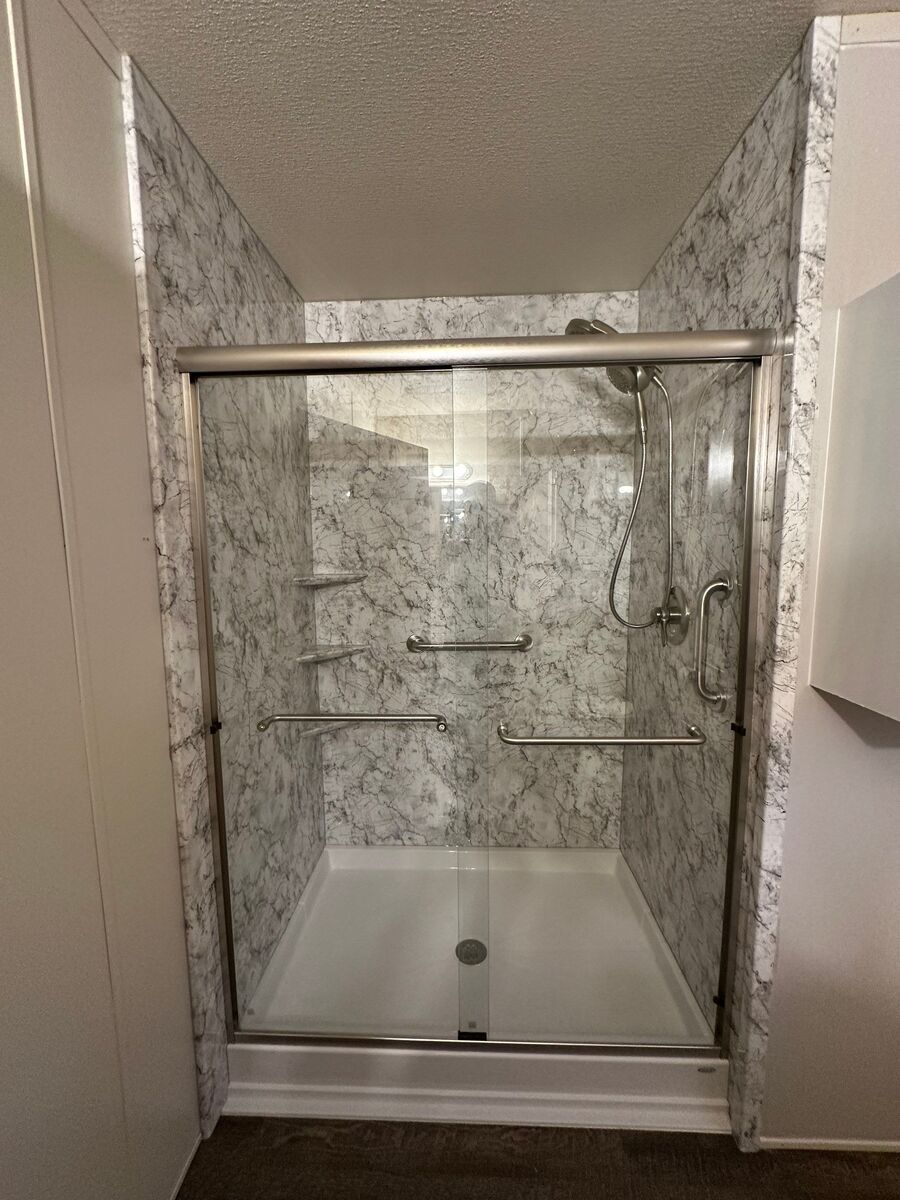
Once you have to incorporate step three extensively (replacing unsalvageable materials), it’s time to think about shower replacement. If you’re already removing all that old tile and grout anyway, you might as well use the opportunity to not only upgrade, but upgrade to something much more mold resistant.
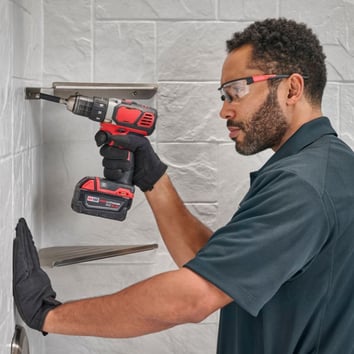
Which Shower Wall Materials Are Most Mold-Resistant?
Mold in the bathroom may not be quite as detrimental as what you’ve seen online, but it’s certainly not good for your health or your home. With this guide, you can detect mold and react appropriately, taking extra care if someone in your household has mold allergies.
What’s next? At ZINTEX, we firmly believe in delivering shower systems that are built to last, and that includes resisting water damage and mold. Could acrylic be the right solution? Find out in this guide to acrylic shower mold susceptibility.
Topics:

.jpg?width=5400&height=3038&name=JBR_Windstorm_Marble_Smooth_Multi-Function_Shower_Spa_System_Chrome_Lifestyle_Base_Alabaster_White_Grab_Bar_Chrome_Prairie_Corner_Shelf_Windstorm_Marble_Bench_Seat_Windstorm_Marble_Alabaster_White%20(1).jpg)

.jpg?width=2100&height=1400&name=JBR_Wall_CrystalFrost_DualBypassDoors_Tal_Lifestyle_01-2100x1400-c185e8dd-df15-4cf3-9c52-ab2371ab98b1%20(1).jpg)
.jpg?width=1600&height=900&name=JBR_DealerKit_Hero_CrystalFrost_1600x900%20(1).jpg)