Tile is one of the most common shower wall materials you’ll find in homes across the country, particularly in 20th-century homes. Tile has a certain aesthetic charm that’s hard to beat, but it also comes with some significant problems. What are those problems, are they preventable, and is there an alternative shower wall material to use instead?
At ZINTEX Remodeling Group, we’ve decided not to use tile and grout, and instead use acrylic shower wall panels. That said, we’ve replaced thousands of tile showers and have become very familiar with the problems that arise due to tile and grout. Read on as we share what those problems are, what to do about them, and what materials to consider for your new tub and shower combination or walk in shower.
Table of Contents
- Tile Shower Mold Growth
- Drainage Problems from Poor Slope
- Cracks and Loose Tiles
- What Shower Materials Prevent Common Problems?
Faulty Waterproofing
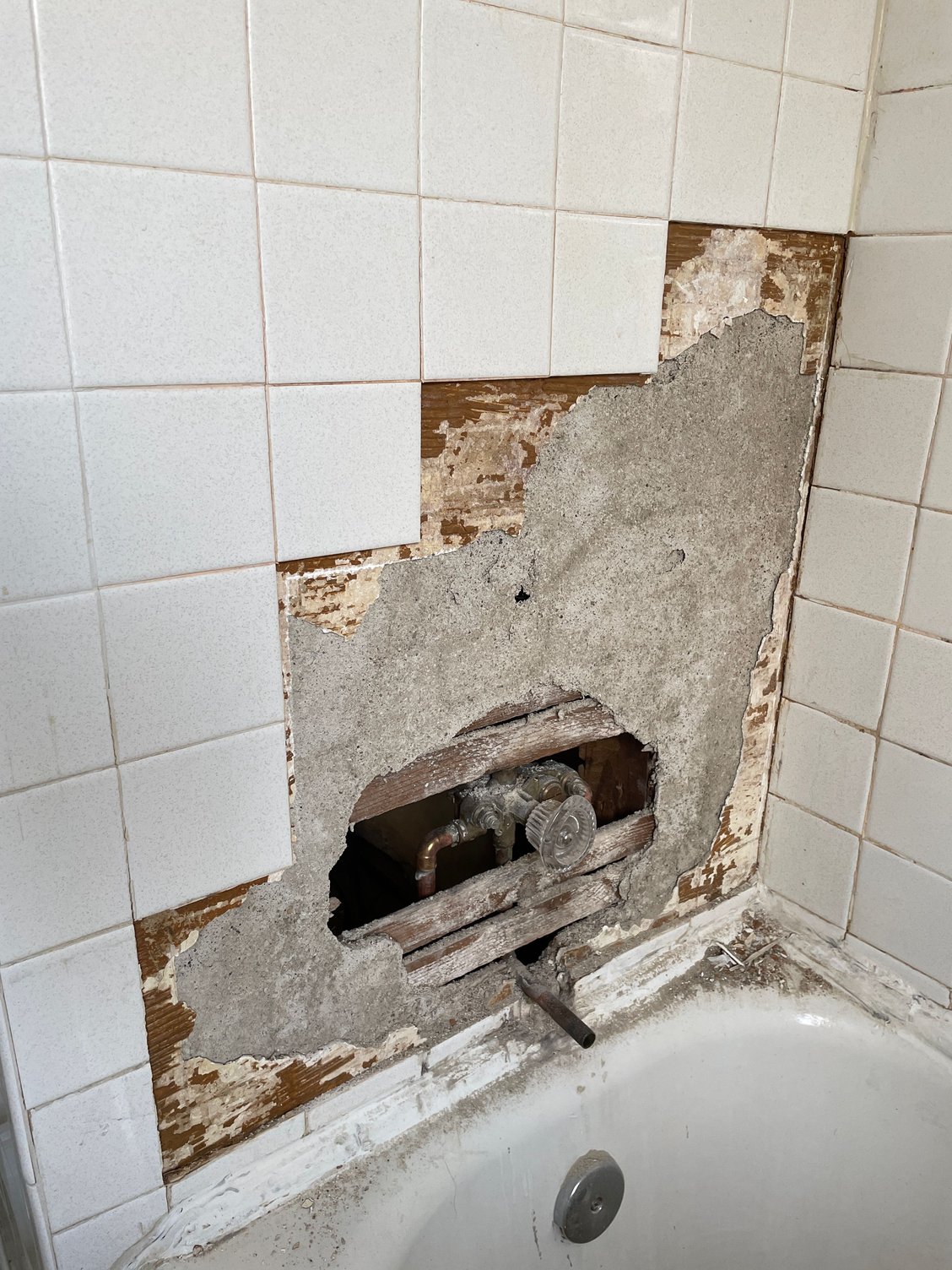
As top bathroom remodelers in Texas and beyond, we’ve worked with countless homeowners who are replacing old, outdated tile showers because of a particularly pesky problem: water damage.
Crumbling or unsealed grout, broken or missing tiles, and peeling sealant can all lead to water damage behind your shower walls. By the time you’re seeing signs of it, it’s probably a lot worse than you think.
Why it’s a problem: When water gets trapped behind your shower tile, it can cause a number of problems. For example, it can cause mold growth, which we’ll discuss below. It can also cause damage to your home’s structure. The more it goes on, the worse that damage will be, and the more expensive it becomes to fix.
Best steps to prevent tile shower water damage: Reseal your grout every six months in a high-use shower and every one to two years in a secondary shower. Replace individual tiles if they break and replace sealant if it starts to peel.
Mold Growth
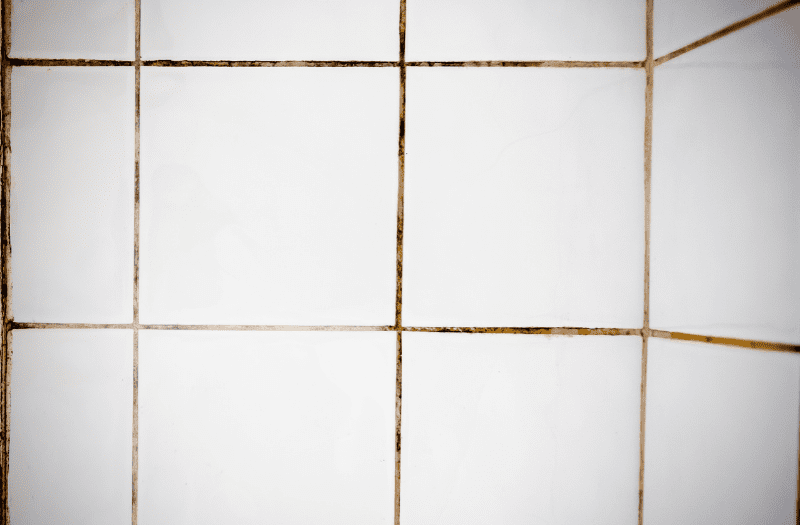
Where there’s constant humidity, there’s mold. Poor ventilation and pooling water can contribute to mold growth in a shower or tub, and grout makes for a very hospitable growing environment. In fact, once mold starts growing in your grout, it can be extremely difficult (though not impossible) to remove.
Why it’s a problem: Mold isn’t just unpleasant to look at or smell. It can also be hazardous to your health. This is especially true if you have mold allergies or existing respiratory problems.
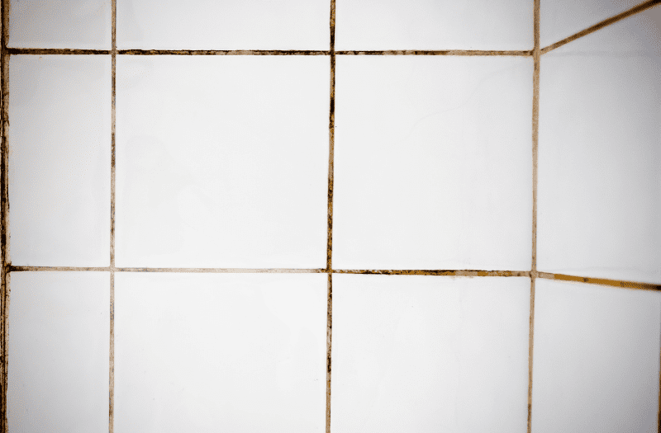
Best steps to prevent tile shower mold growth: If you want to prevent mold growth in any shower, the key is to get moisture and humidity under control. Take the steps mentioned above to prevent water damage and make sure your bathroom’s ventilation is clean and functional. If you notice pooling water, talk to a shower professional about leveling your shower base (once again, more on that below).
Poor Slope
If you have a walk-in shower (as opposed to a tub and shower combo), your tile shower floor (sometimes referred to as a shower base) should be mostly level with a mild slope from the outer edge to the drain.
Poor slope means that as water hits the shower floor, it doesn’t all make its way to the drain, causing puddles that have to evaporate to dry.
Why it’s a problem: Pooling water all but guarantees that your shower is going to have a higher humidity level, which in turn increases the chance of mold growth. Plus, poor drainage and a wet floor can make your tile shower floor slippery, which can lead to dangerous slip and fall accidents.
Best steps to prevent tile shower drainage problems: Shower floors should have a slope of about ¼ inch per foot. If you’re going for a DIY update (which we don’t necessarily recommend), set yourself up for more success with a pre-sloped shower pan. Otherwise, hire a professional who understands what it takes to install a shower with proper drainage.
Cracks and Loose Tiles
Over time, you’re bound to start noticing wear and tear in your tile shower. You may be able to repair individually cracked or loose tiles, but if you notice several, it’s probably time for a new tub or walk in shower.
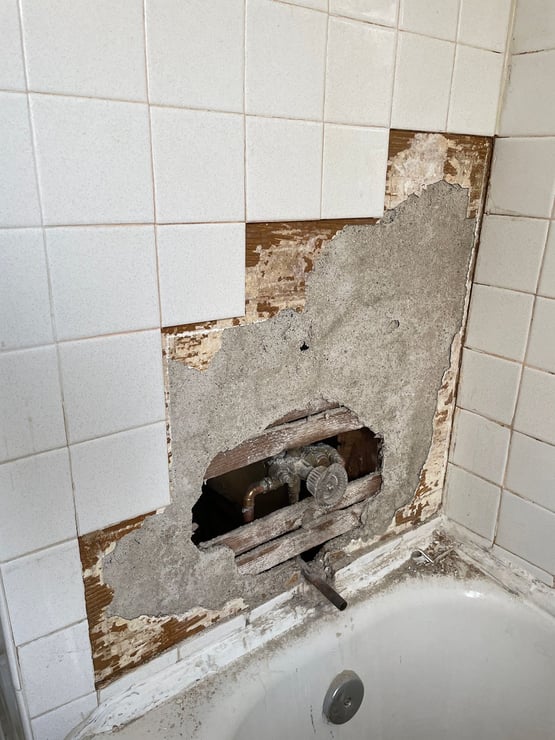
Why it’s a problem: Cracks and loose tiles create yet another entry point for water and mold, because properly installed tile is part of a tile shower’s waterproofing system. Plus, this kind of damage can cause grout to start deteriorating faster, which can create a ripple effect. If you neglect a handful of damaged tiles, you’re bound to notice worsening damage in as little as a few months.
Best way to prevent tile shower damage: Tiles typically crack when they’re hit with a blunt object, which is generally accidental. However, you can reduce the chances of this happening by using durable, quality tile. You can also prevent tile loosening by repairing your grout as needed.
What Shower Materials Prevent Common Problems?
So much of the lasting quality and safety of your shower comes down to proper installation. Hiring an experienced, well-reviewed bathroom remodeling company can go a long way toward making sure your new tub or shower is put in correctly the first time.
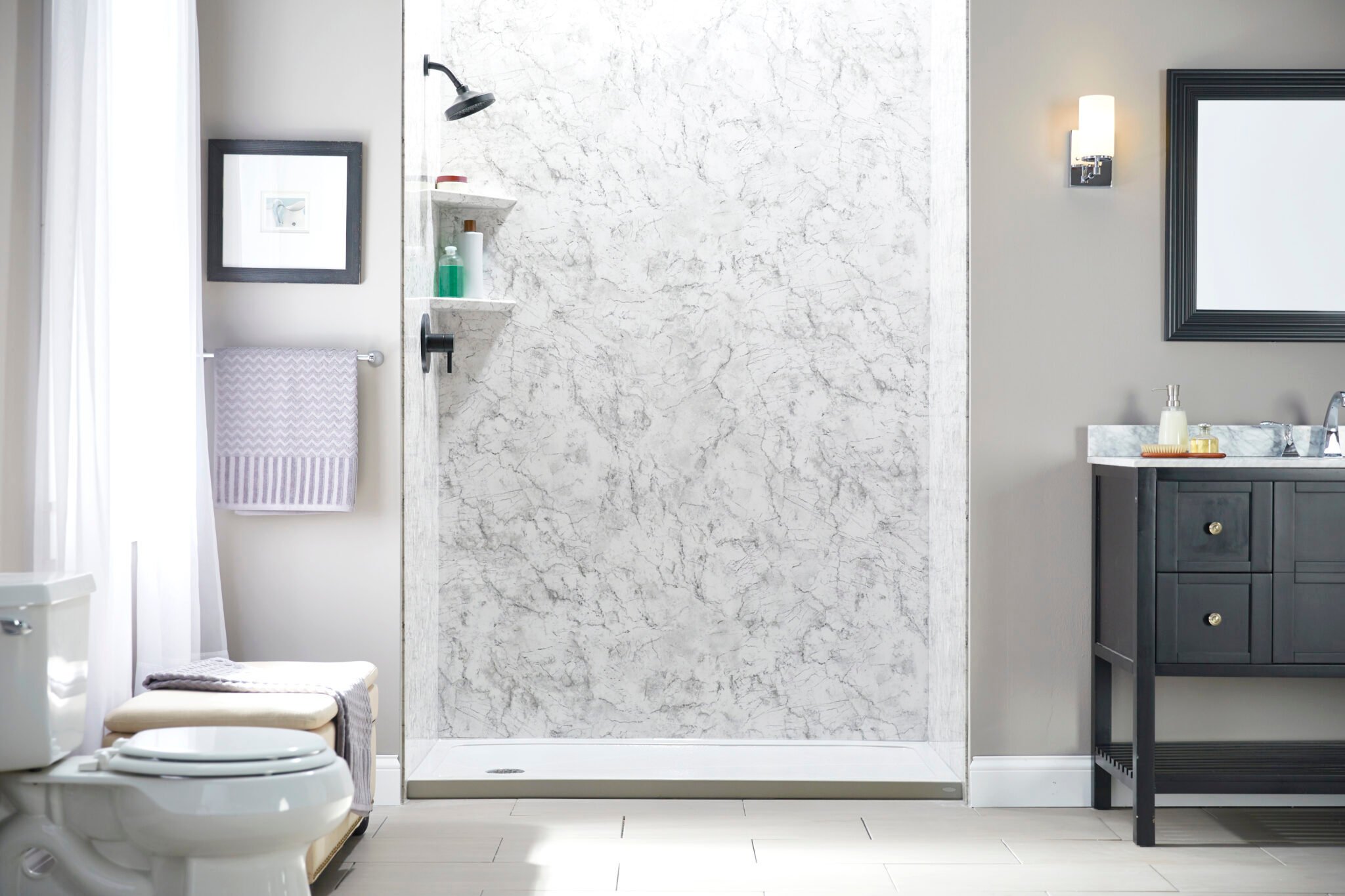
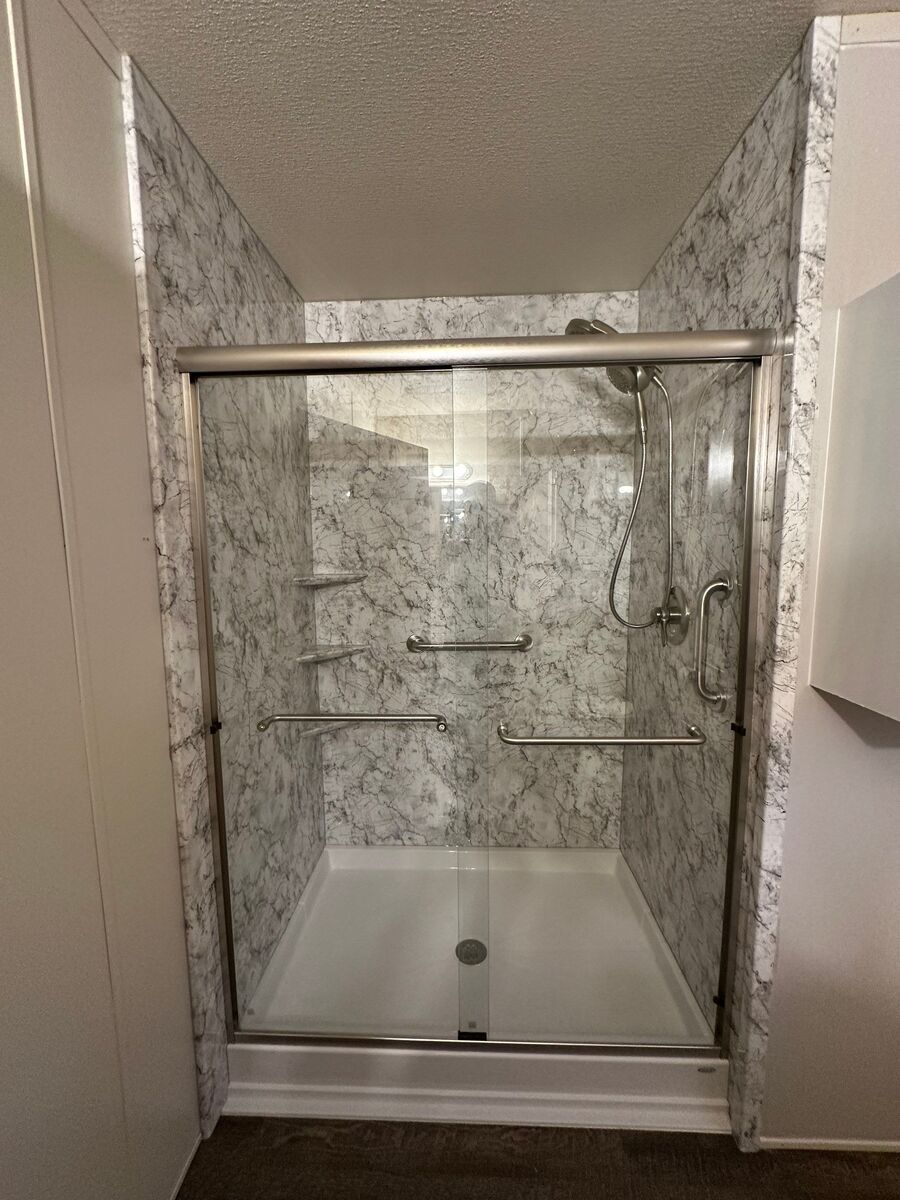
That said, tile and grout can be more problem-prone than some of the popular shower material alternatives. This is especially true when we look at acrylic shower walls and natural stone solid surface slabs.
Both of these alternatives eliminate the need for exposed grout lines, which can create a much more water-resistant and durable space. This immediately reduces your risk of water damage and mold growth.
As far as problems like damage and discoloration, natural stone is the winner, with an average lifespan of 20-30 years. Acrylic, on the other hand, offers a lifespan of 15-20 years at a more affordable price point.
The final verdict: If you want a low-maintenance shower on a luxury budget, go with natural stone. If you want a low-maintenance shower on a moderate budget, go with acrylic shower wall panels.
Learn More About Acrylic Shower Systems with ZINTEX
Tile and grout may produce a classic look that you love, but this combination of materials can come at a cost. Now you know what problems may arise with a tile shower and some of the alternatives that are easier to maintain. What’s next?
ZINTEX Remodeling Group specializes in acrylic walk in showers, tubs, and walk in tubs. If you think acrylic is the right material for you, we may be your perfect bathroom remodeling company. Take a look at this guide to find out if you should use acrylic in your tub or shower remodel.
Topics:


.jpg?width=5400&height=3038&name=JBR_Windstorm_Marble_Smooth_Multi-Function_Shower_Spa_System_Chrome_Lifestyle_Base_Alabaster_White_Grab_Bar_Chrome_Prairie_Corner_Shelf_Windstorm_Marble_Bench_Seat_Windstorm_Marble_Alabaster_White%20(1).jpg)

.jpg?width=2100&height=1400&name=JBR_Wall_CrystalFrost_DualBypassDoors_Tal_Lifestyle_01-2100x1400-c185e8dd-df15-4cf3-9c52-ab2371ab98b1%20(1).jpg)
.jpg?width=1600&height=900&name=JBR_DealerKit_Hero_CrystalFrost_1600x900%20(1).jpg)