Your mom or dad has expressed a desire to age in their home, rather than moving into a senior living community like a nursing or assisted living home. You want to respect their wishes, and you can see the benefit of aging in place, especially when it comes to cost and comfort. The problem is that you know that home hazards are a leading cause of falls in seniors, and senior falls can have serious ripple effects.
Fortunately, there are preventative steps you can take to make your parent’s home safer for aging in place. As a leading bathroom remodeler in Texas and beyond, ZINTEX Remodeling Group has completed thousands of accessible remodels. Today, we’re going to share some of the top senior health risks we find in the average household. Read on for our complete senior bathroom safety checklist.
Senior Health Hazards in the Tub or Shower
The tub or shower (sometimes referred to in the industry as the “wet area” because it requires significant waterproofing) can present one of the biggest slip and fall hazards to seniors. Examples of potential tub or shower accidents include:
- Tripping over the ledge of a tub while stepping in or out
- Slipping on the wet shower floor with nothing to hold on to
- Falling due to dizziness with nowhere to sit down safely
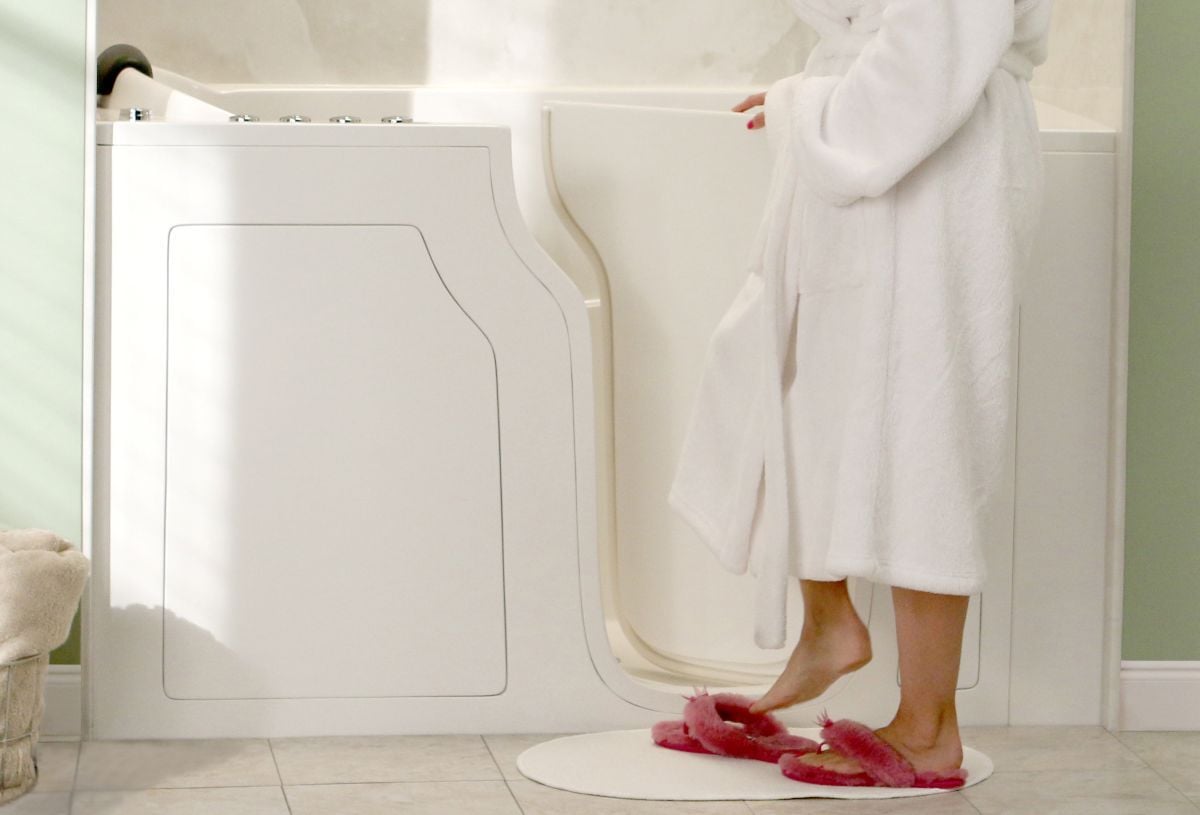
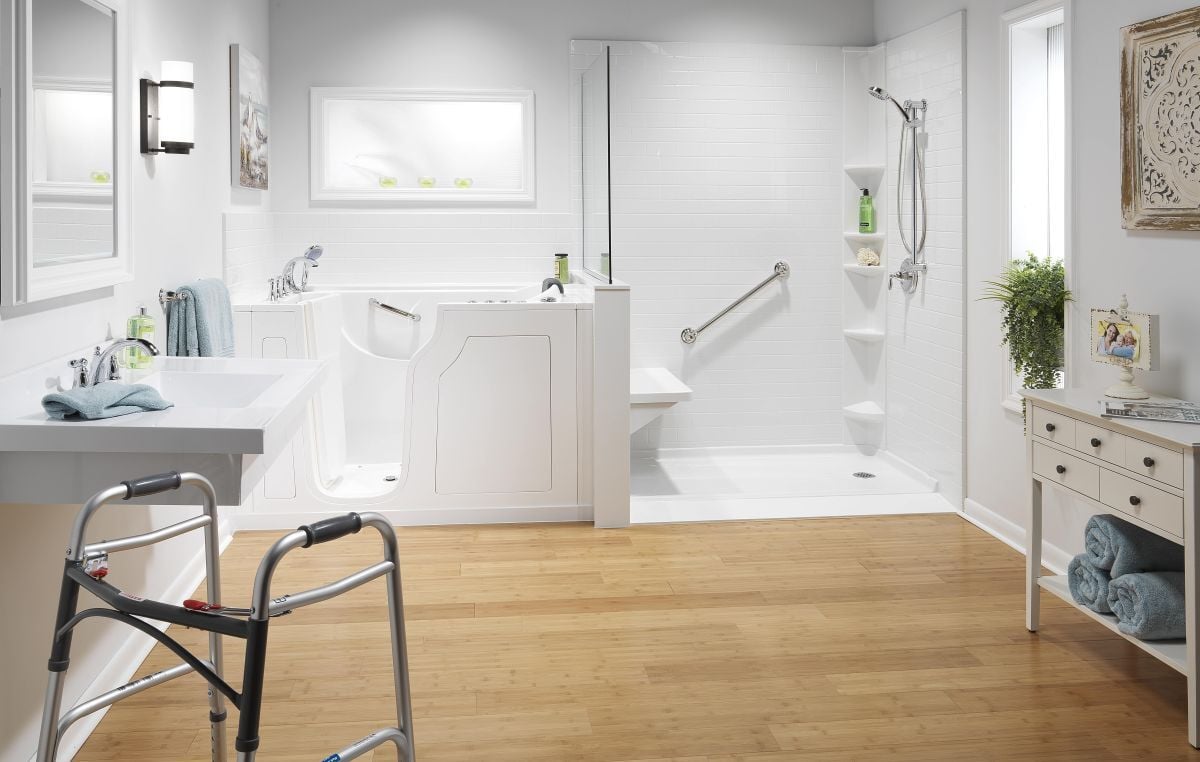
If your parent prefers to bathe in a soaking tub, it may be time to consider investing in a walk-in tub option. This eliminates several problems with traditional tubs, including the need to step over a high ledge to get in and out. Walk-in tubs also come with a built-in seat, which is easier to rise from than the traditional tub floor.
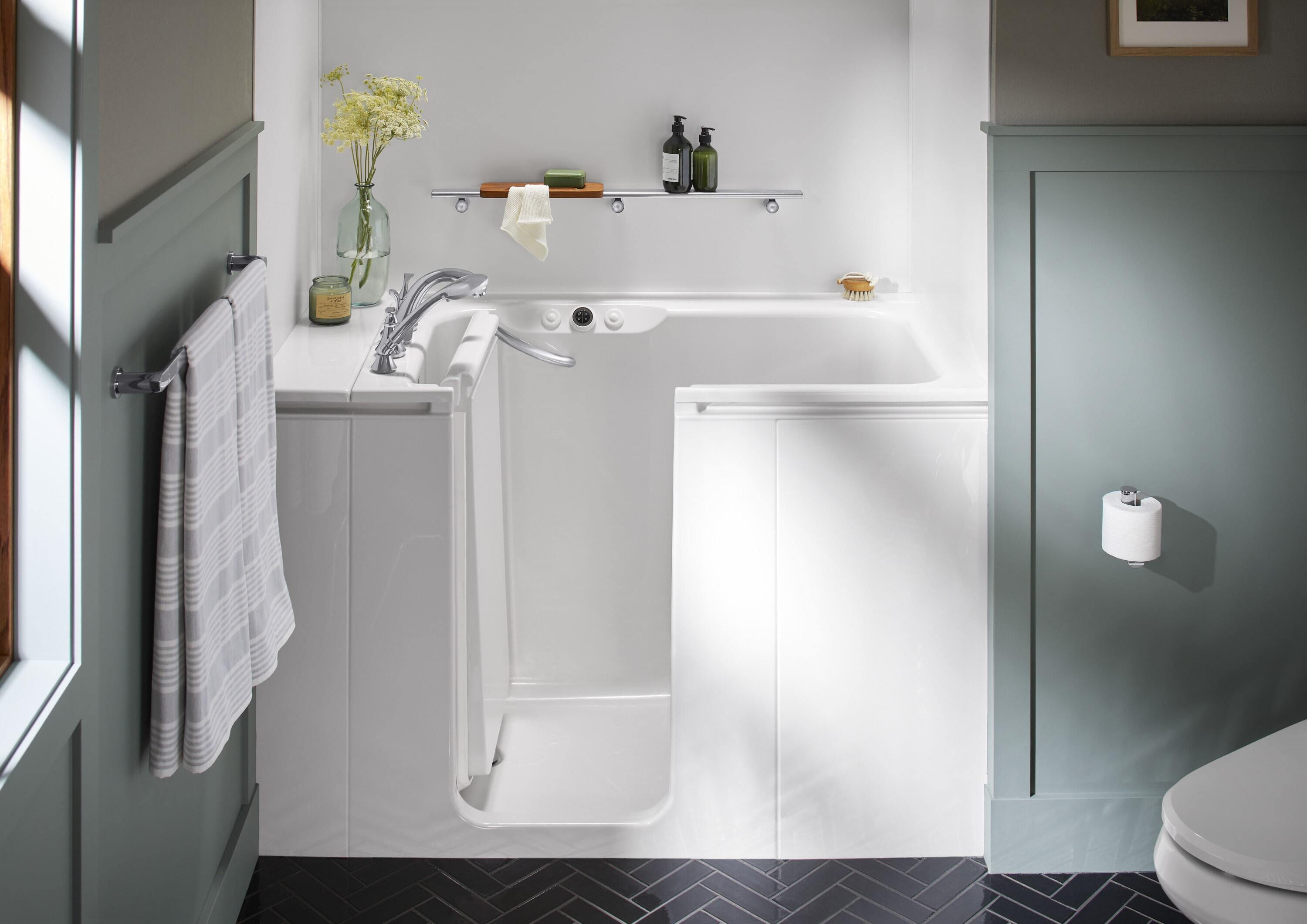
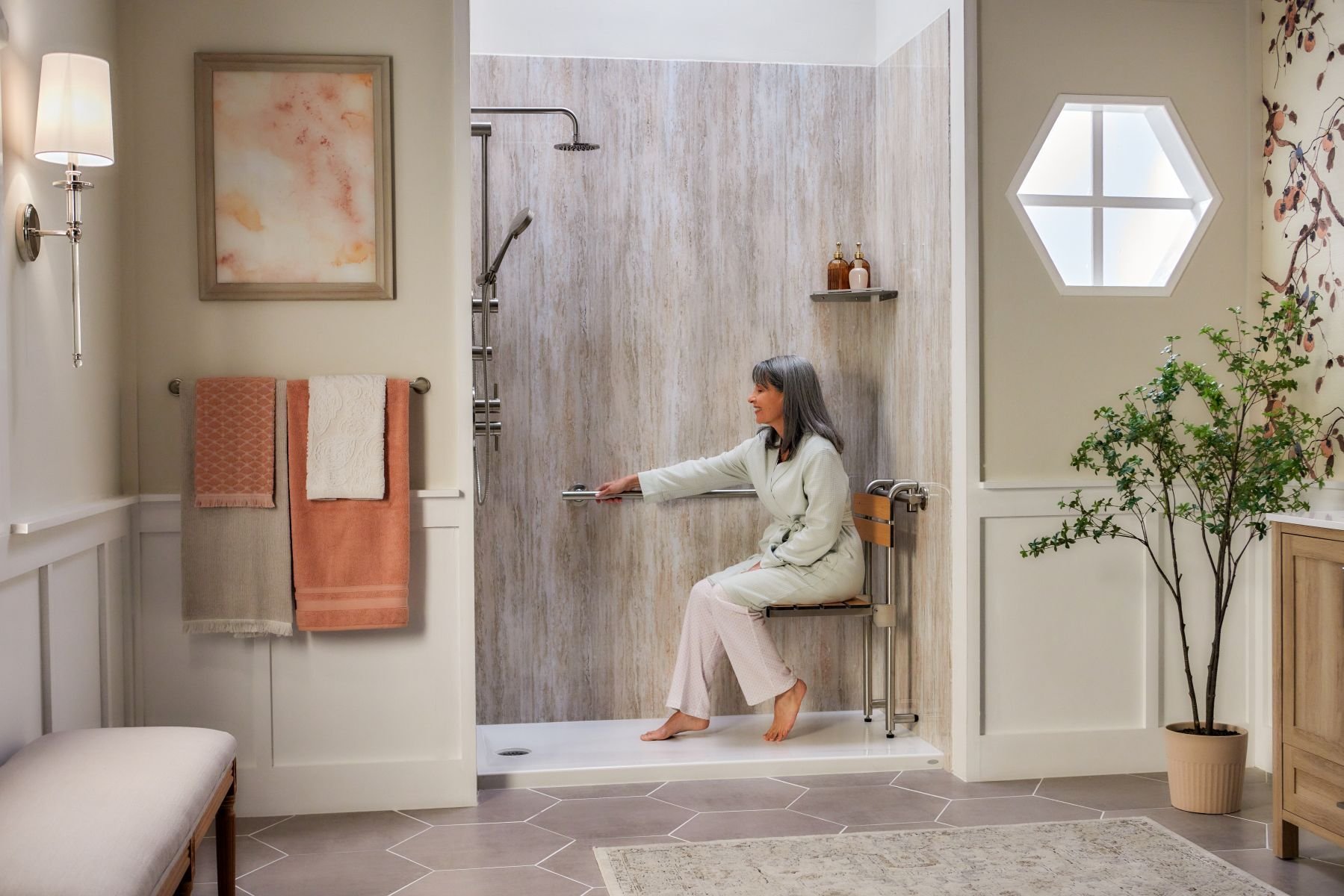
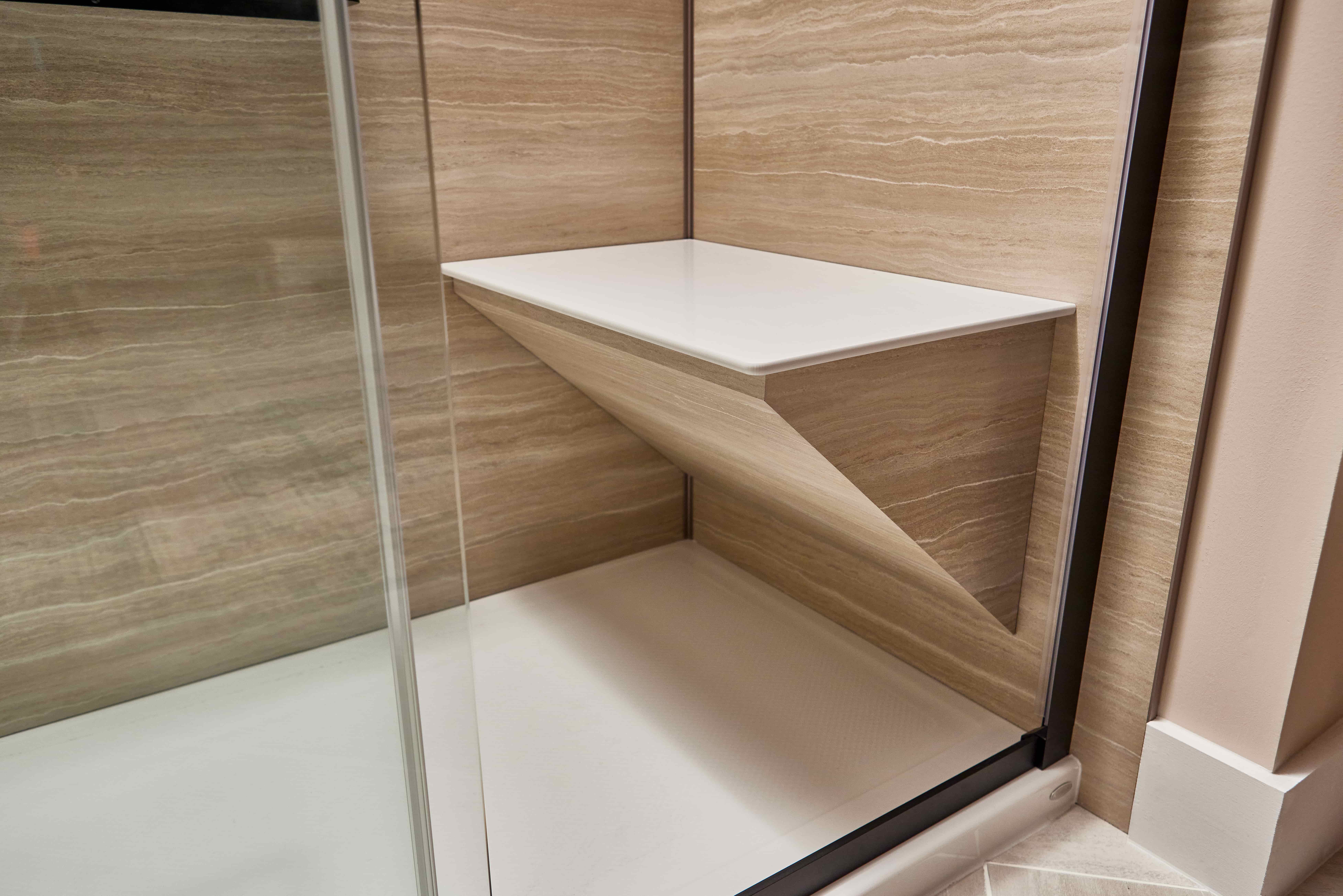
If they don’t mind forgoing the soaking option, walk-in showers also eliminate the need to step over that high ledge. Plus, you can outfit them with several accessibility features such as grab bars, built-in seating, and easy-to-reach corner shelves for safe independent showering.
Flooring Issues That Cause Trips and Slips
Certain types of bathroom flooring, like natural stone or large tile, can also present a slipping hazard. While your parent’s bathroom floor may seem to offer plenty of grip when you’re wearing shoes or your feet are dry, they may become slick beneath wet feet.
If this is the case, you’ll want to replace the existing floor materials with something like luxury vinyl plank, or LVP. This is a non-slip option that also provides a flat, even surface that is ideal for mobility aids of all kinds.
Can you just ask your parents to make sure they dry their feet off using a bathmat? While bathmats are a must outside of a tub or shower, choose your parent’s bathmat wisely.
No matter what, that bathmat needs to have a non-slip backing that actually works. Depending on your parent’s mobility, it may also need to have a low pile that is harder to trip over. TYUU is a brand that offers thin, non-slip bathmats mats at an affordable price.
Toilet Area Problems That Make Sitting and Rising Harder
Does your parent need assistance (or at least something to brace themselves on) when getting out of a chair? If rising from a chair isn’t easy for your parent, it’s time to turn your attention to the toilet area in their bathroom. They may find it very difficult to rise from the toilet independently if:
- The toilet is too low (standard toilet seats are 15-16” from the ground, whereas ADA toilets or comfort toilets have a seat that is 17” from the ground)
- There is nothing to safely brace with while standing up
- The toilet area is too cramped to keep mobility aids within reach
The most cost-effective solution to make a toilet area more accessible is typically to install a grab bar. Making layout changes to create more space around the toilet is the most expensive fix.
Layout Issues That Impede Mobility Aids
Perhaps the most complicated issue to address is layout. For a bathroom to be truly safe for independent use, it can’t impede your parent’s ability to use their mobility aid.
For example, the threshold to get into the bathroom needs to be low enough that your parent can, on their own, maneuver their cane, walker, or wheelchair past it with ease.
The same goes for the threshold to get into the shower. A low-threshold shower is enough to accommodate many mobility aids, but you may need a zero-threshold entry in a wheelchair accessible bathroom.
If you’re not sure how well your parent’s bathroom can currently accommodate their mobility aid, do a walk-through with them. Assess how easily they can do the following without having to leave their mobility aid behind:
- Enter the bathroom
- Approach the sink for toothbrushing, handwashing, and other grooming needs
- Approach the toilet
- Approach the tub or shower
- Get safely in and out of the tub or shower
For major layout changes, you may need to work with a home construction contractor. For smaller changes to things like the tub or shower, bathroom remodelers can often do the trick.
Start Planning Your Parent’s Accessible Bathroom Remodel
We understand that for the kids of senior parents, striking that balance between making them happy and keeping them safe isn’t always easy. We hope that this guide has been useful as you start looking at your parent’s house differently and seeing where accessibility upgrades are needed.
ZINTEX Remodeling Group has helped thousands of families like yours to create more safety at home, starting in the tub or shower area. Walk-in showers are by far the most popular choice with our customers of all ages. If you’re interested in learning more, take a look at our pricing guide to ZINTEX walk-in showers.
FAQs About Accessible Bathroom Remodels
Do accessible bathroom remodels cost more?
The cost difference between an accessible tub or shower and a standard tub or shower is no different than the cost difference between a customized tub or shower vs. a basic tub or shower. In other words, you can expect to pay more for the accessories we need to make your parent’s bathroom safe, like grab bars.
However, there are ways to balance that increase. For example, you can choose standard shower wall colors and a shower curtain rod, rather than premium wall colors and a glass enclosure.
Can I make a small bathroom more accessible?
A small bathroom can seem really prohibitive when you’re looking to make the space accessible and senior-friendly. However, there are a few ways that you can maximize the space to create a small accessible bathroom, such as:
- Replacing a double vanity with a single vanity
- Replacing a tub-and-shower combo with a low-threshold walk-in shower
- Removing bulky, excessive storage like extra hanging shelves or cabinets
What is the most important feature of an accessible bathroom?
If you can only afford to make one targeted upgrade right now, what should it be? Tackling that tub and shower area is the most important part of an accessible bathroom. At the very least, make sure you’ve installed a grab bar on the entry wall.
While we don’t recommend doing this on your own, we understand that you may not have a choice. Make sure to test that grab bar by bearing down on it and pulling on it before telling your parent to use it. It should not budge at all.
Topics: