By Molly Ryan

Freestanding Tubs: Luxury or Hassle? Experts Weigh In 

When you picture a luxurious bathroom, what do you see? If you’re imagining a spacious layout with an oversized walk-in shower and a freestanding tub, you’re not alone. It’s hard not to associate the classic freestanding tub with the height of luxury, but the reality is that these tubs can be more of a hassle than you’d think.

At ZINTEX Remodeling Group, we complete thousands of bathroom upgrades every year, and freestanding bathtub installations make up less than 1% of our projects. Today, we’re providing our expert take on the pros and cons of freestanding tubs so you can make an informed decision about this bathing classic.

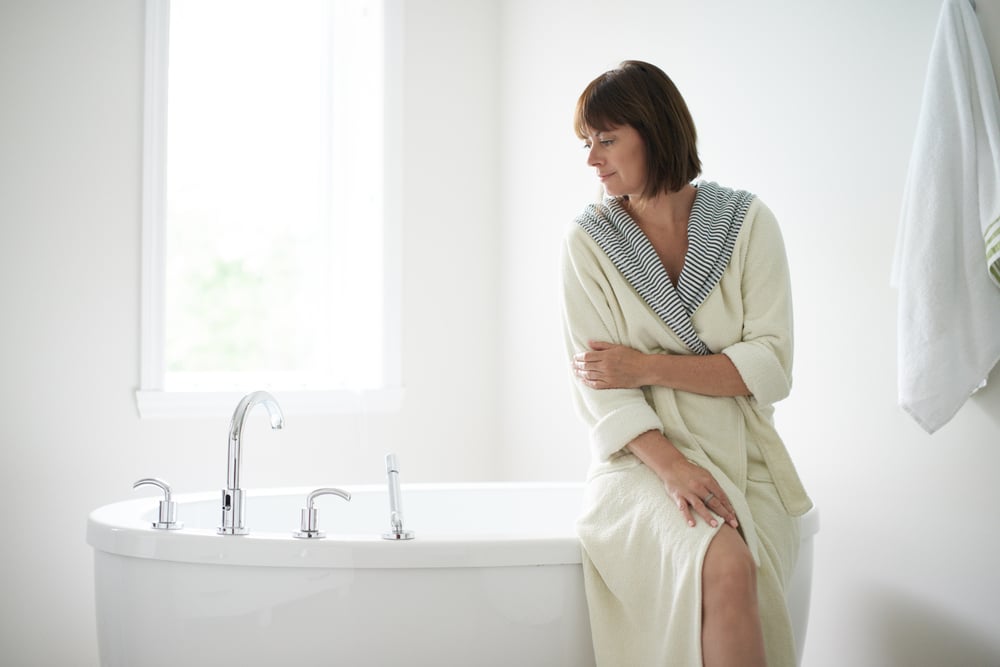
Serene mature woman sitting by a bathtub
Interested in Learning More?

Schedule a Consultation!

Our goal is to understand your vision and develop a plan to make your project a reality.

After you complete our form, one of our Call Center Representatives will reach out within 24 hours to schedule a day and time for your consultation with our experienced Design Consultants.

Why Freestanding Tubs Used to Be Popular

Why do we associate freestanding tubs with luxury? As a starting place, a bathtub used to be the only indoor bathing option available. Standing showers didn’t become a standard feature in American homes until the 1950s (although some homes did have a standing shower as early as the 1920s). Many homes that were then retrofitted with a shower had either a separate walk-in shower or a shower in the originally freestanding (and probably clawfoot) tub.

Then, we saw a resurgence of the freestanding tub in the new construction of the early 21st century. These early-2000s new-build homes had bigger primary bathrooms than ever before, and jetted whirlpool bathtubs were used to create an expensive, spa-like feel.

Now, residential architecture trends have moved away from that spacious “McMansion” style towards efficiency, function, and quiet comfort. Does a freestanding tub still play a role in this type of design? It can, but it’s not nearly as popular as it once was.

The Luxurious Benefits of a Freestanding Tub

Standalone tubs may not be as popular as they used to be, but that doesn’t mean there aren’t still benefits homeowners can enjoy. Here are some of the biggest gimmick-free luxuries of a freestanding tub.

Larger Tub Dimensions

Standard skirted bathtubs used in tub-shower combos have a depth of between 14” and 19”. You can get upgraded soaking tubs with a depth of up to 22”, but you’ll see the biggest tub dimensions when looking at freestanding models.

For example, Jacuzzi offers a variety of freestanding tubs with a 24” height, as well as a freestanding model that has a 28” high back rest. Not only can these tubs be filled with more water, but they also provide better support for a more comfortable resting position.

Potential Tub Upgrades Like Jets

Freestanding tub models may also come with possible upgrades designed to maximize hydrotherapy benefits. This can include jets, whirlpool functions, and even chromatherapy or aromatherapy features. If you are a frequent bath-taker or use bathing as a key part of your physical health support, these upgrades can make a freestanding bath well worth the investment.

That said, freestanding baths are no longer the only option if you’re looking for something like jets. For example, Jacuzzi offers a skirted bathtub that can be used in a tub-shower design that is also a jetted bathtub. For many homeowners, this may be the more practical solution.

Relaxation-Focused Configurations

A tub-shower combo has to serve multiple functions, typically with a focus on daily showering. That means that built-in shelves may be out of reach to bathers, the waterproofing system needs to be higher (often floor-to-ceiling), and the bottom of the tub may even have a non-slip finish.

A freestanding tub serves one purpose, and every design choice can be catered to your ideal bath. For example, you can leave candles or a tub tray sitting on the ledge, ready for your next soak. You can install the tub anywhere, including beneath a window, without having to worry about waterproofing the surrounding walls. Rather than sharing storage space with all your daily-use toiletries like shampoo and conditioner, you can prioritize your favorite bubble baths, epsom salts, and essential oils. Ultimately, you get to devote the entire space to relaxation, and that is quite luxurious.

What Makes Freestanding Tubs a Bit of a Hassle

As a company that doesn’t upsell, we’re not going to try to convince you to invest in standalone bathtubs and walk-in showers. That means that we’re not afraid to tell the truth, which is that freestanding bathtubs can be a hassle. Here are the biggest issues homeowners might face if they opt to install a tub that is separate from their shower.

Freestanding Tubs Can Be Difficult to Clean

If ease of maintenance is your top priority, you probably won’t enjoy the experience of cleaning a freestanding tub. As a starting place, they do tend to be deeper and more cumbersome than your standard skirted bathtub. When trying to clean the interior of the tub, you’ll find that you have to bend at a more awkward angle to reach the bottom.

Plus, you’ve got a whole separate shower to clean. Fortunately, acrylic showers are known for their ease of maintenance thanks to the non-porous, seam-free wall system. Still, double the bathroom appliances means double the cleaning. (Plus, that standalone tub is more likely to accumulate dust between uses than your daily-use shower.)

Freestanding Tubs Take Up a Lot of Room

As we mentioned earlier, freestanding tubs saw a resurgence in popularity in the early 2000s because those new-build primary bathrooms were so spacious. The average bathroom simply isn’t that big, even when we’re talking about primary bathrooms. According to Angi, the primary bathroom in a traditional home is only 50-100 square feet.

Consider that 62% of the walk-in showers we install have a base size of 60” x 30”-34”. That’s already taking up half of an entire wall in a 100-square-foot bathroom. You’ll also need another 24-72” of wall space for your vanity, another 15-19” of wall space for your toilet, and ideally have space left over for things like storage and towel bars. Plus, you need enough space to move around. For most of us, a freestanding tub simply isn’t practical due to space constraints.

Freestanding Tubs Require Their Own Plumbing

What if you want to add a freestanding bathtub to a bathroom that doesn’t already have one? Given that you probably aren’t looking to give up your shower to gain a standalone bathtub, the biggest consideration besides space is plumbing.

Adding plumbing lines and adding a drain can be more work (and money) than most homeowners initially expect. For example, your installer will likely need to open up quite a bit of your bathroom floor in order to extend the existing plumbing to reach your new bathtub. In some cases, this can increase your remodel cost by upwards of $10,000 and your remodel timeline by at least one full day of labor.

No Matter Your Bathtub Remodeling Goals, ZINTEX Can Help

There are certainly valid reasons to associate a freestanding bathtub with luxury and relaxation, but that isn’t your only option. No matter what you’re looking to gain from upgrading your tub and shower area, ZINTEX is here to help.

With over 20,000 tub and shower remodels completed, we’re a leader in the acrylic bathroom remodeling industry across the south and midwest. Learn more about our bathtub replacement services to decide if we’re the right company for your next project.

Ready to Upgrade Your Bathroom?

Your Bathroom Oasis Awaits

Let's make your dream bathroom a reality!  Contact us today to schedule your no-obligation FREE in-home consultation.