You’ve had a shower remodel on the backburner for a couple of years now. The wear and tear on your shower walls isn’t exactly attractive, but it doesn’t seem to be getting worse too quickly. What’s the harm in leaving your bathroom as is for a little longer?
At ZINTEX Remodeling Group, our design consultants facilitate 100+ tub and shower remodels every year. They know just how bad shower damage can become, especially when it’s hidden out of sight.
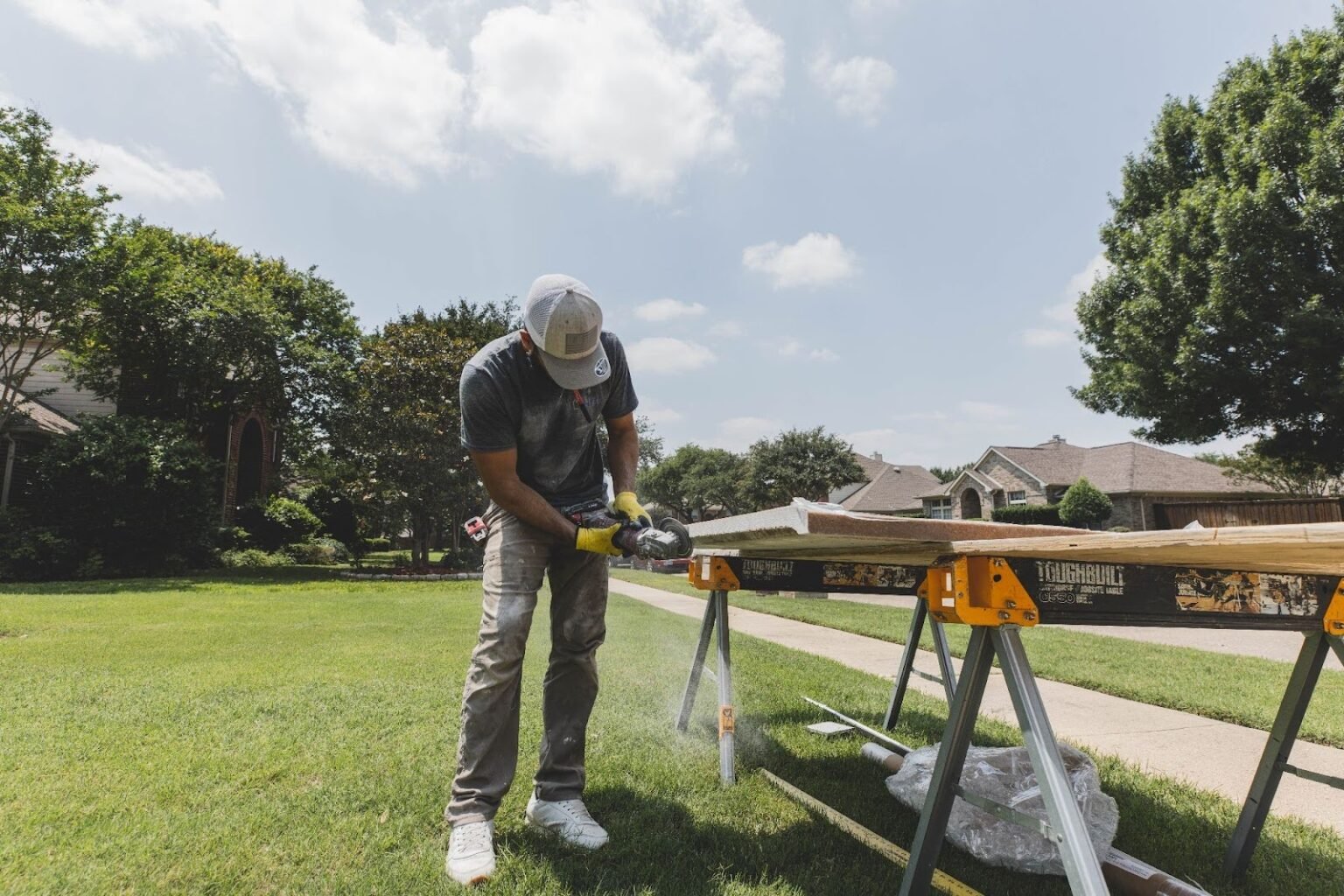
With the help of one of Oklahoma City design consultant Logan, we’re uncovering the hidden problems in real bathrooms just like yours. Read on as we share the truth about the type of damage you’re likely to find behind your shower walls.
Water Damage and Rot
Water damage is by far the most common problem we’re going to find during the demolition of existing tub and shower materials. According to Logan,
“Probably 60-80% of our jobs have some level of water damage back there… [In] 40-50%, we’re replacing at least one stud.”
Our installation data backs up what Logan sees in the field. About 70% of ZINTEX shower replacements uncover some degree of hidden moisture damage after the old wet area is removed.
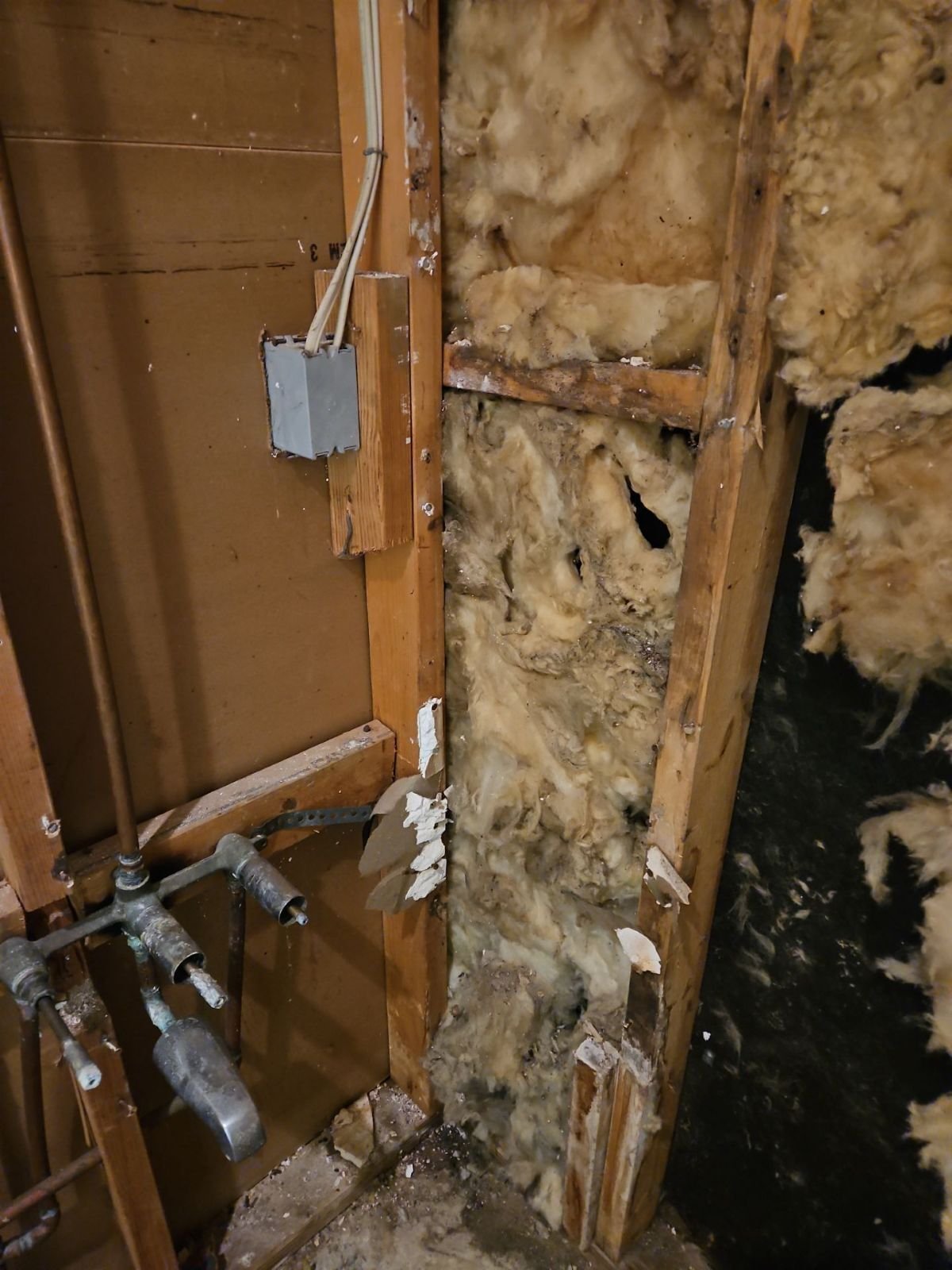
What does it mean to have to replace a stud? Logan explains that all homes have organic materials like sheetrock or wood behind the waterproofing system of their tub or shower. As that waterproofing system fails, water seeps into those organic materials and they become corroded and hollowed out.
The result is almost like termite damage. After fully saturating one portion of that organic material, the water will travel to the next portion. In other words, the longer you wait to get back there, the further that damage will spread.
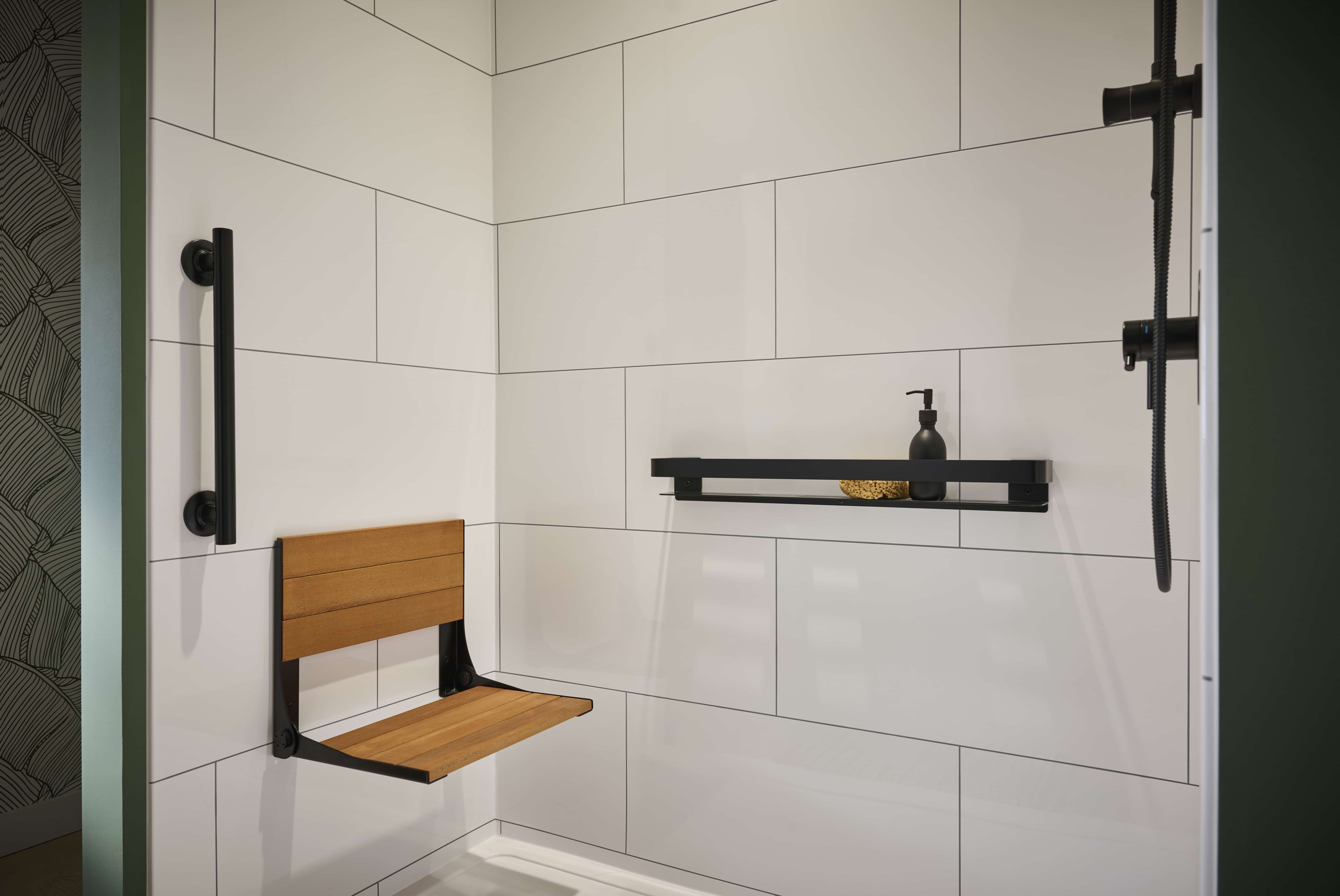
💡Bonus tip: This is why we never recommend retrofitting an existing tub with accessories like grab bars or bench seating. You can’t safely install weight-bearing features safely into a hollow stud.
Waterproofing Failures and Mold Growth
Rot isn’t the only problem you’ll face in a tub or shower with water damage. Bathrooms are already an ideal breeding ground for mold due to the frequent use of warm water.
If that water finds its way into the dark spaces behind your shower wall, mold is going to grow rapidly and with ease.
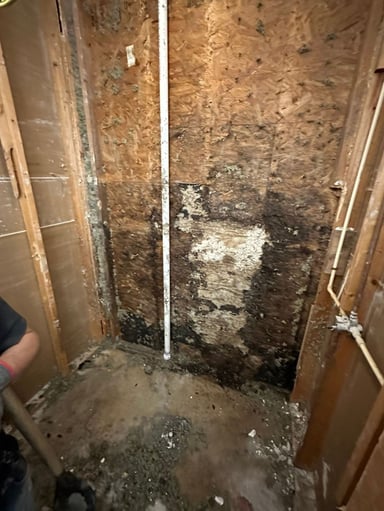
This process tends to happen fastest in showers with a tile and grout wall system. After as little as three years, you may start to see mold growth in the grout lines. According to Logan,
“Unfortunately, by the time [mold is] already in the grout lines, it’s set in. There’s not much you can do beyond just, scrub the heck out of it with bleach and do that again every two weeks until the end of time.”
The only way to solve your mold problem for good is to not only remove the existing mold, but improve the conditions that caused it in the first place. That means eliminating the source of moisture behind your shower walls with a new waterproof shower wall system.
Air Pockets and Steam Accumulation
When you think of water damage, you probably imagine water entering through cracks or porous materials in your shower walls. What you might not realize is that air pockets behind your shower walls can also accumulate steam each time you run hot water in your shower.
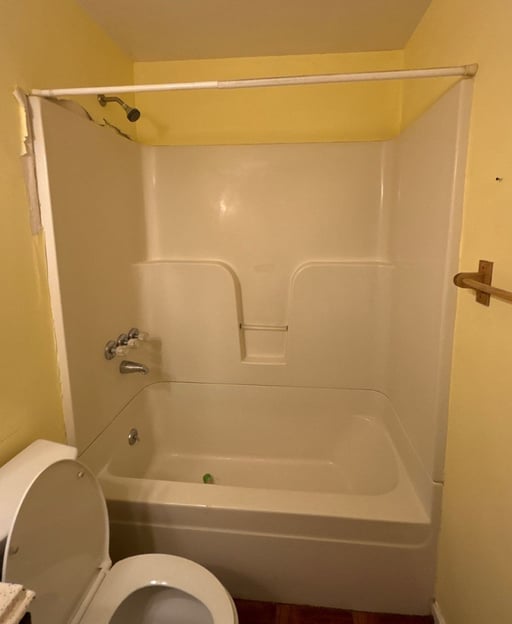
This is an issue our team sees with poorly installed solid surface walls, including poorly installed acrylic shower panels. According to Logan, inexperienced installers often use what he calls the dot method to adhere the walls:
“Dot, dot, dot, stick, call it good. [But then] you have air back there, then steam gets back there. 700-1000 showers in you’ll see delaminating, warping, bending, and bowing.”
700 to 1000 showers may sound like a lot, but in a bathroom used daily by two or more people, you could be looking at this type of damage in as little as one year. If this sounds familiar, make sure to hire a shower remodeling company known for its reliable installers when you’re ready to make the upgrade.
New Builds and Cheap Materials
If you haven’t updated the shower in a pre-60s property, you’re probably in better shape than you’d expect. Old school mud lathing techniques combined cement and lime to create a quick-drying, self-repairing waterproof system.
Since then, builders have opted for cheaper, faster shower installation methods that simply aren’t built to last.
Post-2004 fiberglass is one of materials that tend to give homeowners trouble. Despite being paper thin, modern fiberglass doesn’t offer any real flexibility. As a result, it cracks easily, exposing the corrugated backerboard behind it to water damage.
What about acrylic? At ZINTEX, we use high-quality acrylic shower panels from manufacturers like Jacuzzi. According to Logan,
“We’re starting to see knock-offs [from other companies and manufacturers]. They’re pumped full of chemicals, they’re a lot cheaper made, they don’t have any warranties that they should.”
What does that mean for new-build homeowners? It means that you may want to prepare for a tub or shower upgrade sooner rather than later, despite your home being new.
Get Dependable Shower Installation from ZINTEX Remodeling Group
If you’ve known for a few years that your tub or shower needs remodeling, consider this your sign to start vetting bathroom remodeling companies. Even if the outside of your shower area doesn’t seem to be getting substantially worse for wear, you could be facing growing problems behind those shower walls.
Could ZINTEX be the right company for the job? After 25 years in business, we have the products and installation experience needed to design the shower you love that’s built to last. Find out how much ZINTEX walk-in showers cost.
Topics: